






January carried forward many of the dominant themes that shaped markets through 2025, with policy uncertainty and political risk once again driving volatility. The month began with a strong risk-on tone, as resilient US data and easing financial conditions pushed global equities higher. Comments from President Trump threatening tariffs, tied to escalating tensions over Greenland, revived fears of a broader trade conflict and prompted a sharp pullback in risk assets.
Volatility spiked as investors rotated into safe havens, while concerns around institutional stability grew following reports of Department of Justice scrutiny involving Federal Reserve Chair Jerome Powell.
Markets ultimately stabilised as tariff rhetoric softened and immediate escalation was avoided. However, the episode reinforced a cautious undertone beneath the surface.
January closed with risk assets resilient, but positioning increasingly shaped by protection and flexibility rather than outright conviction.
Forex
Foreign exchange markets reflected the shifting risk backdrop throughout January, with the US dollar remaining central to global positioning. Early in the month, the USD softened modestly as equity markets rallied and risk appetite improved.
That tone reversed as trade tensions resurfaced and political headlines intensified. Renewed tariff threats between the US and EU, combined with scrutiny surrounding Federal Reserve leadership, injected volatility into currency markets. These developments reinforced the USD’s role as both a political risk barometer and a defensive allocation during periods of uncertainty.
AUDUSD stood out over the month. The pair initially traded within a range, supported by stronger equity sentiment and stable commodity prices. Mid-month uncertainty briefly pressured the pair, but it finished January on a stronger footing as tariff rhetoric eased and overall risk sentiment improved.
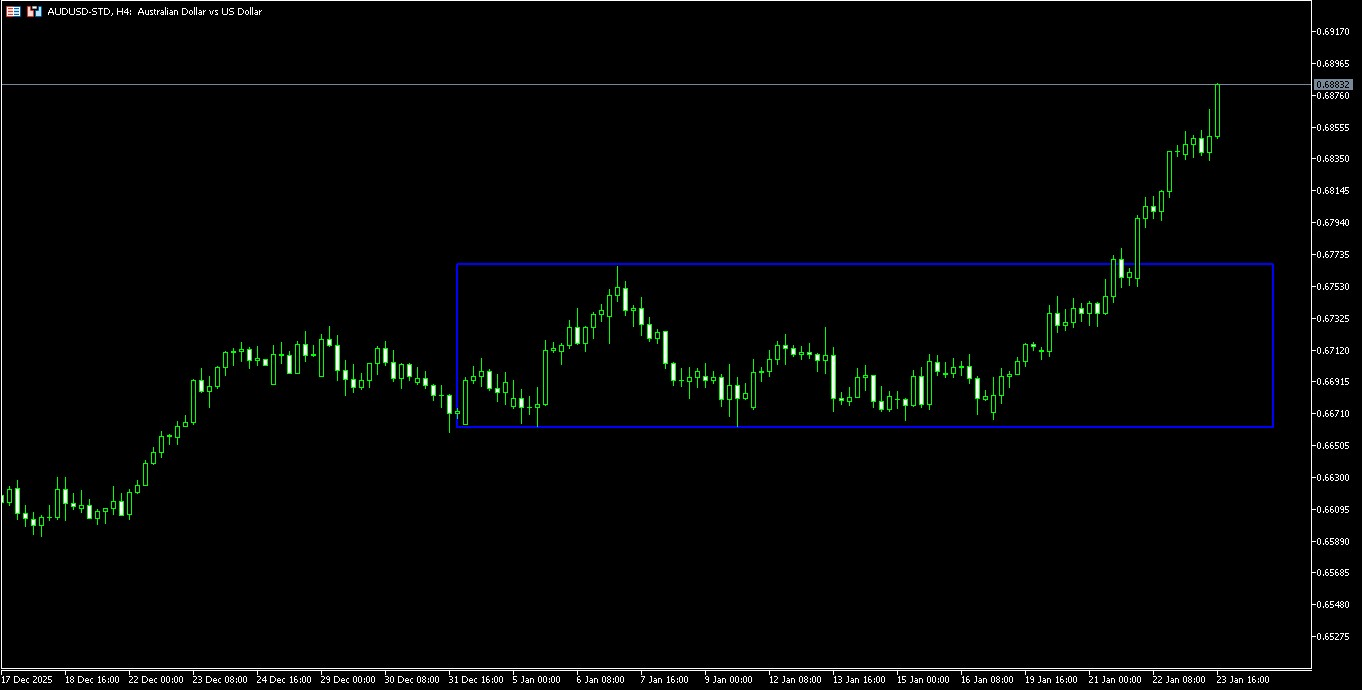
Fig. 1: 4-hour AUDUSD chart showing its strong finish to the month
Gold and Silver
Precious metals extended their late-2025 momentum, with both gold and silver pushing to fresh record highs in January. Gold rallied above $4,960 per ounce, while silver climbed above $100 per ounce for the first time.
Political instability remained the primary driver. Renewed trade tensions, concerns over institutional independence in the US, and broader geopolitical uncertainty all supported demand for defensive assets. Falling real yields further reduced the opportunity cost of holding non-yielding assets.
Central bank buying continued to underpin gold demand, particularly from emerging markets seeking to diversify reserves away from the US dollar. Silver benefited not only from its safe-haven appeal alongside gold, but also from ongoing optimism around industrial demand tied to electrification and energy transition themes.
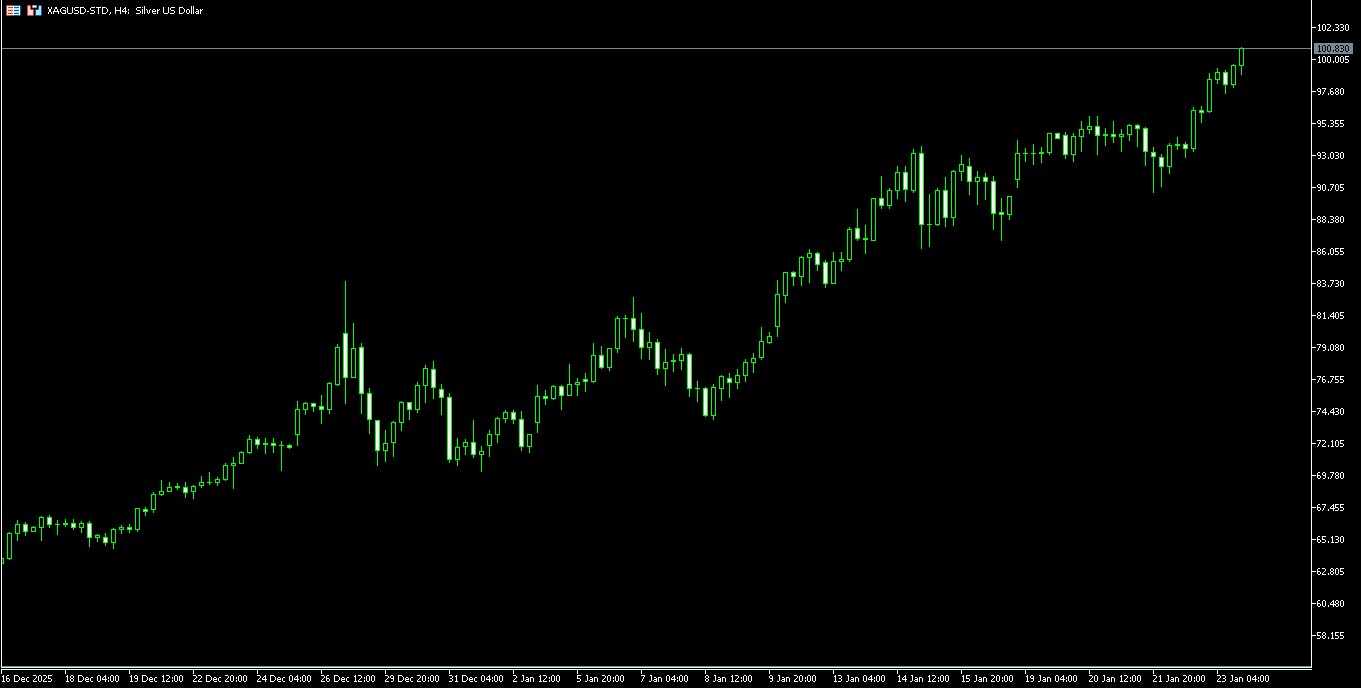
Fig. 2: 4-hour silver chart showing its rise above $100 per ounce
Oil
Crude oil experienced elevated volatility throughout January as geopolitical risk, supply-side uncertainty, and shifting policy expectations drove sharp price swings.
Prices moved higher early in the month, supported by the broader risk-on tone across markets and expectations that OPEC+ would maintain a disciplined approach to supply.
Geopolitics became increasingly influential as tensions between Venezuela and the United States revived concerns over sanctions enforcement and potential disruptions to Venezuelan exports.
Protests in Iran added to supply-side anxiety, raising fears of instability across another key producing region.
OPEC+ reiterated its commitment to supply discipline and signalled a willingness to adjust output if required, helping to limit downside pressure.
January once again highlighted oil’s sensitivity to geopolitical shocks, even as supply management prevented a deeper correction.
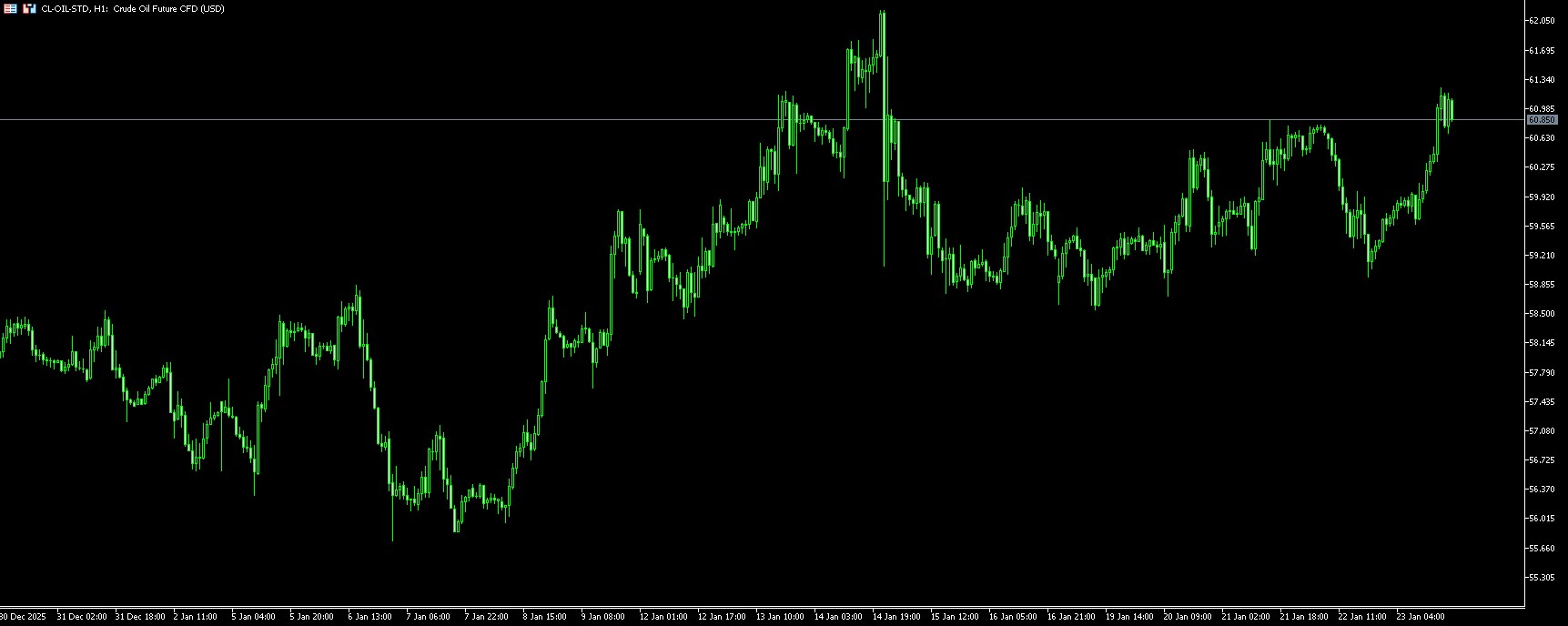
Fig. 3: 1-hour oil chart showing its volatile but slightly positive start to 2026
Indices
Global equity indices endured a volatile month but once again demonstrated resilience. New all-time highs were recorded early in January before trade tensions triggered a sharp mid-month sell-off.
Markets recovered after tariff threats were dialled back.
The shift in sentiment was driven by escalating US-EU tensions over Greenland. US equities sold off as investors reassessed global growth risks, while European markets were hit harder.
The DAX underperformed, reflecting Germany’s heavy exposure to global trade and industrial demand, with broader European indices also weakening.
As President Trump stepped back from immediate tariff escalation, risk sentiment improved and equity markets stabilised. US indices recovered much of their losses, while European markets also regained footing.
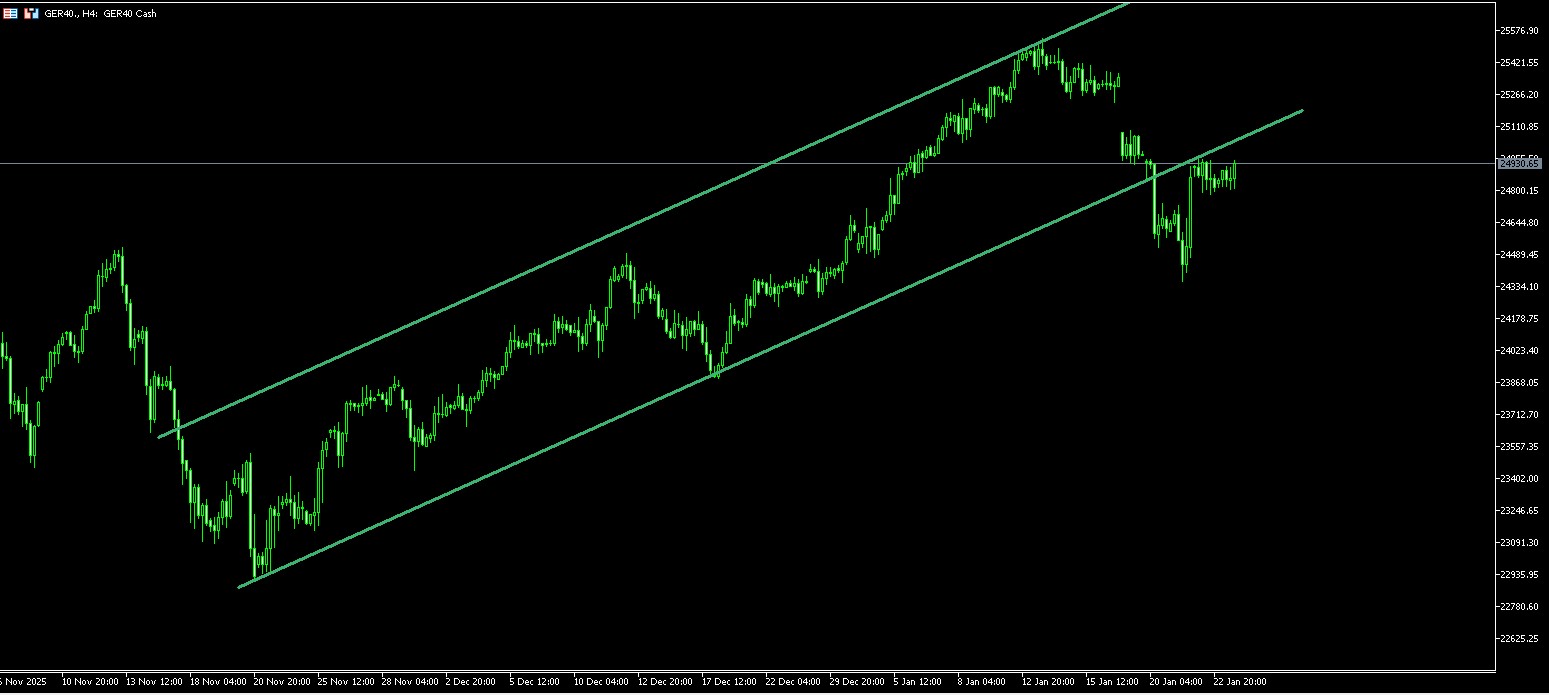
Fig. 4: 4-hour DAX chart showing the break below the upward channel during US-EU trade tensions before stabilisation
Crypto
Bitcoin began January supported by improving risk sentiment and optimism around increased institutional participation, driven by hopes of progress on US crypto legislation.
That optimism faded as regulatory momentum stalled. Delays surrounding the Clarity Act reinforced the view that a clear US regulatory framework for digital assets was not imminent.
This triggered profit-taking across the crypto complex, with Bitcoin selling off and altcoins underperforming as risk appetite weakened.
Renewed trade tensions and volatility in traditional markets prompted investors to reduce exposure to higher-risk assets. Bitcoin’s correlation with broader risk assets reasserted itself, challenging its safe-haven narrative during periods of market stress.
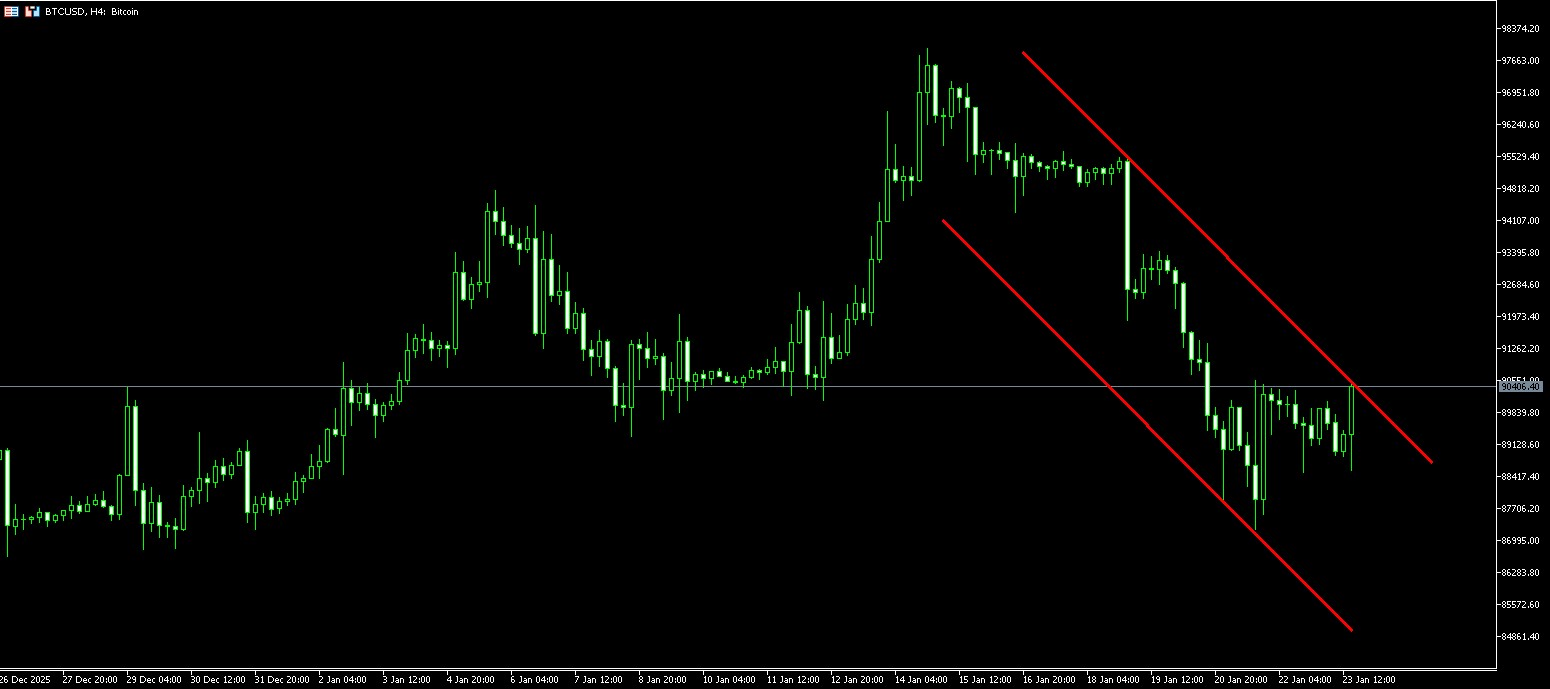
Fig. 5: 4-hour Bitcoin chart showing weaker performance in the second half of the month
Heading into February
Having seen some weakness in January, the USD is fluctuating. Growth differentials and rate expectations could see higher volatility in Forex, particularly if US data diverges from Europe or Asia. A weaker USD would support risk assets and commodities, while renewed strength could tighten global financial conditions.
Labour market data will be crucial; any softening in hiring, participation, or wage growth could reinforce expectations that policy easing is working without affecting growth. However, if there are signs of tightness, then the inflation outlook and rate expectations would have to be reevaluated.
Gold is likely to stay sensitive to real yields and geopolitical risk. Escalation in ongoing tensions such as Iran–US relations, continued uncertainty around Ukraine–Russia, or renewed US–EU trade frictions could send investors back to safe-haven assets, even if inflation continues to cool.
February may offer clarity on whether early-year volatility will persist as a broader trend across the markets. Earnings season will bring forward guidance arguably more important than headline results. Markets will look for confirmation that margins can be sustained.
Finally, geopolitical developments and policy signals will remain the key drivers. February may help determine whether January’s volatility is short-term or setting the foundations for Q1 market direction.










