






Overview
- All eyes are on the Federal Reserve’s next move after September reports covering August inflation showed a clear acceleration in monthly price pressures.
- Headline CPI rose 0.4% month-on-month, up from 0.1% in July, while core CPI increased 0.3%, compared with 0.2% previously.
- Following the CPI release, traders were pricing roughly an 82% to 85% probability of a September rate increase.
- President Trump has repeatedly pressed for lower interest rates, creating tension with a Fed that is now considering tighter policy.
- Traders should also track US Treasury yields and oil prices. Higher yields can strengthen the dollar and pressure rate-sensitive assets, while elevated energy prices remain an upside risk for inflation.
Fed Decision in Focus After Mixed Inflation Signals
August inflation left the Federal Reserve with two competing signals.
Headline CPI rose 0.4% month-on-month, accelerating from 0.1% in July. Core CPI increased 0.3%, compared with 0.2% previously. Yet the annual picture moved differently. Headline CPI remained unchanged at 3.4%, while core CPI eased from 2.5% to 2.4%.
The monthly figures strengthen the case for tighter policy because they suggest near-term price momentum has picked up.
At the same time, the annual decline in core CPI prevents the inflation picture from becoming one-sided.
The Fed enters this week’s meeting with stronger short-term inflation pressure but without clear evidence that the broader disinflation trend has fully reversed.
PCE leaves room for a more cautious interpretation
The Fed also lacks the Personal Consumption Expenditures (PCE) price index for August. The latest available reading covers July, when headline PCE increased 0.2% month-on-month and 3.7% year-on-year, while core PCE rose 0.2% monthly and 3.3% annually.
Core PCE remains substantially above the Fed’s 2% objective, supporting the case for tighter policy. At the same time, the July monthly increase of 0.2% was more moderate than August’s 0.3% core CPI reading.
This distinction gives policymakers a reason to remain cautious. A strong CPI print can support a rate increase, but the Fed must judge whether the acceleration reflects a broader inflation trend or a shorter-term move linked partly to energy and other volatile components.
As a result, policymakers must make the September decision using CPI, PPI and other economic indicators to estimate where PCE inflation is heading.
Markets move from debate towards a September hike
Following the CPI release, traders were pricing roughly an 82% to 85% probability of a September rate increase.
Changes in interest rate expectations can move currencies, bonds, equities and precious metals before and after the Fed announces its decision.
A 25-basis-point hike followed by a pause would suggest the Fed is responding cautiously to renewed short-term inflation pressure. A hike accompanied by guidance towards further tightening would imply policymakers believe the monthly acceleration is developing into a more persistent inflation problem.
Financial conditions provide another reason for caution. Long-term Treasury yields have already risen sharply, increasing mortgage rates and corporate borrowing costs. In effect, markets have delivered part of the monetary tightening that another Fed hike would otherwise seek to achieve.
The 10-year Treasury yield will therefore remain one of the key market indicators around the Fed decision. A further rise in yields could reinforce tighter financial conditions and provide support for the US dollar, while falling yields could suggest markets expect less aggressive policy ahead.
There is also a political factor that cannot be ignored. President Trump has repeatedly pressed for lower interest rates, creating rising tension over the direction of monetary policy.
Despite this, the Federal Reserve remains institutionally independent. The mixed inflation data alone gives policymakers an economic basis to consider a rate increase.
The interaction between policy expectations and the dollar will remain important. The US Dollar Index can strengthen when uncertainty and demand for dollar assets increase, although its direction will continue to depend heavily on how Treasury yields and Fed expectations move next.
Oil keeps inflation risk elevated
Energy remains another factor to monitor.
Sustained oil prices above $100 could feed into fuel, transport and production costs. The impact may not appear immediately across every inflation measure, but it complicates the case for declaring inflation pressure contained.
Oil prices respond to a wide range of supply, demand and geopolitical forces. Traders looking beyond the latest headlines can track the key factors that affect crude oil prices to assess whether elevated energy costs are likely to persist.
The combination of stronger monthly inflation, firm producer prices, resilient employment and elevated energy costs pushes the Fed towards tighter policy. However, moderating annual core inflation and already restrictive financial conditions leave room for a more measured approach.
That leaves the September decision dependent not only on whether the Fed raises rates, but also on what policymakers signal about the path ahead.
Key Symbols to Watch
USDX | EURUSD | GBPUSD | XAUUSD | SP500
Upcoming Events
| Date | Currency | Event | Forecast | Previous | Analyst Remarks |
| 14 Sep | CAD | CPI m/m | -0.10% | 0.50% | A softer monthly CPI reading could reduce pressure on the BoC and weigh on CAD. |
| 16 Sep | GBP | CPI y/y | 3.10% | 2.90% | A stronger inflation reading could increase expectations for a tighter BoE stance and support GBP. |
| 17 Sep | USD | Federal Funds Rate | 4.00% | 3.75% | The key event of the week. Markets will focus on the rate decision and forward guidance. |
| 17 Sep | GBP | Official Bank Rate | 3.75% | 3.75% | A BoE rate hold could keep GBP steady, while the vote split may shape expectations for future policy. |
| 18 Sep | JPY | BoJ Policy Rate | <1.25% | <1.00% | A move towards a higher policy rate would support the yen and increase downside risk for USDJPY. |
For a full view of upcoming economic events, check out VT Markets’ Economic Calendar.
Key Movements of The Week
USDX
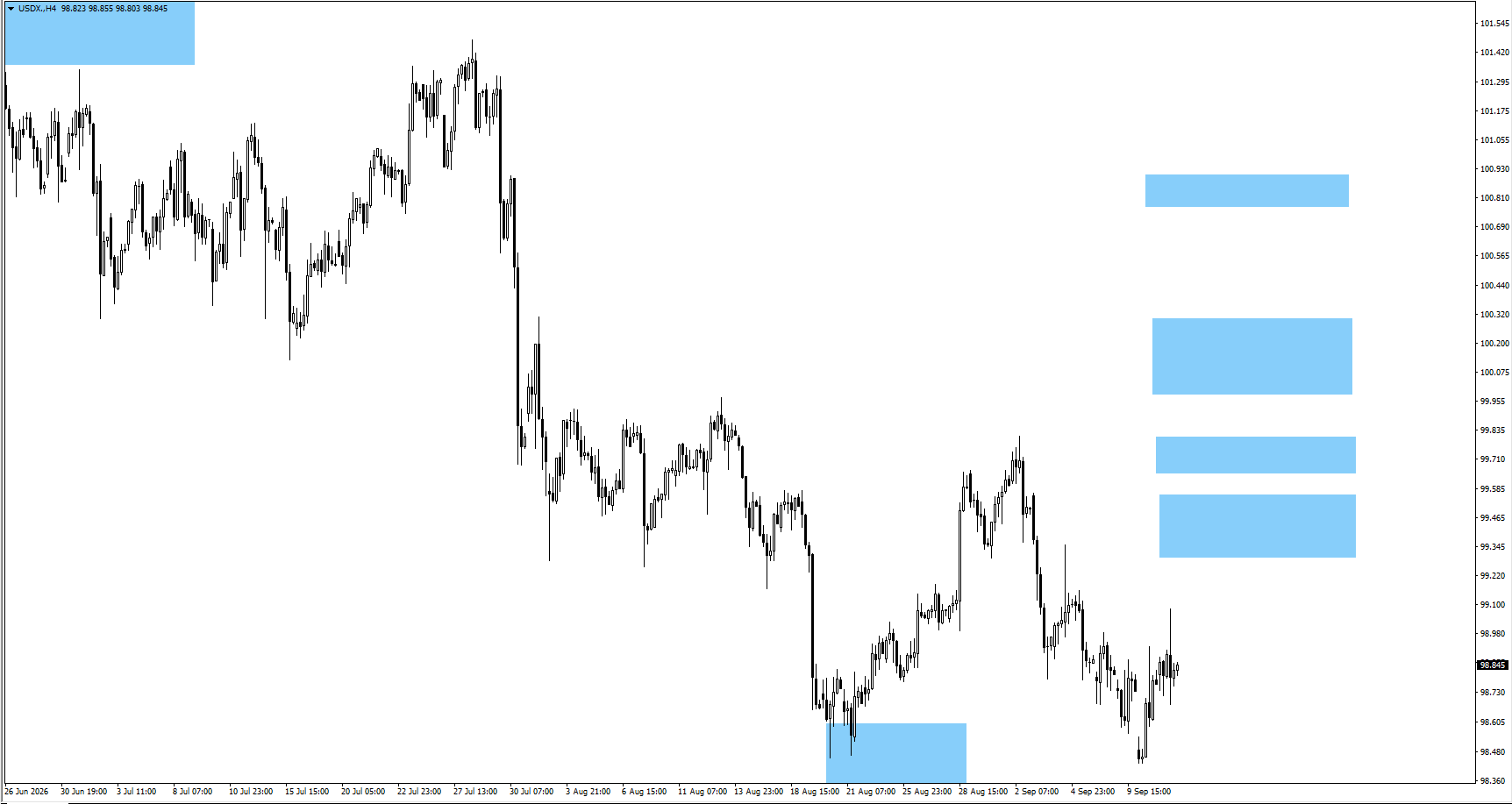
- USDX broke above 98.455 and moved higher as the previous structure completed.
- The dollar could continue higher, with 99.50 and 99.75 as the next areas to monitor.
- Even if USDX creates another low, traders should monitor for bullish price action before assuming the broader upside structure has failed.
EURUSD
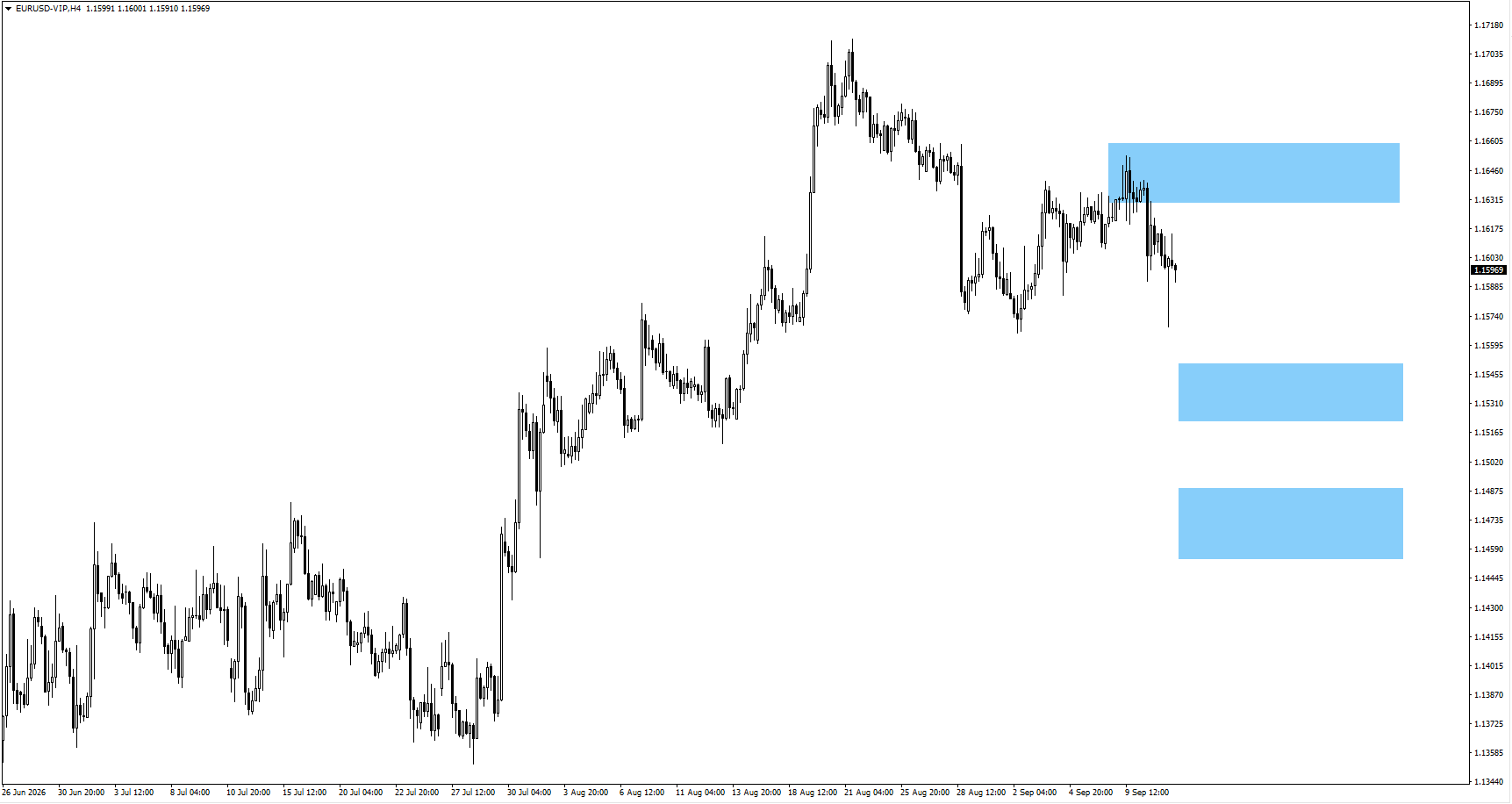
- EURUSD moved lower again from the 1.1640 monitored area.
- A consolidation near current levels could lead to another move lower towards 1.1530, although 1.16588 remains a possible upside test first.
- Watch the reaction around 1.1635. A bearish setup there would keep the downside structure in focus.
XAUUSD (Gold)
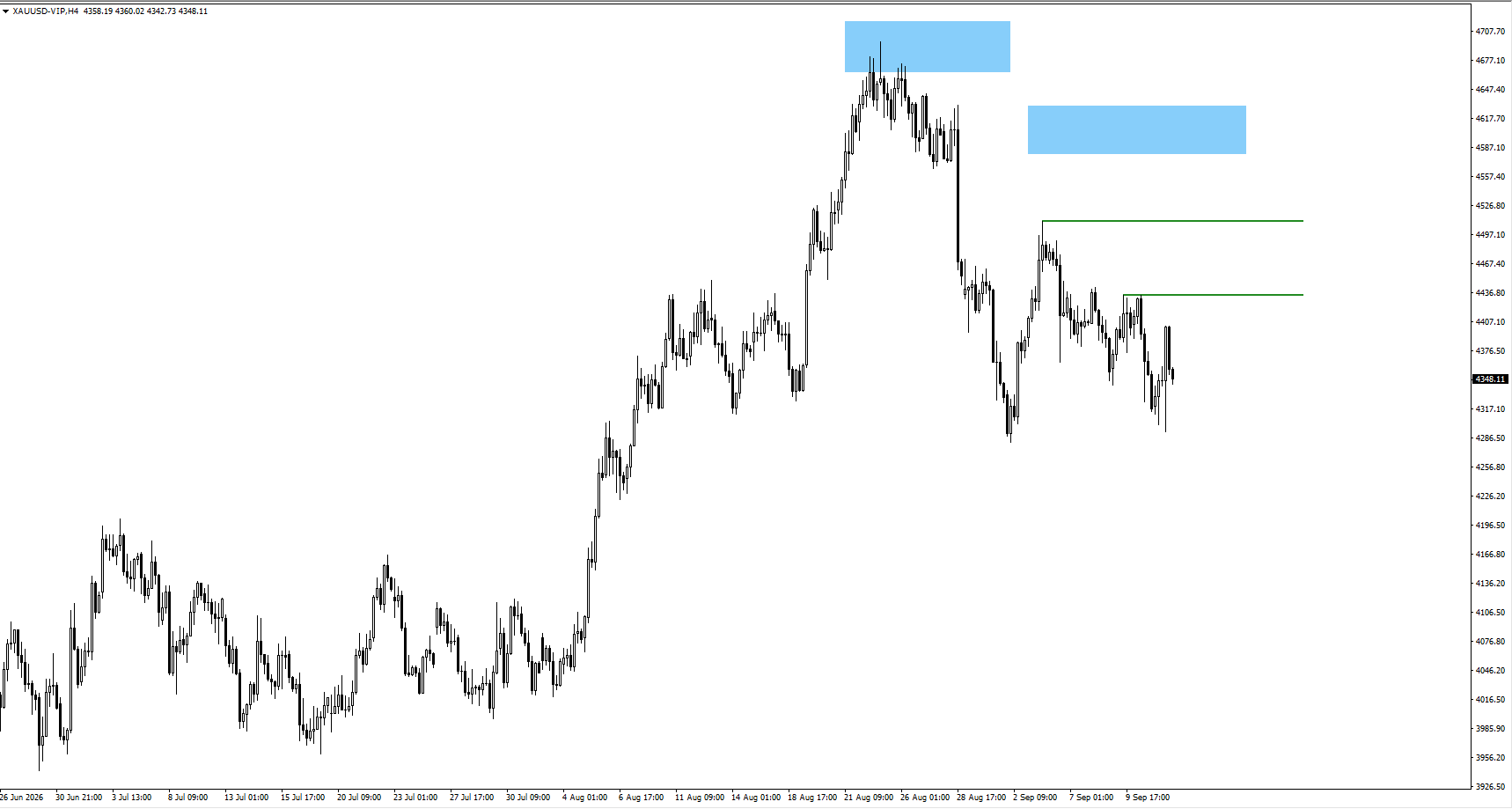
- Gold remained within a volatile consolidation structure around the recent highs and lows.
- The Fed decision is likely to be the main catalyst. A break above 4,510 would shift attention towards 4,600 for bearish price action.
SP500
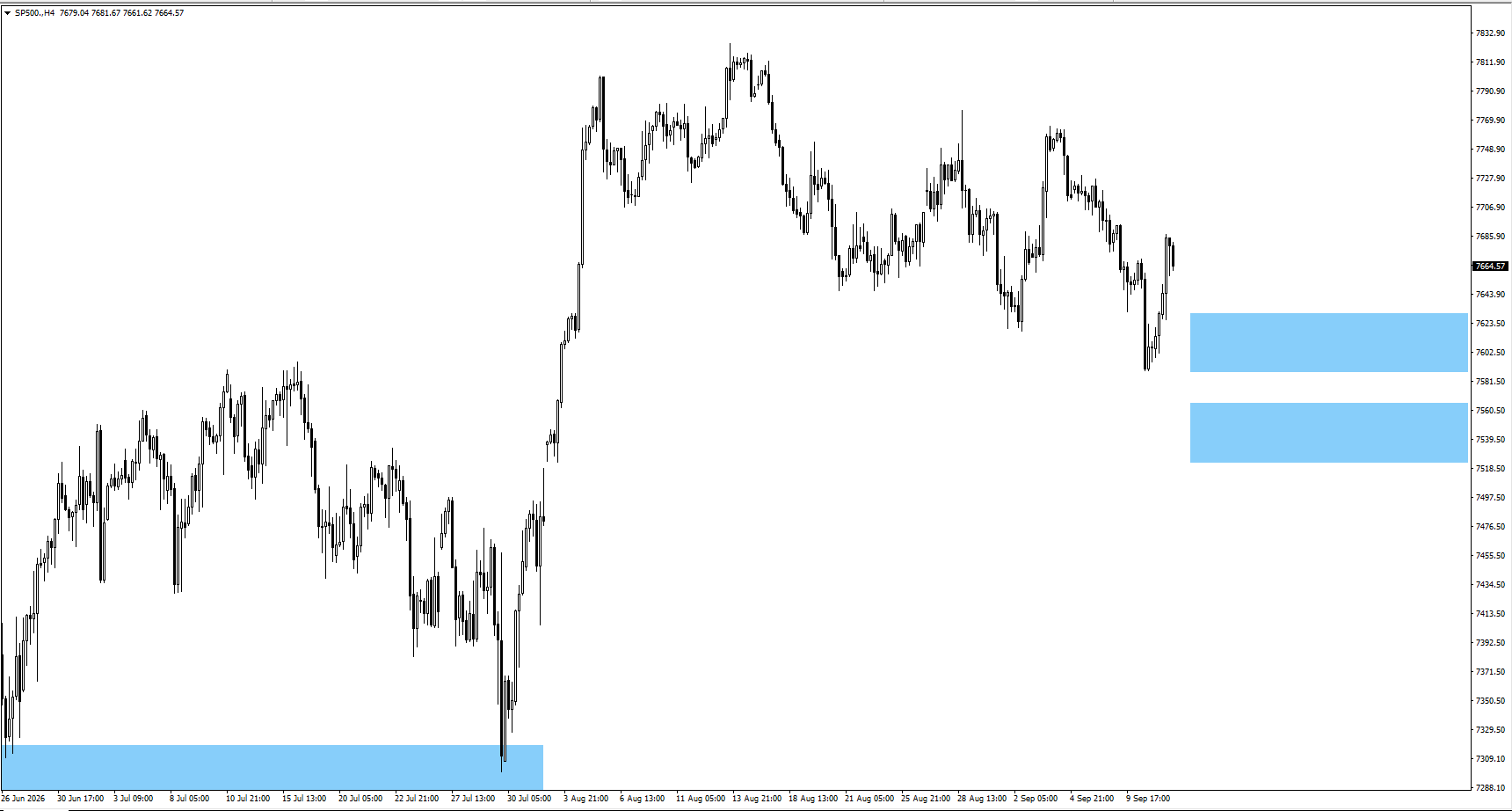
- SP500 moved lower as expected and completed its consolidation structure.
- If consolidation develops, bullish price action around 7,610 becomes the first area to monitor. A deeper move could bring 7,535 into focus.
BTCUSD
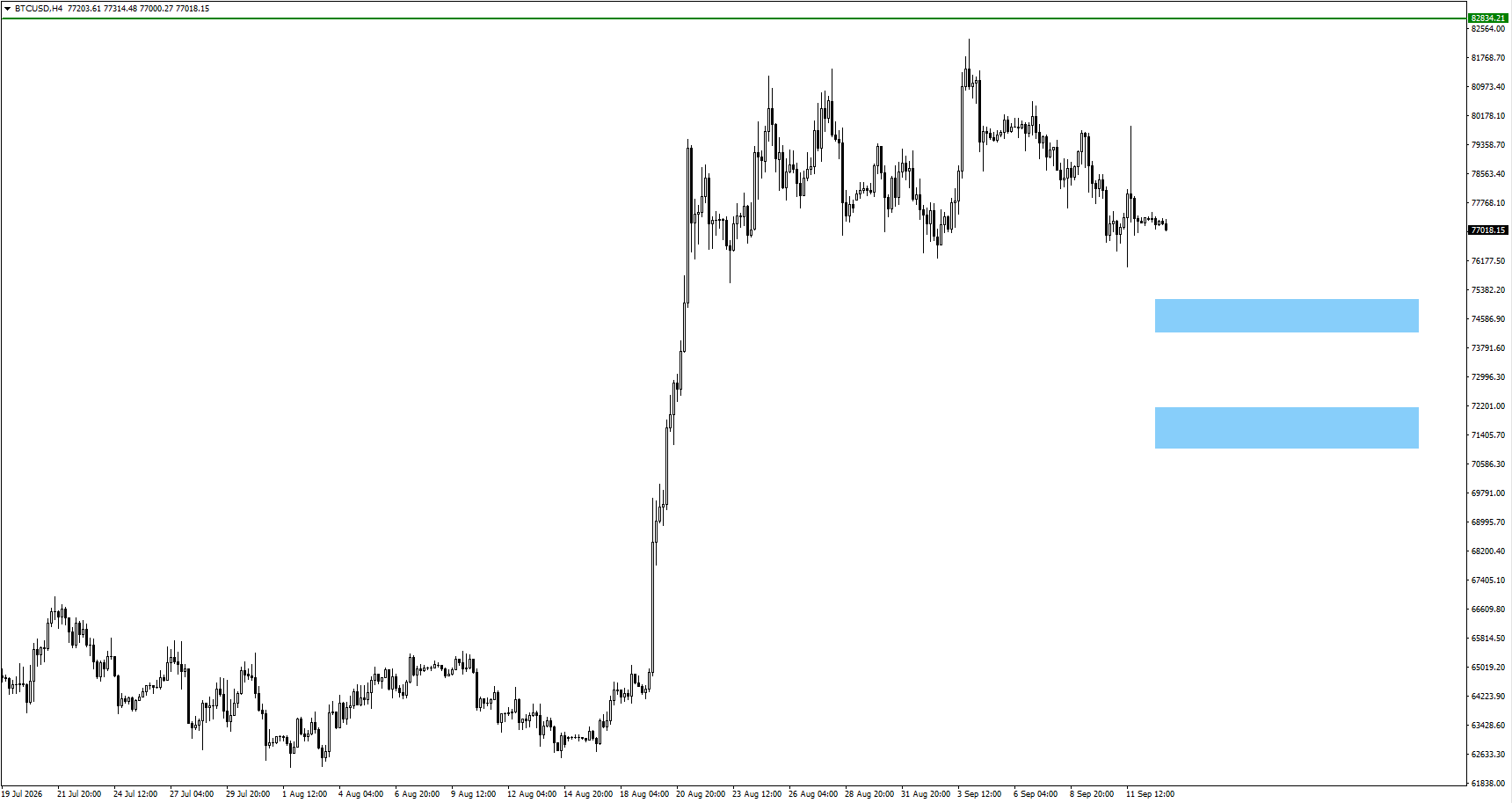
- Bitcoin remained under pressure after the previous structure pointed towards further downside.
- If BTC consolidates, bullish price action can be monitored around 75,100 or 71,900. A break below 82,834.21 would reinforce the downside setup.
Bottom Line
Markets enter the week with monetary policy at the centre of the outlook. US inflation has strengthened on a monthly basis, while annual core inflation continues to ease, leaving the Federal Reserve with a difficult balance between responding to renewed price pressure and avoiding unnecessary tightening. The Fed decision on 17 September is likely to drive the next major move across the US dollar, gold and US equities, while UK CPI and the BoE decision could set the tone for GBP. The BoJ meeting adds another source of volatility for JPY, with USDJPY already trading in an upward structure.
Create a live VT Markets account today to access our platform features, including market insights and educational content.
Frequently Asked Questions
Will the Federal Reserve raise interest rates in September 2026?
Markets are leaning strongly towards a 25-basis-point rate increase, which would take the federal funds rate to 3.75% to 4.00%. The case for a hike strengthened after August core CPI rose 0.3% month-on-month and producer inflation remained firm. However, annual core CPI eased to 2.4%, leaving some uncertainty around the broader inflation trend.
Why is the September Fed decision important for markets?
The decision could affect the US dollar, Treasury yields, gold and equities at the same time. A rate hike with hawkish guidance could support USDX and yields while adding pressure to gold and rate-sensitive stocks. A more cautious message could produce the opposite reaction.
How could the Fed decision affect gold prices?
Gold remains sensitive to both inflation expectations and real yields. Higher rates can increase the opportunity cost of holding gold, while persistent inflation can still support demand for the metal as a hedge. The report highlights 4,434 and 4,510 as key upside areas, with 4,600 in focus if price extends higher.
What are the key USDX levels to watch this week?
The report identifies 99.50 and 99.75 as the next areas to monitor after USDX broke above 98.455 and turned higher. Price behaviour around these levels could help show whether the dollar recovery has further room to extend.
Which events could create the most volatility this week?
The main events are the Federal Reserve decision, UK CPI, the Bank of England decision and the Bank of Japan policy meeting. These events could drive volatility across USD, GBP and JPY pairs, while also influencing gold and equity indices.
Start trading now — click here to create your real VT Markets account.








