






Early November was shaped by the looming threat of a U.S. government shutdown, which injected uncertainty into markets and disrupted the flow of economic data. Without reliable indicators, the Federal Reserve had little guidance for its policy decisions at a pivotal time.
The eventual—though temporary—resolution provided a measure of relief to risk assets. Just as importantly, the resumption of economic data releases restored visibility for both policymakers and investors. With a clearer picture of growth, inflation, and monetary conditions, traders regained the confidence to make informed decisions, helping market sentiment stabilise and improve.
Conversations around mega-cap tech valuations also intensified, with questions over whether the market had entered an AI-driven asset bubble.
Nvidia helped ease these concerns by delivering another strong and resilient Q3 earnings report, accompanied by robust expectations for Q4. Markets interpreted Nvidia’s results as confirmation of the ongoing AI-CapEx cycle.
Although indices struggled for much of the month, this catalyst helped drive a broad recovery – the S&P 500 has now regained lost ground and is sitting just below record highs once again, approaching the 7,000 level.
Still, the underlying environment remains challenging. Wage growth improved, but only modestly, and although prices continue to moderate, consumer purchasing power is only beginning to stabilise.
Mega-cap earnings expectations remain ambitious, leaving little room for disappointment. The government shutdown issue will return at the end of January, and the Fed still faces a delicate balancing act in determining its policy path from here.
Diving into Markets
Forex
Shifting rate expectations, fiscal developments, and diverging central-bank policies shaped the Forex landscape in November.
Moderating inflation and falling Treasury yields led markets to price in a higher likelihood of a Fed rate cut as early as December. Although safe-haven demand supported the USD at times, the broader view is that US policy tightening has effectively ended, reducing the currency’s carry appeal.
GBP moved on fiscal headlines:
- UK autumn budget signalled growth incentives + selective tax adjustments.
- Mildly supportive for GBP, but upside limited by weak productivity and BoE hesitation on cuts.
JPY under pressure:
- BoJ maintained ultra-accommodative stance.
- Yen sold as yield differentials widened.
- Intervention speculation arose but falling US yields softened losses.
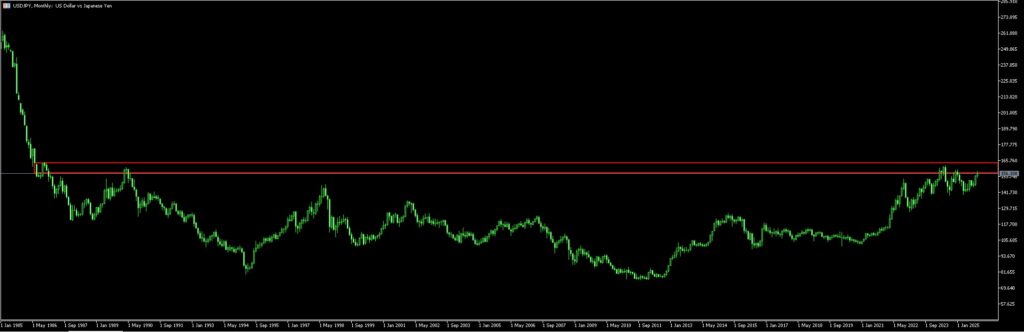
Fig. 1: Monthly USDJPY chart approaching a long-term resistance level dating back to the 1980s
Gold and Silver
Gold and silver saw broad strength in November as shifting macro conditions pushed investors toward precious metals. Falling US Treasury yields and rising expectations of Fed rate cuts supported both assets.
With real yields compressing and the USD softening, gold climbed steadily, benefiting from its traditional role as a safe-haven asset.
Silver also advanced, though with greater volatility. While supported by the same macro trends, silver’s dual identity as both a precious and industrial metal leaves it more sensitive to manufacturing indicators.
Improving sentiment around industrial demand—particularly in solar and electronics—helped silver finish the month strongly, moving back toward its record highs.
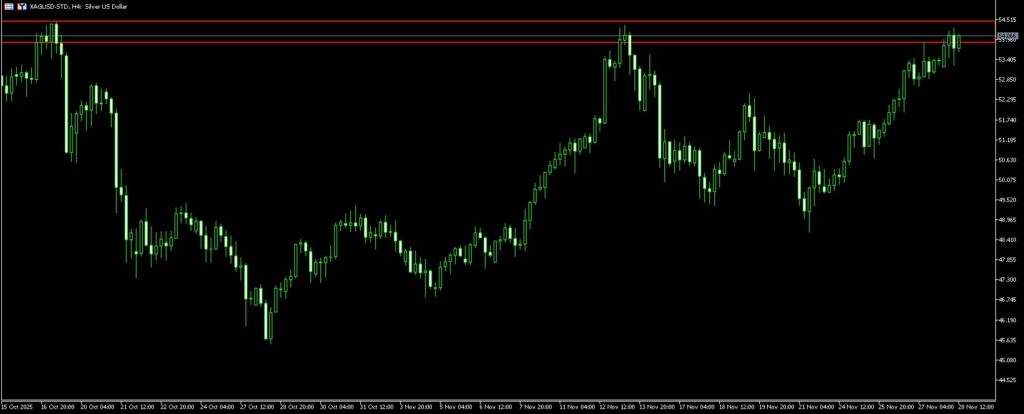
Fig. 2: 4-hour silver chart showing a strong monthly close toward record territory
Oil
Crude oil prices trended slightly lower in November as a combination of resilient supply and weakening demand weighed on the market.
Global growth indicators softened, with manufacturing PMIs across the US, Europe, and parts of Asia pointing to slowing activity heading into year-end.
On the supply side, several OPEC+ members quietly exceeded production quotas to secure additional revenue amid domestic budget pressures. This added unexpected supply to the market.
Meanwhile, US shale production remained robust, supported by efficiency gains and hedging strategies that kept rigs active even as prices eased.
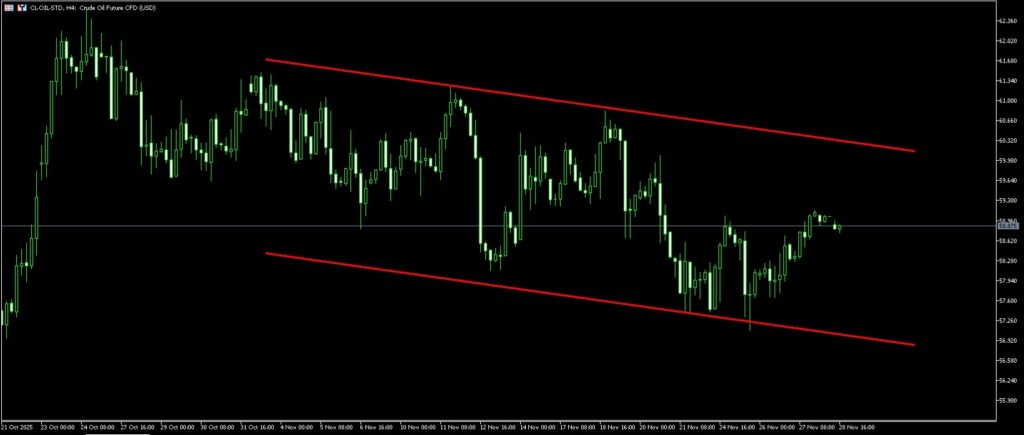
Fig. 3: 4-hour oil chart showing gradual downward pressure throughout November
Indices
November brought significant volatility across global equity markets. The month began with a sharp downturn, driven by fears that US mega-cap tech stocks had become overextended.
Uncertainty surrounding the US government shutdown further limited data visibility and weighed on overall risk appetite.
Sentiment shifted mid-month as two key catalysts improved the outlook. First, the shutdown ended, restoring confidence and enabling investors to analyse fresh economic data.
Second, Nvidia delivered exceptionally strong earnings, reigniting confidence in the AI-CapEx cycle and reversing much of the earlier tech-led selloff. These developments helped stabilise global indices and sparked a broad relief rally.
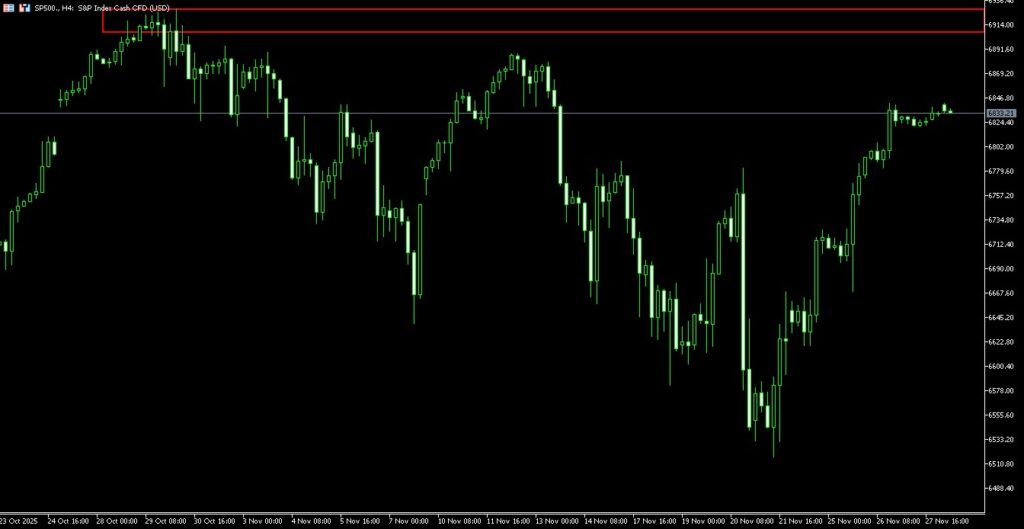
Fig. 4: 4-hour SPX chart showing early-month pressure followed by a mid-month rebound
Crypto
Bitcoin experienced a steep decline in November as macro, regulatory, and market-structure factors aligned negatively. The month began with risk-off sentiment as overstretched tech valuations corrected, pulling speculative assets lower with November being considered the weakest months of 2025 for BTC.
Rising recession fears and tightening liquidity pushed investors toward cash and short-duration bonds, reducing appetite for high-volatility assets like Bitcoin.
Regulatory pressures intensified when several major jurisdictions signalled plans for stricter oversight on stablecoin reserves and offshore exchanges.
At the same time, Bitcoin miners increased sell-side flows to cover rising energy and financing costs, adding further downward pressure.
Social-media sentiment turned sharply bearish, amplifying the sell-off and making November one of Bitcoin’s weakest performing months of the year.
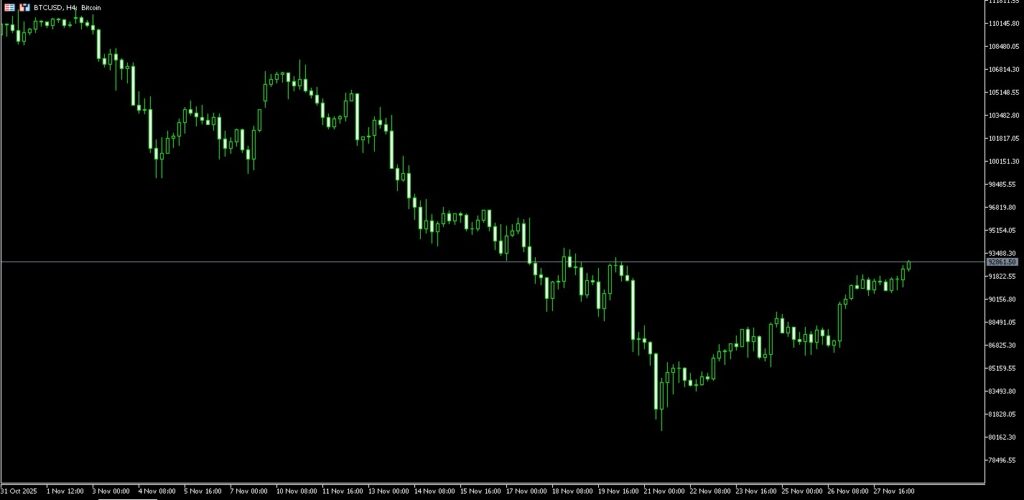
Fig. 5: 4-hour Bitcoin chart showing November’s pronounced sell-off
Into December
As we move into December, the tone of the market will continue to hinge on the interplay between incoming data and shifting rate expectations. The return of economic releases gives both the Fed and investors clearer footing, but the backdrop remains far from settled.
The prospect of early rate cuts, stabilising inflation, and strong AI earnings will offer support, yet softening growth signals and another potential shutdown in January keep risks firmly on the table.
In this environment, traders should remain flexible. December often brings thinner liquidity and sharper market reactions, and we may see conditions shift quickly as policymakers set the stage for 2026.
Staying attentive to central-bank communication and sector-specific momentum will be key in navigating the final month of the year.









