






March markets turned sharply more reactive as geopolitical tension in the Middle East drove a broader risk-off shift across asset classes. This monthly review covers forex, metals, oil, indices, and crypto, with a focus on how war risk, energy prices, and delayed rate-cut expectations reset market direction heading into April.
Market Recap of March
March marked a clear shift in tone. Where February was largely defined by consolidation and balance, March became far more headline-sensitive as tensions between Iran, the US, and Israel escalated. Markets moved away from quiet range trading and into a more defensive posture, with investors reacting quickly to each change in the geopolitical backdrop.
Energy was the first and clearest channel for that repricing. Oil surged as traders priced in a larger supply disruption risk around the Middle East and the Strait of Hormuz. That move then spread into the rest of the macro picture. Higher oil prices lifted inflation concerns, reduced confidence in near-term central bank easing, and reinforced a higher-for-longer policy path, especially for the Fed.
The result was a month where defensive USD strength, pressure on precious metals, controlled weakness in equities, and rangebound but nervous crypto all traced back to the same core driver. March was less about underlying economic deterioration and more about how markets repriced risk under a more unstable geopolitical environment.
Major Currencies
FX markets stayed broadly rangebound through March, but the underlying bias shifted in favour of the US dollar.
The USD gained support from both safe-haven demand and a continued repricing of Fed expectations. As oil moved higher and inflation risks resurfaced, markets pushed back the timing of possible US rate cuts. That helped keep the dollar firm even while most major pairs avoided a full trend breakout.
EURUSD reflected that balance. The pair remained trapped in an established range as USD strength offset weak but relatively stable eurozone data. Short-term volatility increased around geopolitical headlines, but follow-through remained limited. This kept price action choppy rather than directional.
The wider FX market still looks driven more by sentiment than by deep changes in domestic fundamentals. That could change in April if higher energy prices begin to filter more clearly into inflation data and central bank expectations.
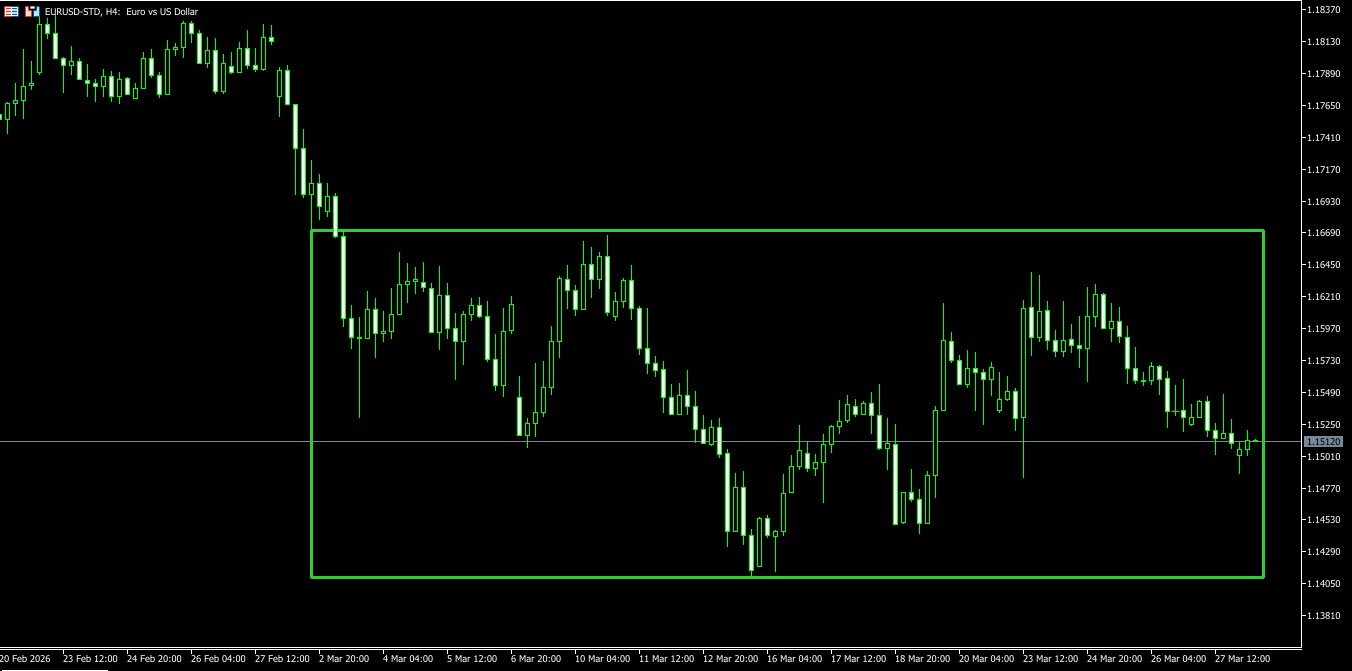
Fig. 1: 4-hour EURUSD chart showing rangebound trade despite broader USD strength
Price action suggests the market is still respecting horizontal support and resistance rather than breaking into a trend. A clean move beyond the range would suggest macro pricing is becoming more decisive.
Watch whether the dollar keeps its safe-haven bid if Middle East tensions remain elevated into April.
Popular Metals
Gold and silver came under pressure in March despite the rise in geopolitical stress.
Under normal conditions, an escalation in conflict would be expected to support safe-haven demand for bullion. This time, that effect was outweighed by a stronger USD, rising real yields, and fading confidence in near-term Fed easing. As rate-cut expectations were pushed further out, the opportunity cost of holding non-yielding metals rose and capped upside.
Gold weakened as investors prioritised liquidity and cash preservation over traditional defensive positioning. Silver faced the same macro headwinds, but also carried an added layer of pressure from concerns over industrial demand. If prolonged conflict lifts energy costs and weighs on growth, silver’s more cyclical demand profile becomes harder to support.
Both metals were therefore driven more by policy pricing and real yields than by pure safe-haven flows.
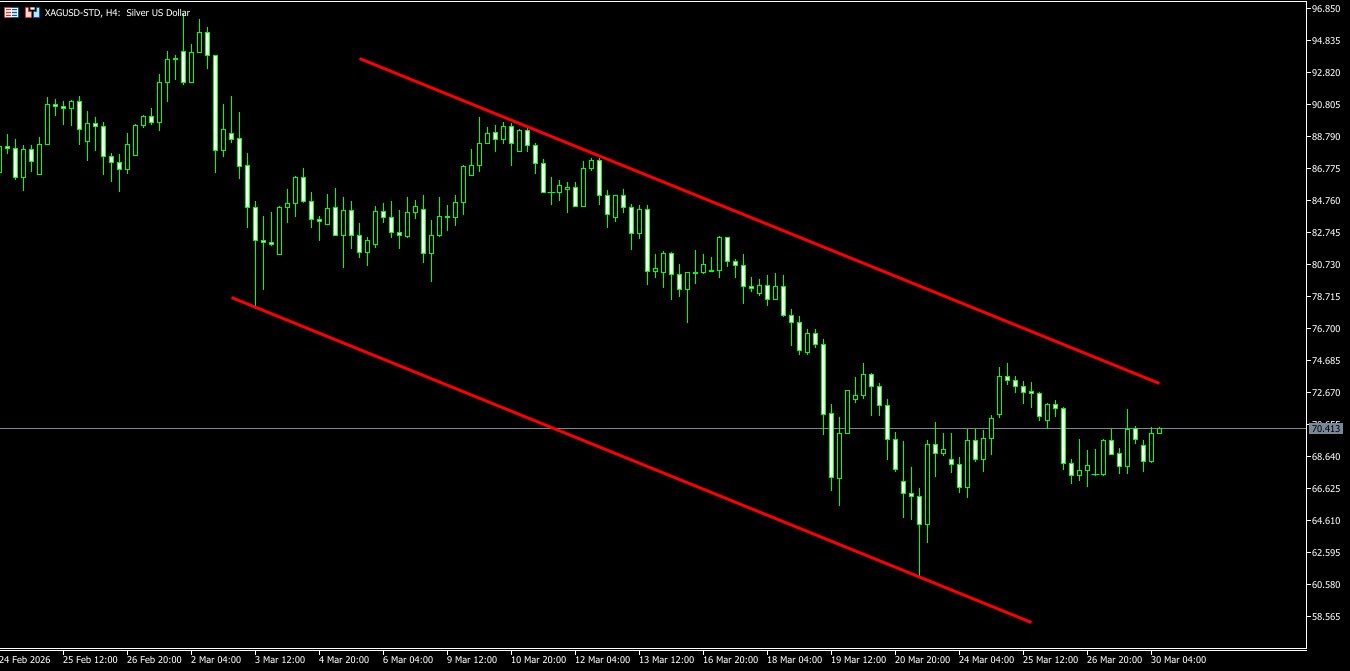
Fig. 2: 4-hour silver chart showing persistent downward pressure through March
The channel structure suggests rallies remained corrective rather than impulsive. Until price can break above the upper trendline, the broader tone remains cautious.
Watch whether a softer USD or falling yields allow metals to stabilise in April.
Oil Takes Lead
Oil was the defining market of March.
Crude prices surged as escalating tensions in the Middle East pushed a clear geopolitical premium back into energy markets. Concerns centred on the Strait of Hormuz, regional energy infrastructure, and the risk that a wider conflict could disrupt a critical share of global oil supply. As a result, crude moved above $100 per barrel and remained highly sensitive to each new development.
This move mattered well beyond energy markets themselves. Higher crude prices fed directly into inflation expectations and complicated the central bank outlook. Instead of pricing a cleaner path toward easing, markets had to consider whether fresh energy inflation could delay policy support further.
Natural gas also moved higher as traders weighed the broader implications of supply insecurity. Even with strategic reserve releases and efforts to calm markets, the risk premium held because the geopolitical situation remained fluid and unresolved.
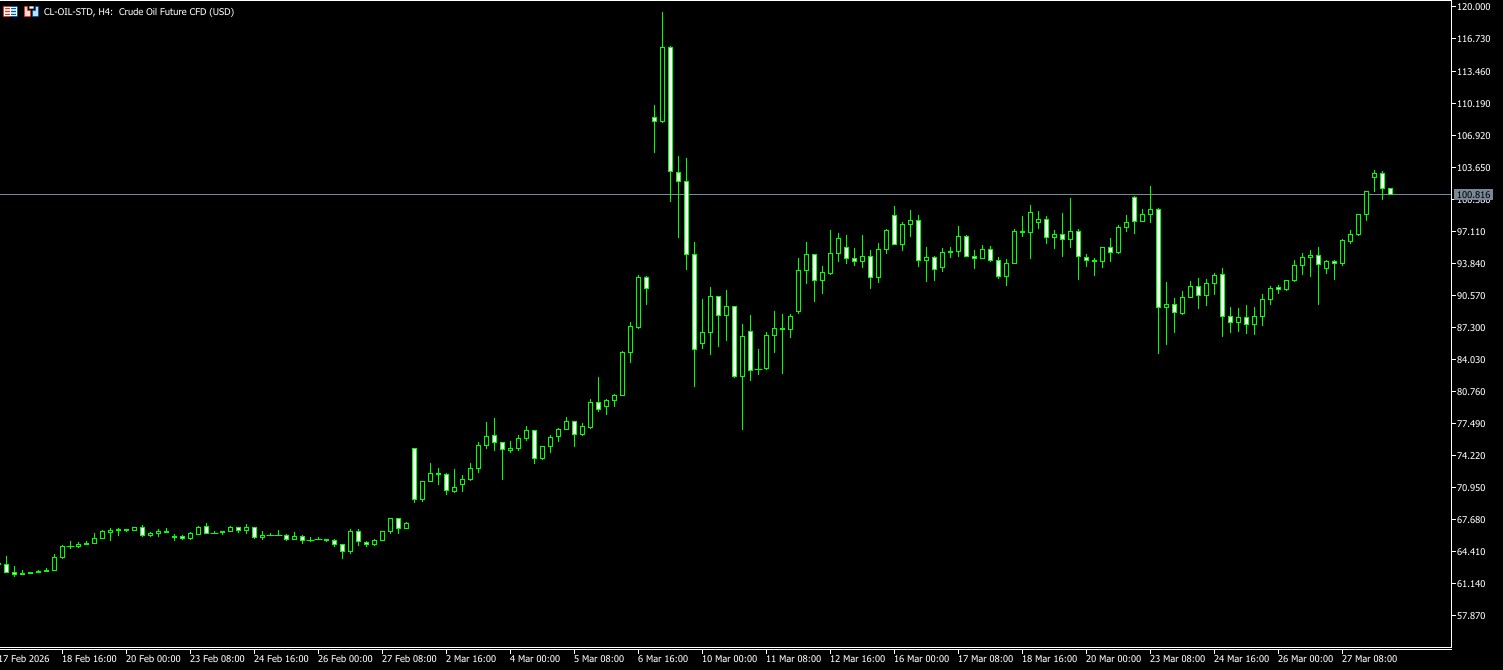
Fig. 3: 4-hour oil chart showing the sharp March spike and continued trade near $100
The chart shows that even after the initial surge, price stayed elevated rather than fully retracing. That suggests the market is still carrying a live geopolitical premium.
Watch whether oil can hold above the $100 area in early April. If it does, inflation concerns are likely to stay front and centre.
Lower Liquidity on Indices
Global equity markets weakened in March, but the selloff remained controlled.
The move lower was more about risk repricing than panic. Investors responded to higher energy prices, firmer yields, and a more uncertain geopolitical backdrop by trimming exposure, especially in growth and technology. Yet the broader tone did not become disorderly. Liquidity remained stable, economic data did not collapse, and selling pressure developed in a measured way.
That distinction is important. March did not produce the kind of broad liquidation associated with a deeper market break. Instead, it looked more like a cautious reassessment of valuations and risk appetite under a tougher macro backdrop.
The Nasdaq captured that shift clearly. Price began to break below a key support zone, but the structure still looks more like pressured weakness than panic capitulation. The next move will depend heavily on whether yields and oil stay elevated through April.
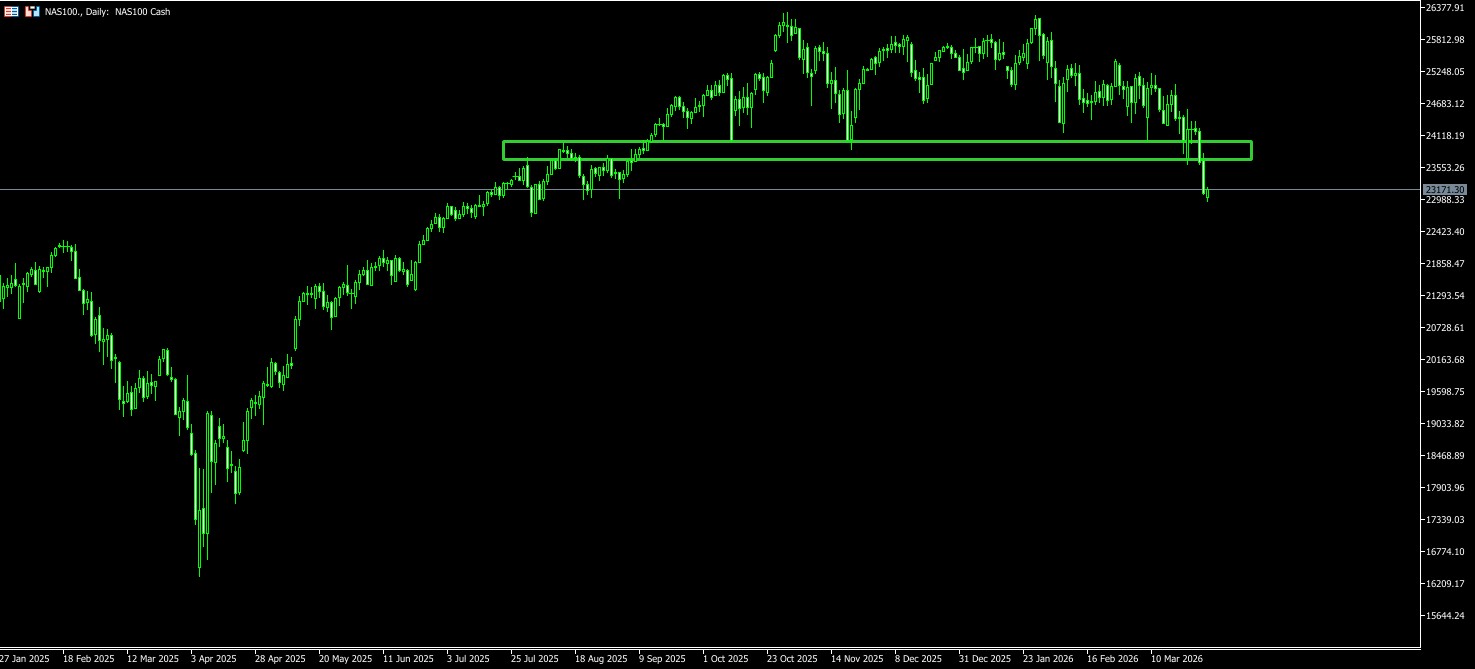
Fig. 4: Daily Nasdaq chart showing support under pressure as risk sentiment softens
The break lower matters, but the market has yet to show signs of full disorder. If support fails decisively, the selloff could deepen. If buyers stabilise the zone, March may still read as a controlled reset.
Watch whether higher energy and funding costs begin to weigh more heavily on AI and tech leadership in April.
Crypto on Hold
Crypto remained broadly rangebound through March despite heightened geopolitical tension.
Bitcoin saw sharp headline-driven moves but failed to produce a sustained breakout in either direction. The market stayed trapped in consolidation, reflecting the same broader pattern seen across other risk assets. Investors reacted to news flow, but macro conditions and positioning continued to matter more than geopolitics alone.
A firmer dollar and rising real yields reduced appetite for non-yielding assets, including cryptocurrencies. At the same time, some institutional players appeared to raise cash and cut exposure as uncertainty rose. Unlike in some earlier market episodes, Bitcoin did not attract sustained safe-haven flows.
That left crypto in a holding pattern. Volatility remained present, but conviction did not.
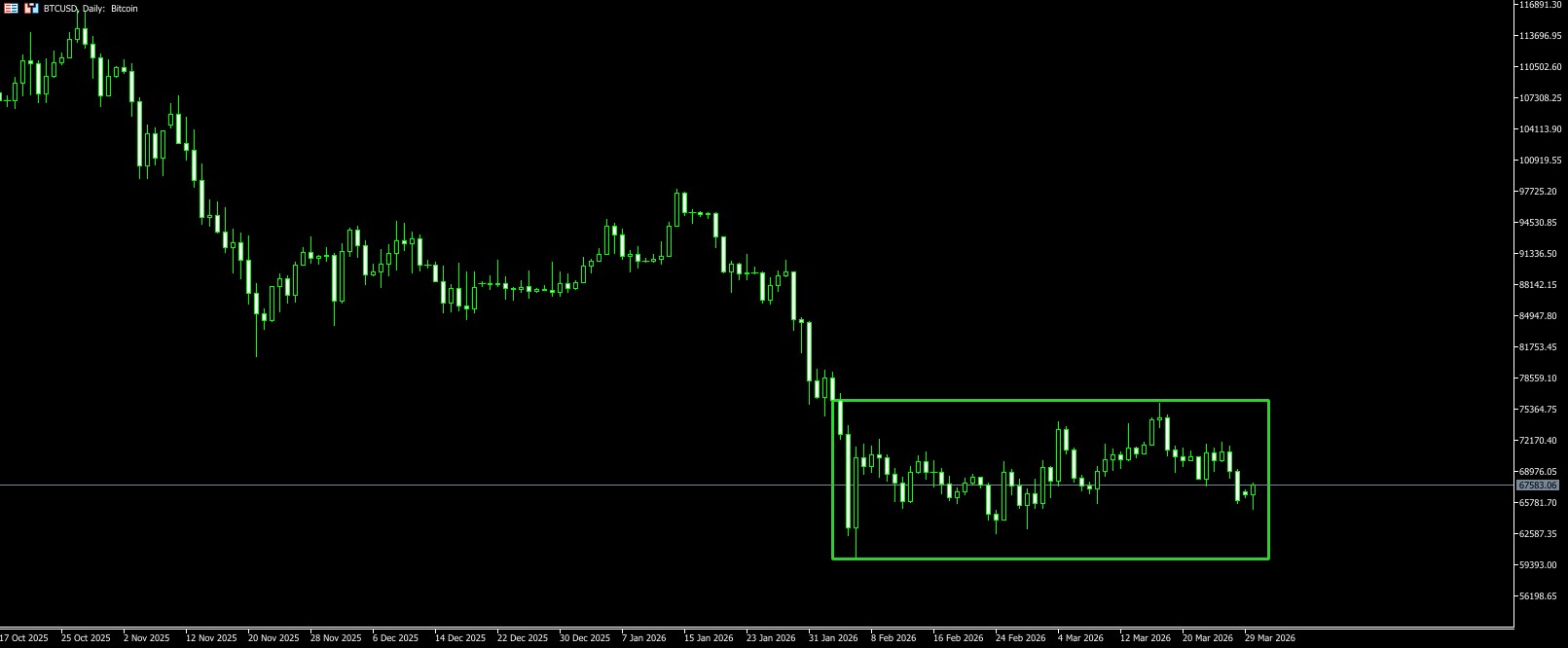
Fig. 5: Daily Bitcoin chart showing consolidation continuing through March
The range remains intact, with price respecting both the upper and lower boundaries. A break above resistance would improve the near-term outlook, while rejection keeps Bitcoin in a sideways regime.
Watch whether macro pressure eases enough for crypto to break out of consolidation in April.
Early Signals to Watch in April 2026
April opens with markets still anchored to the same question that defined March: does the Middle East crisis deepen, or does it begin to cool?
That decision matters across every major asset class. Any sign of de-escalation would likely reduce the geopolitical premium in oil, ease inflation concerns, and give central banks more flexibility. That would support equities, weaken the dollar, and potentially improve sentiment across metals and crypto.
A further escalation would keep the opposite path in play. Oil would likely remain elevated or move higher again, inflation expectations could firm further, and markets may continue to push back rate-cut timing. That would keep pressure on growth assets and support the USD.
April therefore begins with a market that is cautious, reactive, and still heavily driven by geopolitical headlines. Oil, the dollar, and rate expectations remain the clearest cross-asset barometers.
Key Levels and What They Mean
Use March’s main technical zones as the first decision points in April.
If oil holds above $100, the inflation story stays alive. If EURUSD breaks its range, it may signal a clearer shift in policy expectations or safe-haven demand. If the Nasdaq cannot reclaim broken support, risk sentiment may weaken further. If Bitcoin remains capped within its March range, crypto may continue to lag broader recovery attempts.
As always, confirmation matters more than speed. March showed how quickly headlines can move price, but April will show whether those moves settle into trends or remain reactive swings.
Frequently Asked Questions
Why Did Markets Turn More Defensive in March?
Markets became more defensive because geopolitical tensions lifted oil prices, revived inflation concerns, and reduced confidence in near-term rate cuts.
Why Did Oil Matter So Much in March?
Oil was central because supply disruption fears in the Middle East pushed crude higher, which then affected inflation expectations and broader risk sentiment.
Why Did Gold Fall Despite Geopolitical Risk?
Gold faced pressure from a stronger USD, firmer real yields, and delayed Fed easing expectations, which outweighed safe-haven demand.
Why Was EURUSD Still Rangebound?
EURUSD stayed rangebound because dollar strength was real, but still not strong enough to force a clean breakdown through support.
What is the Main Market Theme for April?
The main theme for April is whether geopolitical tensions ease or intensify, and how that affects oil, inflation, and rate expectations.









