


 Insights
  VT
VT 


As mentioned last month, July and August are typically quieter months in financial markets as traders take time off. Despite historically lower volumes, a wave of geopolitical developments, central bank divergence, and major legislative moves are keeping investors on their toes.
This month saw the Jackson Hole Symposium where the Fed Chair Jerome Powell struck a balanced tone, acknowledging easing labour markets while reiterating the Fed’s commitment to inflation control. While Powell fell short of confirming a September rate cut, markets interpreted his remarks as leaning dovish and increasing the chances of a rate cut and a further rate cut later in the year, boosting equities and creating some short-term USD weakness. This contrasts sharply with the ECB’s hawkish stance and the BoJ’s cautious normalisation, reinforcing a growing divergence in global monetary policy between major Central Banks.
Meanwhile, US stocks continue to make record highs, driven by continued AI enthusiasm and strong Q2 earnings. However, stretched valuations, particularly among mega-cap tech names, are drawing comparisons to the dot-com bubble.
In crypto markets, Ripple’s court hearing with the SEC on August 15th, helped boost Ripple after both dismissed their respective appeals, bringing to an end five years of legal battles over whether XRP qualifies as a security in various contexts. This has helped boost institutional adaptation and provided more regulatory clarity.
On the geopolitical front, Trump’s trade agenda continues to reshape the global economic landscape. We saw some new trade deals come into place, most notably with Japan and a landmark EU agreement. The EU committed to over $1.3 trillion in investments and purchases, avoiding the harsher 30% tariffs in exchange for a more moderate 15% and wider US market access.
Forex:
Overall, August was pivotal in the FX market, with traders eyeing a potential peak in US policy rates and increased volatility from geopolitical events. USDJPY remains a key pair to watch as the reversal of carry trades unfolds.
USD weakened notably following Fed Chair Jerome Powell’s Jackson Hole speech. As rate cut expectations gained momentum, the DXY lost ground, retreating from its recent highs and pressuring the greenback across major currency pairs.
A major focus was USDJPY, which declined sharply from its recent highs. The move was fuelled by unwinding of JPY carry trades as geopolitical tensions and changing interest rate expectations prompted traders to rotate out of high-yielding positions. The Bank of Japan’s subtle shift in tone added to JPY strength, catching short-term speculators off guard.
Elsewhere, the EUR and GBP gained modestly on the back of dollar weakness, though economic divergence and cautious Central Bank outlooks kept gains more limited. Emerging market currencies also saw relief as US yields pulled back, easing funding pressure.
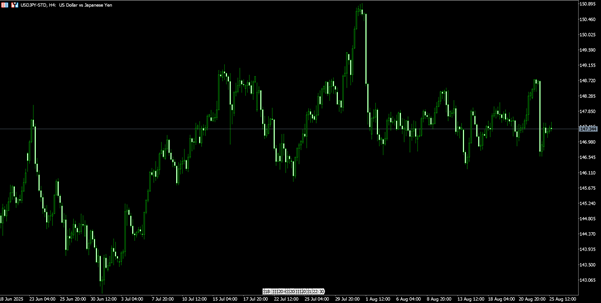
Fig.1: 4 Hour USDJPY chart showing the sharp pullback from highs following Jackson Hole Symposium
Gold:
Even thought there was some short-term volatility in Gold at times during August, it remains in the wider range-bound structure.
Early in the month, gold rallied on the back weak US jobs data and renewed tariff concerns sparked safe-haven demand. It then also rallied on the back of Jackson Hole as investor expectations of a September rate cut increased providing a boost to bullion, supported by a softer USD.
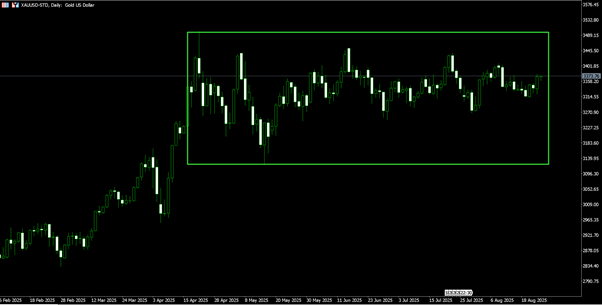
Fig. 2: Daily Gold Chart showing its rangebound action since the start of April, with overall structure still bullish
Oil:
Oil has experienced weakness in August. Prices fell in the middle of the month back below the key level at $65, as optimism emerged around potential progress in peace talks between Russia and Ukraine, easing supply concerns. Whilst towards the end of the month, geopolitical risk resumed increasing prices slightly after Ukrainian drone attacks targeted Russian refineries, disrupting output and causing oil prices to spike modestly.
The IEA projected strong global demand growth for 2025 and 2026 but also highlighted rising supply from OPEC+ leading to increased inventory builds.
This has left oil’s outlook uncertain, with price direction balancing between ongoing geopolitical tensions and supply management decisions by oil producing nations.
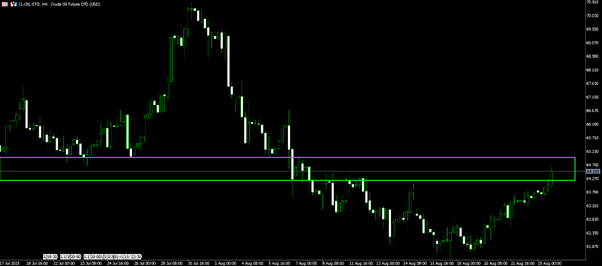
Fig. 3: 4 Hour Oil Chart showing its dip below the key area around $65
Indices
August was another standout month for US equities, as markets surged to new record highs across major indices again. On August 22, US indices rallied following Fed Chair Jerome Powell’s dovish Jackson Hole remarks, with the Dow Jones Industrial Average jumping nearly 1.9%, the S&P 500 gaining 1.5%, and the Nasdaq up 1.9% .
A strong earnings season reinforced this optimism. With more than 90% of S&P 500 companies beating expectations, and earnings growth running around 11% year-over-year. Financials and tech led the rally thanks to robust corporate profits and AI-related themes.
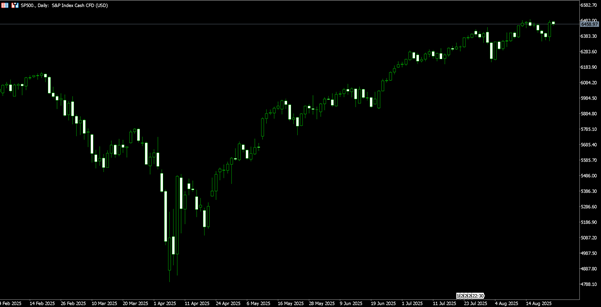
Fig.4: Daily Chart of the SP500 showing its continued strong performance on the back of solid earnings and Jackson Hole remarks
Crypto:
There were some key events in August driving Crypto activity. Ripplegot boosted after the SEC and Ripple jointly dismissed their appeals on August 15, affirming that Ripple had previously settled the case with a $125 million fine. This resolution removed years of uncertainty, boosting XRP’s appeal and signalling more regulatory clarity.
We also saw a surge in web3 funding demonstrating growing institutional interest in decentralised infrastructure.
Bitcoin also reached new highs above $124,000 in mid-August, led by strong speculative interest and record ETF and institutional inflows. Although BTC pulled back toward the end of the month, its overall momentum remained bullish.
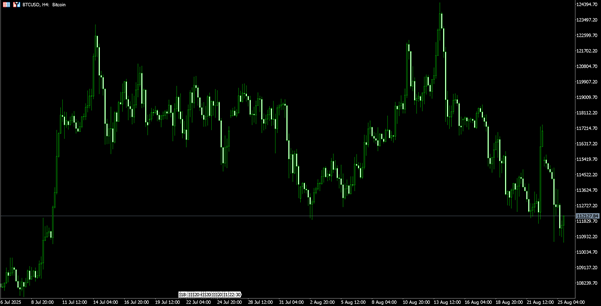
Fig. 5: 4 hour Bitcoin chart showing Bitcoin making more record highs earlier in the month before pulling back









