






The global monetary system is undergoing a transformation that goes beyond the usual cycle of tightening and easing.
Interest rate cuts are no longer just a short-term stimulus tool; they have become strategic indicators of adaptation, signalling how economies, investors, and traders are recalibrating to a slower and more uncertain world.
Major central banks are now rebalancing their reserves away from purely financial assets and toward tangible commodities such as gold and key industrial metals.
This shift reflects a growing recognition that in a world defined by supply chain disruptions, inflation persistence, and geopolitical tension, real assets are regaining primacy.
Monetary easing today is not just about fuelling credit expansion; it is about redefining value.
Understanding how commodities behave under these evolving conditions has become essential for both traders and policymakers navigating a world where capital is flowing back into hard assets.
How Interest Rate Cuts Reshape Commodity Behaviour
Interest rate cuts influence commodity markets through two dominant channels.
- The Cost of Holding Real Assets
Commodities generate no yield. When interest rates fall, the opportunity cost of holding them declines, making metals and energy products more attractive to investors seeking preservation rather than yield.
- The Currency Effect
Since most commodities are priced in U.S. dollars, lower U.S. interest rates tend to weaken the dollar, boosting global purchasing power and lifting demand even when consumption remains stable.
This dual impact of lower cost of carry and a softer dollar creates a self-reinforcing feedback loop that supports commodity prices.
The extent of the rally, however, depends on whether rate cuts stem from controlled disinflation or economic stress.
The Power of Expectations
Markets do not wait for central banks to act; they price in expectations long before the first policy move.
When traders anticipate rate cuts, they begin rotating portfolios ahead of time, often months before the official announcement.
Futures markets, forward guidance, and inflation forecasts all become signals of direction.
This is why commodities often rally before policy shifts, with momentum fading once the easing is confirmed. For professionals, this underlines a crucial point: sentiment often drives positioning faster than fundamentals can adjust.
Those who monitor the evolution of market expectations, not just policy outcomes, gain an edge that reactive traders often miss.
Diverging Responses Across Commodities
Commodities do not move in unison. Each category reacts differently to rate cuts depending on its underlying fundamentals and demand drivers.
- Precious Metals – The Monetary Hedge
Gold and silver tend to benefit the most during easing cycles. Lower yields reduce the cost of holding non-interest-bearing assets, while renewed uncertainty over inflation and currency stability boosts safe-haven demand.
The deeper the loss of confidence in fiat value, the stronger the rally. This pattern is visible in the multi-decade bull trend in gold amid repeated waves of monetary easing.
- Industrial Metals – The Growth Barometer
Copper, aluminium, and nickel thrive when easing coincides with real economic recovery.
If cuts are viewed as supportive for infrastructure, manufacturing, and green energy investment, demand rises sharply.
But when cuts signal recessionary pressure, optimism fades. Traders must distinguish between stimulative easing and defensive easing. One drives expansion; the other simply slows contraction.
- Energy – Balancing Policy and Politics
Oil and natural gas respond to a wider range of variables such as supply dynamics, OPEC+ coordination, inventories, and geopolitics.
Lower rates can strengthen energy demand over time, but political constraints and global production caps often moderate short-term effects.
- Agriculture – Indirect Beneficiaries
Agricultural commodities react more subtly to monetary shifts. Rate cuts lower financing costs for producers and often weaken the dollar, improving export competitiveness.
While weather and logistics remain dominant, the macro backdrop still shapes confidence and trade flows.
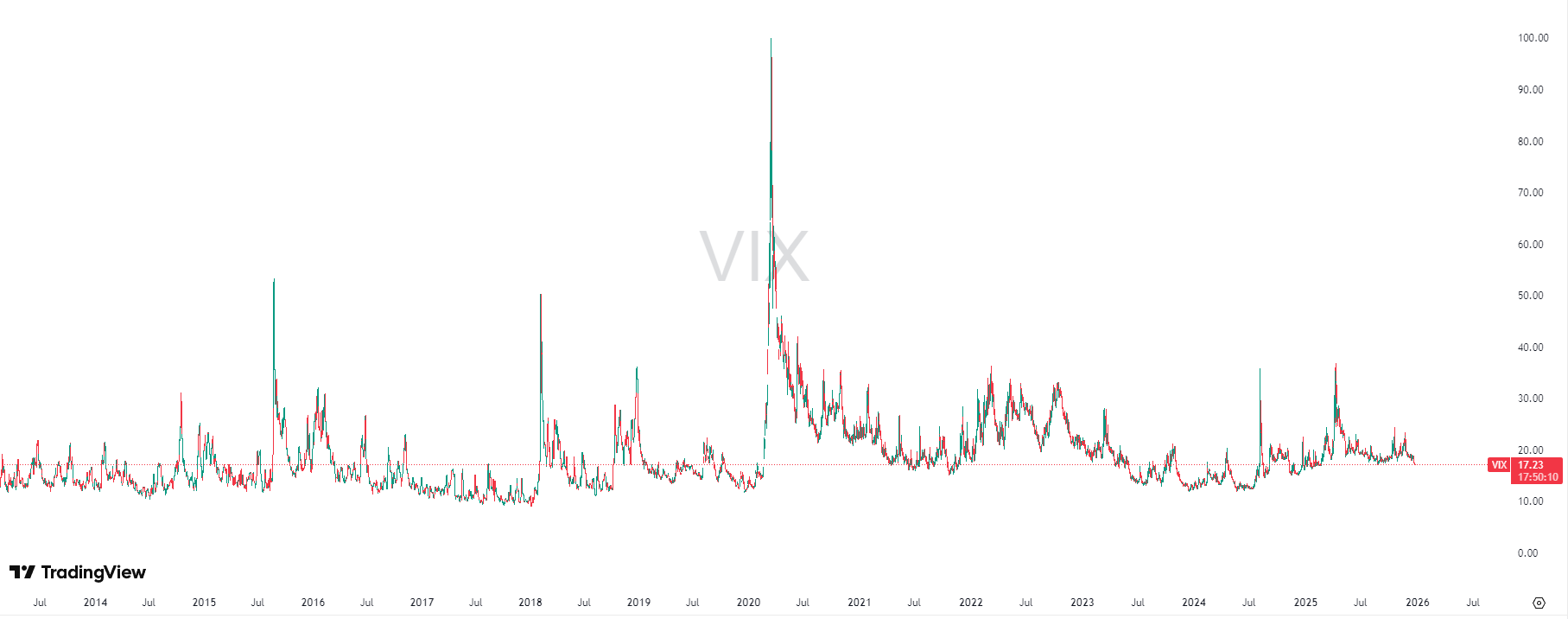
Volatility as a Market Feature
Every easing cycle introduces volatility. As central banks change tone, liquidity shifts unevenly across markets, creating temporary distortions in price discovery.
Press conferences, policy statements, and even a few words in official remarks can move commodity prices as traders reprice risk in real time. In this environment, volatility is not a flaw but a function of recalibration, a signal that capital is moving, repositioning, and reassessing.
For commodity traders, the challenge is to distinguish volatility driven by policy transition from that caused by genuine demand or supply shocks. The first offers opportunity; the second requires caution.
Reading Between the Cuts
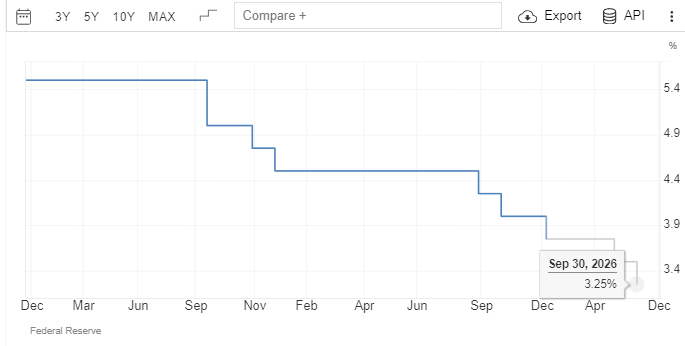
Rate cuts can be both a symptom and a cure. They are deployed when growth weakens or disinflation sets in, but they can also act as insurance against deeper structural risks.
For commodities, the interpretation depends on context:
- If cuts follow controlled disinflation, they often boost risk sentiment and support cyclical assets.
- If they respond to financial stress, they may trigger flight-to-safety flows, lifting gold but weighing on industrial metals and energy.
Recognising which scenario is unfolding, reflation or protection, is critical to positioning correctly.
Strategic Implications for Traders
- Manage Volatility With Discipline
Easing cycles amplify short-term fluctuations. Traders who mistake momentum for trend risk being caught in false breakouts. Systematic position sizing and dynamic hedging are essential.
- Stay Data-Driven, Not Narrative-Driven
Policy shifts often fuel speculation detached from fundamentals. Align trades with quantifiable indicators such as interest rate expectations, bond yields, and real-time inventory data rather than market noise.
- Watch Cross-Asset Correlations
As rates fall, traditional relationships can be inverted. Commodities may move inversely to bonds or in tandem with equities depending on liquidity conditions. Tracking correlation shifts helps identify when capital is rotating between asset classes.
- Balance Conviction With Flexibility
Falling rates encourage leverage, but overconfidence during easing cycles is costly. The traders who thrive are those who can adapt, scaling exposure when conviction aligns with liquidity and stepping back when signals conflict.
What Traders Must Know
The relationship between monetary policy and commodities is not linear, it is cyclical and psychological.
In 2026, as global interest rates turn lower, we will see commodities transition from being purely inflation hedges to becoming strategic assets again. The challenge for traders will be reading intent, whether a cut is designed to stimulate growth or to cushion decline. That is the difference between trading opportunity and trading fear.
“I believe we are entering a phase where volatility becomes structural and commodities, once again, act as the true mirror of global policy sentiment.” said by Nayel Aljawabrah, Market Analyst at VT Markets.
Disclaimer
The views and opinions expressed in this article are those of Nayel Aljawabrah, Market Analyst at VT Markets. They reflect his professional analysis and insights on current market conditions and do not necessarily represent the official position of VT Markets. This commentary is provided for informational purposes only and should not be construed as financial advice.










