



The oil market in 2026 no longer behaves like a traditional commodity market governed solely by supply and demand. Price action now reflects geopolitics, monetary policy, investor psychology, and the global energy transition.
Oil has evolved from being merely fuel for transport and industry to becoming a strategic macro asset.
Governments now use it to manage inflation, defend currencies, and project power. Prices increasingly move on expectations and narratives rather than confirmed data, making oil both an economic barometer and a political instrument.
Volatility is Structural, Not Temporary
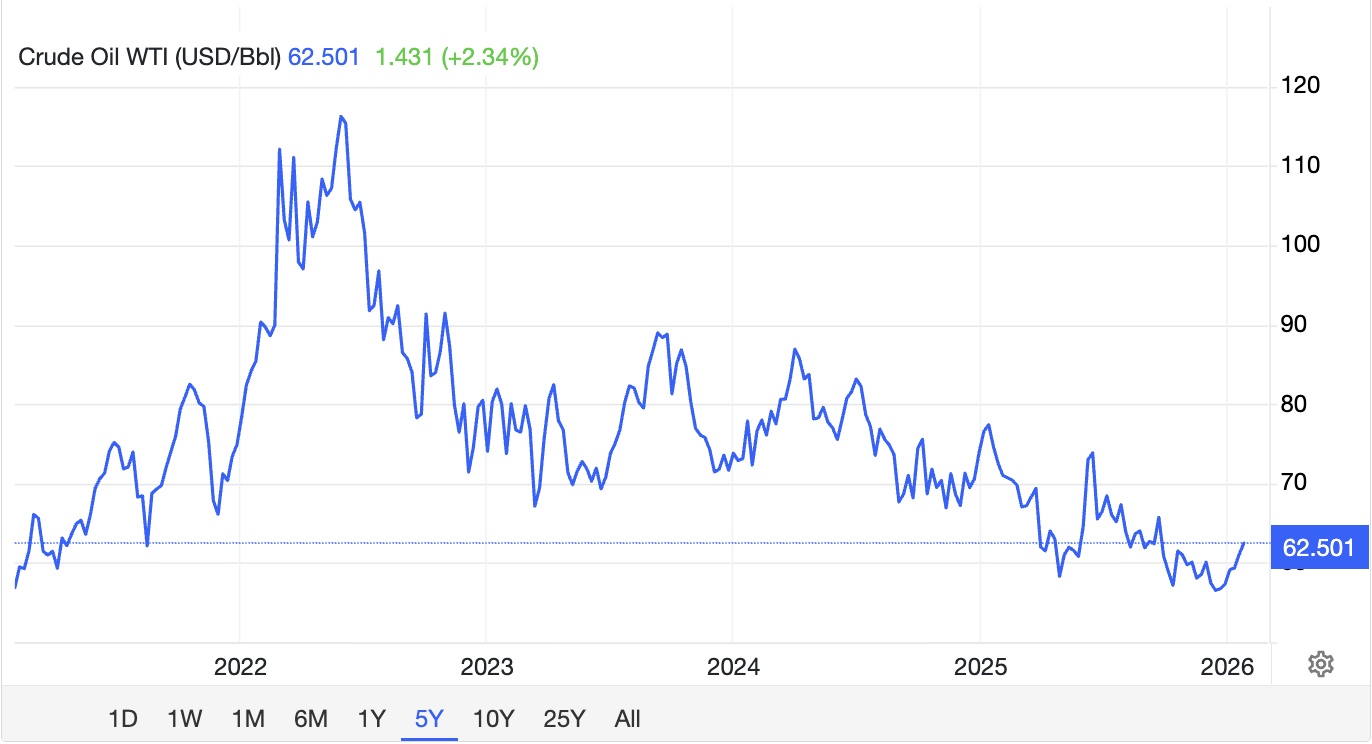
Volatility in 2026 is not an anomaly. It is the defining feature of the market. Political statements, central bank signals, or regional conflicts can trigger sharp price swings even when physical supply remains steady.
Oil has become a market of expectations, where prices move ahead of events rather than in reaction to them.
This non-linear behaviour means small catalysts can trigger large reactions when confidence is fragile. For traders, volatility has shifted from being a temporary disruption to a permanent condition that must be managed, not feared.
Supply: Less Flexible, More Strategic
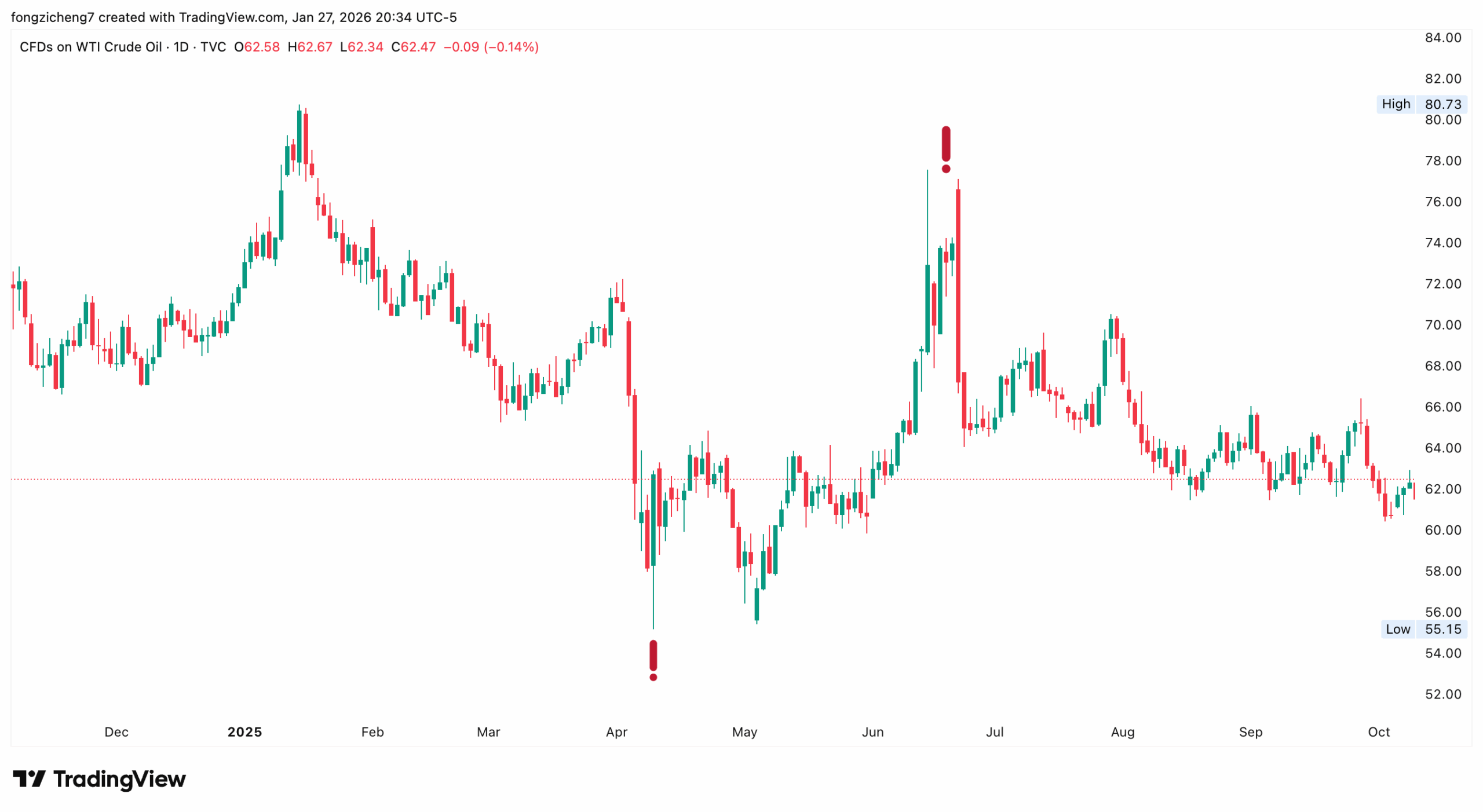
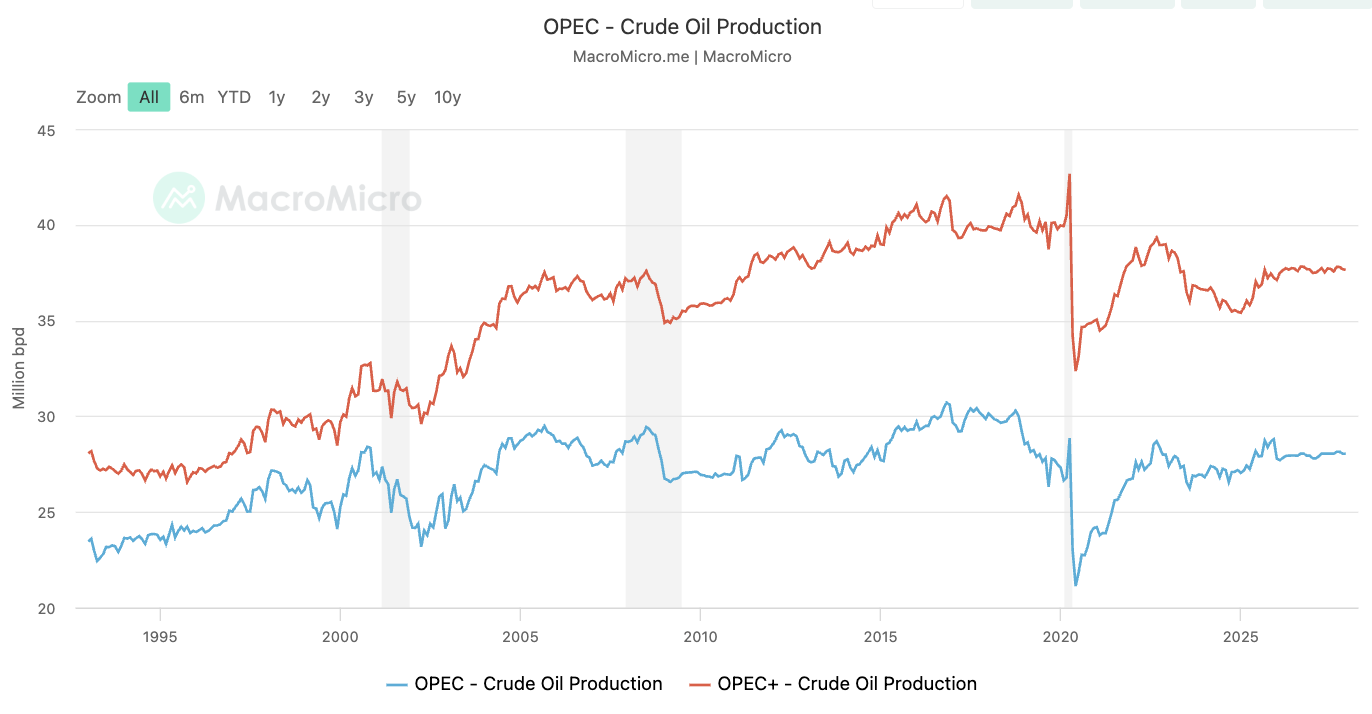
Oil supply in 2026 is shaped by strategy rather than volume alone. OPEC+ production discipline is no longer about short-term balance; it is about defending market share in a world accelerating towards energy transition. Producers now face a delicate trade-off between maximising current revenue and safeguarding oil’s long-term relevance.
US shale production has also changed structurally. Output growth is no longer purely price-driven but constrained by capital discipline, environmental regulation, and investor demands for consistent returns.
This has made supply more stable, but also less responsive to sudden shocks.
Meanwhile, strategic petroleum reserves have become active policy tools. Releases and refills are increasingly tied to inflation control, political cycles, and market psychology rather than emergency supply needs.
Monetary Policy Now Drives Oil Prices
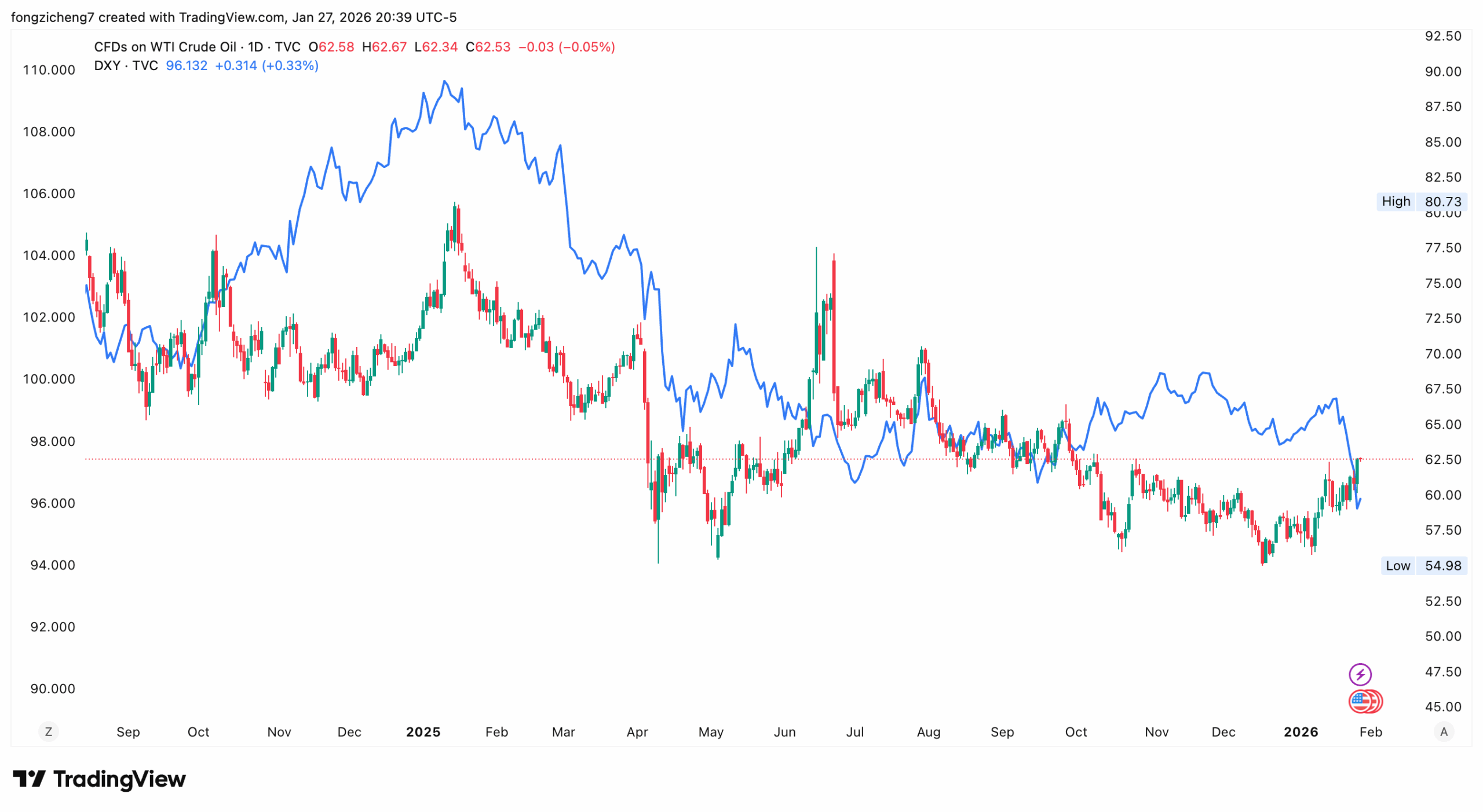
Oil now trades like a macro asset. Interest rates, the US dollar, inflation expectations, and risk appetite play a direct role in price direction.
Higher interest rates tend to pressure oil by slowing economic activity and attracting capital towards fixed-income assets. Conversely, dovish signals from central banks often lift oil prices as markets anticipate stronger growth and demand.
The US dollar remains central. A stronger dollar makes oil more expensive globally, weighing on demand, while a weaker dollar supports prices and reinforces oil’s role as an inflation hedge.
Demand: Uneven, Fragile, and Region-Specific
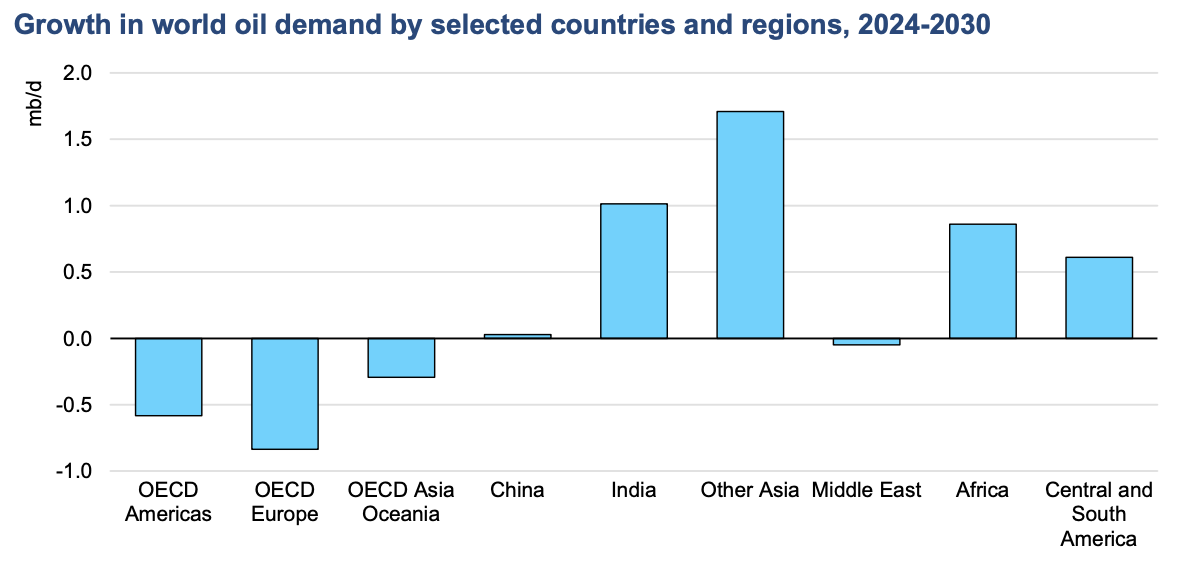
Global oil demand in 2026 is no longer uniform or predictable. Growth is slower overall, but uneven across regions.
China remains the most sensitive driver in demand. Structural changes in its economy mean oil demand no longer grows automatically, yet stimulus measures or recoveries in transport and aviation can still trigger rapid price rallies.
India represents longer-term demand growth, supported by population expansion and economic development. However, this growth remains vulnerable to energy price volatility and domestic policy shifts towards efficiency and renewables.
Geopolitics: Pricing Risk Before It Happens
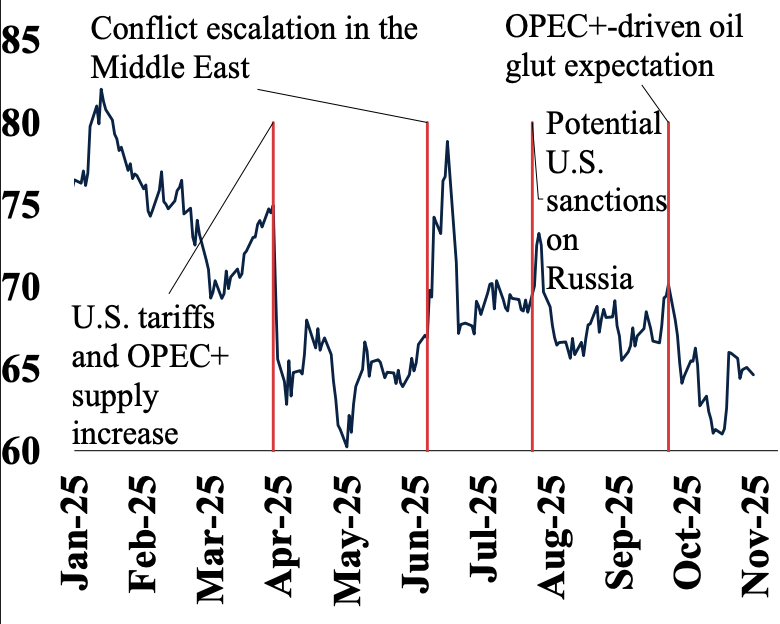
Geopolitical risk is now permanently embedded in oil prices. Conflicts, sanctions, and shipping route disruptions add a risk premium long before actual supply losses occur.
These price moves are often driven by probability rather than reality. If feared disruptions fail to materialise, prices tend to correct sharply. The key challenge for traders is distinguishing between headline-driven noise and genuine structural change.
Inventories: Data With Psychological Weight
Inventory reports have become major volatility triggers rather than routine data points. Weekly figures from the EIA and API often spark sharp price reactions, especially when they diverge from expectations.
However, inventory data must be read in context. Seasonal demand, refinery activity, exports, and logistics all influence stock levels. Futures curves provide deeper insight: contango often signals oversupply, while backwardation reflects tight physical conditions.
Understanding inventories is essential for separating temporary fear-driven moves from genuine supply-demand imbalances.
What Oil Traders Must Understand in 2026
- Oil moves on expectations, not confirmations
Markets price future scenarios before they unfold. The gap between expectations and outcomes drives volatility.
- Headlines create noise, data creates trends
News sparks reactions, but sustained moves come from inventories, demand signals, and monetary policy.
- Geopolitical risk is priced early
Many rallies fade once worst-case scenarios fail to materialise.
- Positioning matters as much as fundamentals
Extreme positioning increases the risk of sharp reversals, even without new information.
- Risk management is non-negotiable
High volatility demands adaptive position sizing, flexible stop-loss placement, and disciplined exposure control.
Final Thought
In 2026, oil is no longer just an energy market. It is a real-time indicator of global confidence, economic direction, and geopolitical tension.
Traders who rely solely on traditional models will struggle. Those who combine macro awareness, psychological insight, and disciplined risk management will be best positioned to navigate a market defined by uncertainty rather than stability.









