





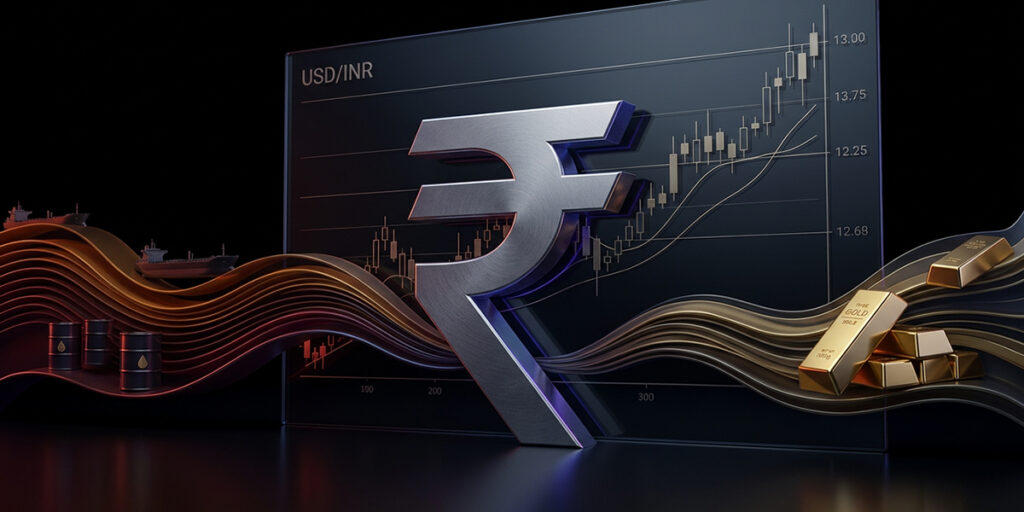
Financial markets rarely react solely to policy changes; they respond to the underlying message behind the policy.
Prime Minister Narendra Modi’s recent appeal urging citizens to avoid non-essential gold purchases, reduce foreign travel, conserve fuel, and prepare for prolonged geopolitical uncertainty has triggered strong discussion across India’s financial ecosystem. The statement may appear precautionary on the surface, but forex traders and market analysts interpret it as a macroeconomic signal.
The timing of the speech is critical!
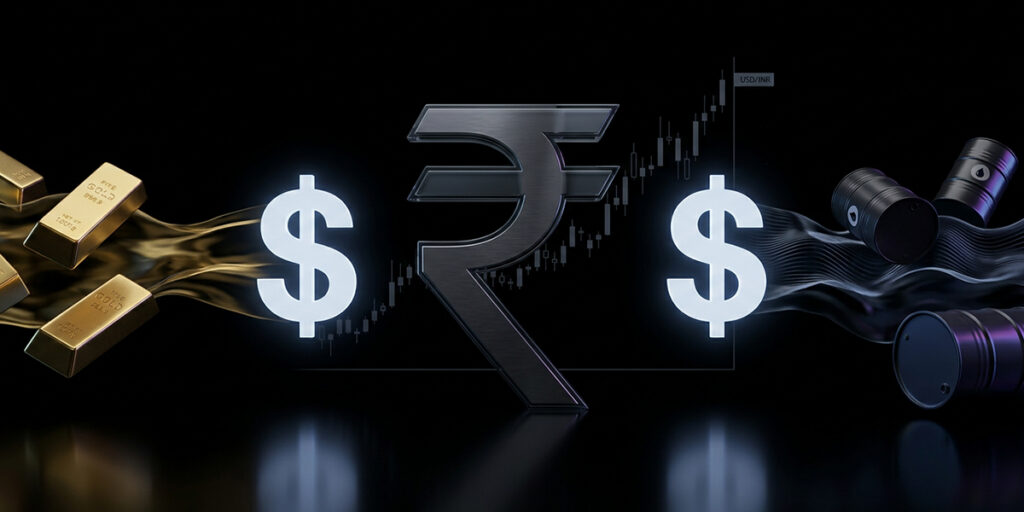
Rising crude oil prices, geopolitical tensions in West Asia, pressure on the Indian rupee, and concerns surrounding foreign exchange reserves have collectively prompted markets to adopt a more defensive stance. This marks a visible shift from growth optimism to risk management and capital preservation.
The country remains heavily dependent on imports like crude oil and gold. Both commodities are purchased in US dollars, & every surge in imports increases dollar demand and imposes pressure on the rupee.
India’s forex reserves continue to be strong by emerging market standards, hovering around the $690 billion range according to public economic data. But maintaining reserve stability becomes increasingly important during periods of global uncertainty. The IMF has also projected that India’s current account deficit could increase in 2026, indicating that dollar outflows may rise if import pressures remain elevated. This is where gold becomes highly relevant.
India is one of the world’s largest consumers of gold, and nearly all of it is imported. Gold demand traditionally rises as investors seek safer assets during times of uncertainty. However, for an import-driven economy, increased gold purchases directly translate into higher dollar outflows.
To be more precise, when Indians buy more gold, importers must purchase more dollars from the forex market. That additional dollar demand weakens the rupee and creates pressure on India’s foreign exchange reserves.
This concern becomes critical when crude oil prices are rising equally.
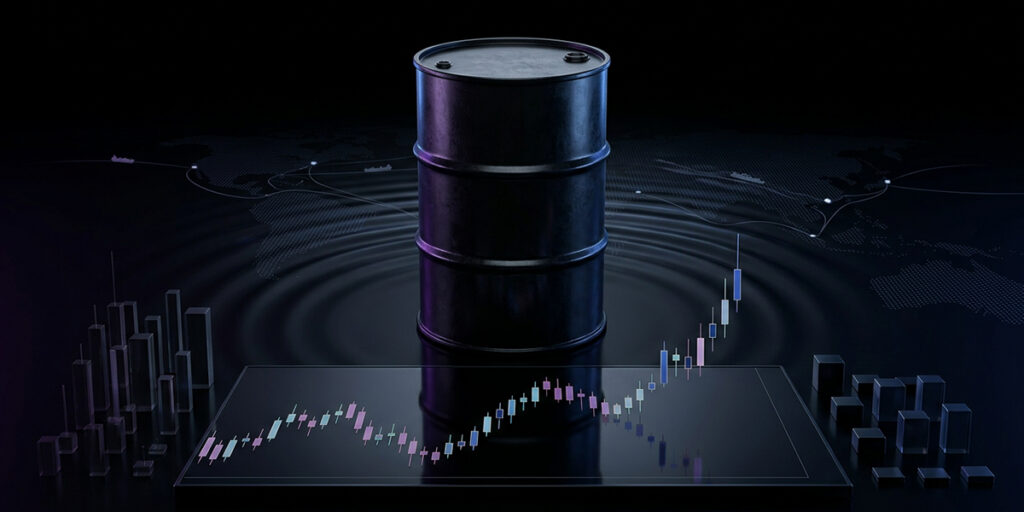
India imports a major portion of its energy requirements, making the economy highly sensitive to oil price fluctuations. Geopolitical instability surrounding oil-producing regions and shipping routes has already created volatility across global energy markets. As crude prices climb, India’s import bill expands, increasing inflation risks and weakening the rupee further. This creates a highly sensitive macroeconomic environment for traders.
The market is no longer focused purely on growth expectations. Instead, traders are pricing in the possibility of prolonged inflation pressure, elevated oil prices, and continued currency volatility. This is precisely why PM Modi’s speech carries weight beyond politics.
The government’s message suggests preparation for a scenario where:
- Oil prices remain elevated for longer.
- Import inflation continues to rise.
- Dollar demand stays strong.
- Market volatility remains high.
For traders, this changes how risk is approached.
Economically stable conditions allow traders to prioritise aggressive positioning, higher leverage, and momentum-driven trades. When it comes to uncertain environments, capital preservation, disciplined execution, and macroeconomic awareness become more important.
The shift is already visible in the forex market.
The USD/INR pair remains one of the most closely watched indicators of economic sentiment in India. Rising crude oil prices and growing demand for dollars support bullish momentum in USD/INR, while geopolitical uncertainty strengthens safe-haven demand for the US dollar globally.
At the same time, traders are closely monitoring RBI intervention expectations. Whenever pressure on the rupee intensifies, markets begin speculating on whether the Reserve Bank of India may come into the picture & stabilise excessive volatility.
Gold markets are getting increased attention.

Gold is considered to perform well during periods of geopolitical uncertainty and inflation fears. But the recent price behaviour has reflected a more complex environment where rising interest rate expectations, oil-driven inflation concerns, and dollar strength continue to influence commodity flows.
For Indian markets, reducing physical gold demand could potentially provide relief to the current account deficit. Even a moderate decline in imports could reduce dollar outflows, easing some pressure on the rupee during volatile periods.
PM Modi’s appeal also extends beyond forex markets.
Travel-related sectors, airlines, hospitality businesses, and luxury spending categories may experience softer sentiment if consumers become more cautious with discretionary spending. Meanwhile, sectors linked to fuel consumption and imported commodities could face slower growth expectations if defensive economic behaviour strengthens. However, the broader takeaway for traders is psychological.
The current market environment rewards discipline more than speculation.
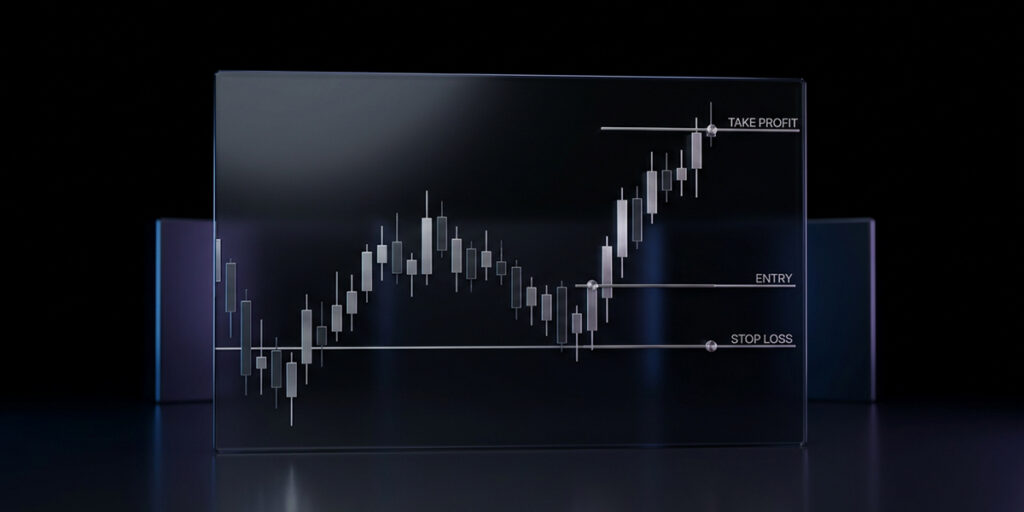
Periods of geopolitical uncertainty often expose emotional trading behaviour. Traders become vulnerable to overtrading, impulsive decision-making, and excessive risk-taking in response to rapid market movement.
Successful forex traders understand that risk management is the solution during volatile periods.
High-volatility environments can create strong trading opportunities through momentum-driven setups, breakout movement, and increased price action. These opportunities favour traders who maintain discipline, proper position sizing, and macroeconomic awareness.
The market currently demands a more mature trading approach.
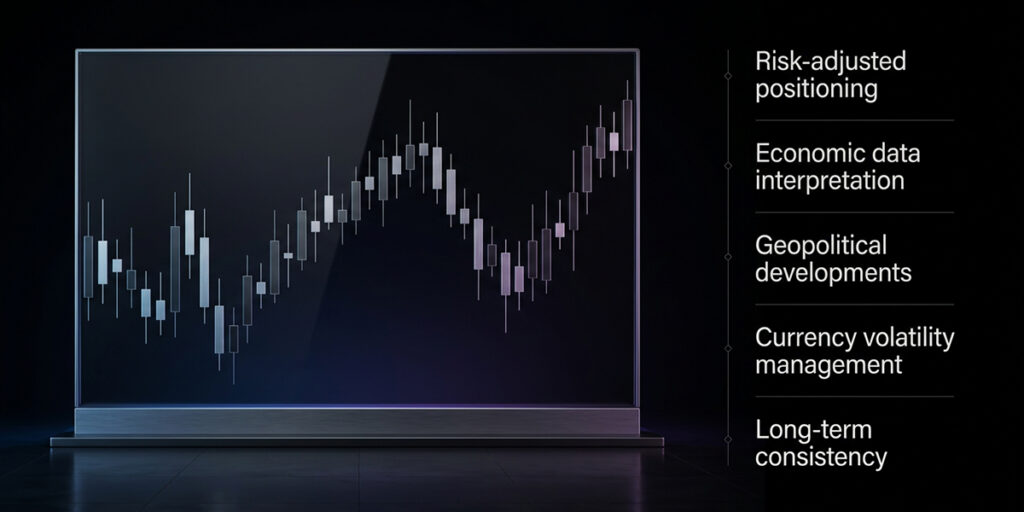
During this period, traders should focus on
- Risk-adjusted positioning
- Economic data interpretation
- Geopolitical developments
- Currency volatility management
- Long-term consistency
The market environment ahead may remain uncertain, especially if crude oil prices stay elevated and geopolitical tensions continue impacting global trade routes and energy markets.
PM Modi’s message ultimately reflects a broader economic reality: preserving financial stability may become more important than aggressive growth in the near term.
This signals a market environment where discipline, adaptability, and macroeconomic awareness will likely define long-term success more than short-term speculation.
The traders who survive volatility are the ones who understand the bigger picture before the charts react.
Create a live VT Markets account today to access our platform features, including market insights and educational content.








