






Key Takeaways:
- Gold remains in a medium-term uptrend, supported by trade tensions, geopolitical risk and sustained central bank demand.
- The main headwind for further upside is the U.S. dollar strength, which continues to cap rallies in the short term.
- Technically, price holding above the 50-day and 200-day moving averages keeps the bullish structure intact.
- A retest of 5,600 within one to two months is likely if geopolitical uncertainty persists and the U.S. dollar stabilises or weakens.
- Traders should focus on buying pullbacks, confirmed breakouts, and disciplined risk management amid elevated volatility.
Gold has entered a critical phase. The question is no longer whether momentum is strong enough to challenge its recent all-time high at 5,600, but whether the market has sufficient fuel to do so within the next one to two months.
In recent weeks, gold has hovered near record territory, punctuated by periodic pullbacks whenever the U.S. dollar strengthens or profit-taking intensifies. This creates a delicate balance between bullish structural forces and short-term corrective pressure.
Fundamental Analysis: Why Gold Retains Structural Support
Trade Tensions and U.S. Tariffs Support Gold (XAUUSD) as Safe-Haven Demand Rises
Global trade uncertainty remains elevated. Ongoing discussions surrounding tariffs and potential expansion of U.S. trade measures continue to inject caution into markets.
Tariffs tend to raise import costs, adding inflationary pressure, while simultaneously slowing global growth. This combination of rising inflation and weakening growth expectations typically supports demand for defensive assets.
Gold has historically benefited during such periods of reduced economic visibility, serving as a hedge against policy uncertainty and erosion of purchasing power.
U.S.–Iran Tensions: Geopolitical Risk Premium Remains Elevated
Geopolitical risks, particularly between the United States and Iran, continue to underpin safe-haven demand. Even when negotiations appear constructive, the underlying risk of escalation remains.
Such uncertainty typically increases risk aversion and energy price volatility, both of which are supportive of gold. This geopolitical risk premium helps sustain investor interest, especially during broader market stress.
Central Bank Gold Purchases Sustain Long-Term Demand for XAUUSD
Beyond short-term headlines, central bank gold purchases represent a powerful structural force.
Over the past year, official institutions have continued to accumulate gold at historically elevated levels. This strategic demand is fundamentally different from speculative flows and often provides a strong buffer during price corrections, helping limit downside over the medium term.
Stronger U.S. Dollar Limits Gold Rally Potential
The principal obstacle to a renewed gold rally remains the U.S. dollar.
A strengthening dollar tends to cap upside in gold, as metal becomes more expensive for non-dollar buyers. Recent pullbacks in gold have largely coincided with periods of dollar firming and profit-taking.
For gold to sustain a push towards 5,600, markets would likely require:
- A stable or weakening U.S. dollar.
- Continued geopolitical uncertainty.
- Persistent inflationary or macroeconomic stress.
Technical Analysis: What Price Action Signals for Gold
Gold Holds Above 50-Day MA as 200-Day MA Confirms Uptrend
From a structural perspective, gold remains firmly in an uptrend.
As long as price holds above the 50-day moving average, short- to medium-term momentum remains constructive. Meanwhile, the 200-day moving average sits comfortably below current price, confirming that the broader bullish trend remains intact.
Under these conditions, pullbacks should be viewed as corrective phases rather than trend reversals.
Gold RSI Signals Momentum Consolidation, Not Trend Reversal
The Relative Strength Index (RSI) should be treated as a momentum gauge rather than a direct trading signal.
When RSI retreats from overbought levels, it typically reflects consolidation within an ongoing uptrend. What matters most is whether price can stabilise and rebuild momentum without breaking key support levels.
RSI should confirm the broader structure — not dictate trades in isolation.
Gold (XAUUSD) Tests 5,600 All-Time High Resistance
All-time highs represent powerful psychological levels.
As price approaches resistance, profit-taking often increases. However, once broken decisively, these levels frequently attract strong breakout flows.
For gold to revisit and potentially break 5,600 within the next one to two months, the market would likely need to:
- Consolidate below resistance.
- Reclaim intermediate resistance zones.
- Approach the level with sustained bullish momentum.
Gold 1–2 Month Scenarios: Path Toward 5,600 Breakout
| Scenario | Market Conditions | Projected Outcome |
| Base Case | Persistent tariff friction, elevated geopolitical risk, and a stable/weakening USD. | Retest of 5,600 |
| Alternative Case | Aggressive USD strengthening or a transition into a high-confidence “risk-on” environment. | Deeper Correction (Trend delay, not invalidation). |
Practical Trading Strategies for Gold
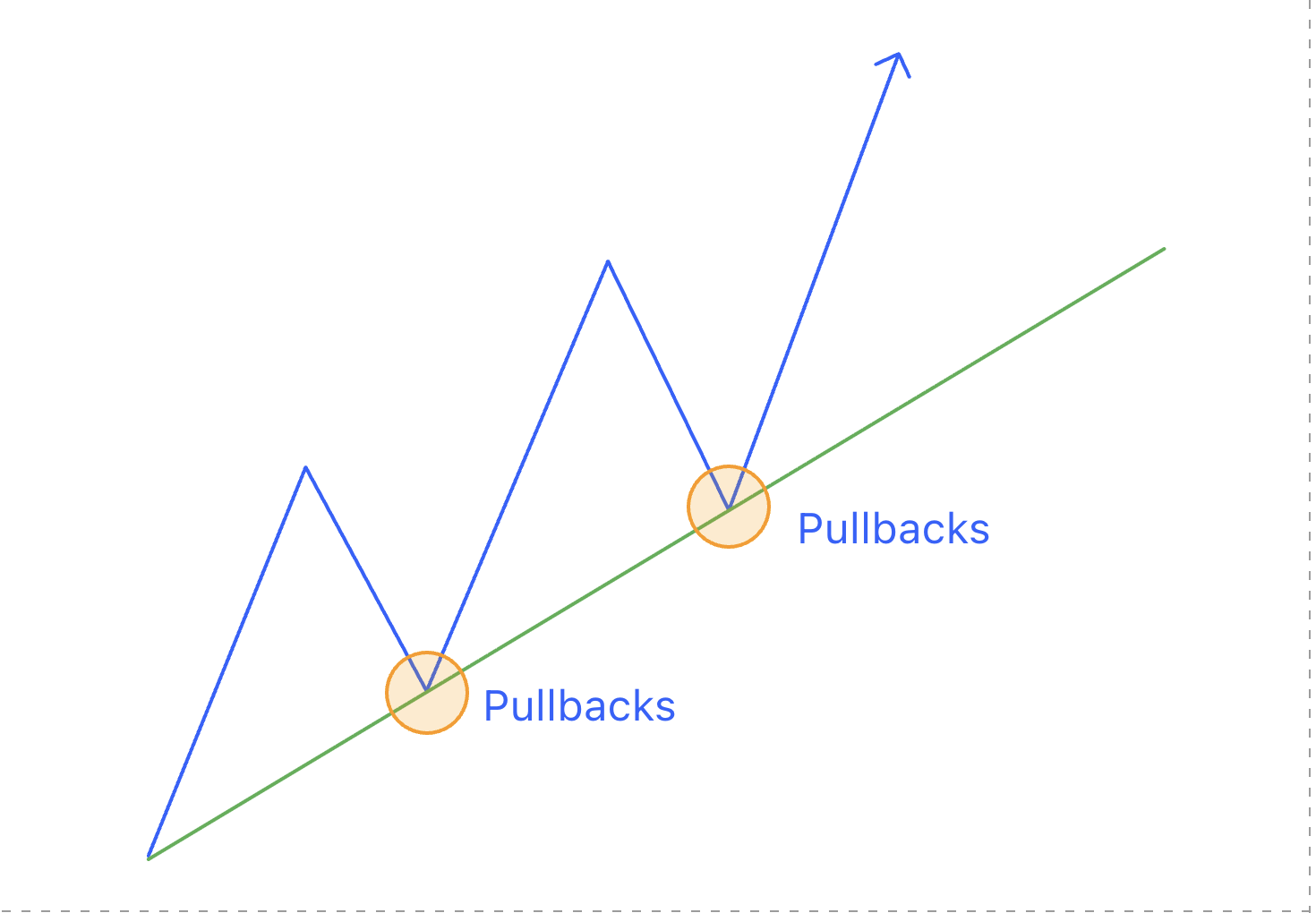
Buying Pullbacks in an Uptrend
When structural momentum remains bullish, retracement-based strategies tend to perform well. Traders may consider buying near key support zones, provided price holds above critical moving averages.
Risk should always be clearly defined, with stop-loss levels placed at points where the trade premise becomes invalid.
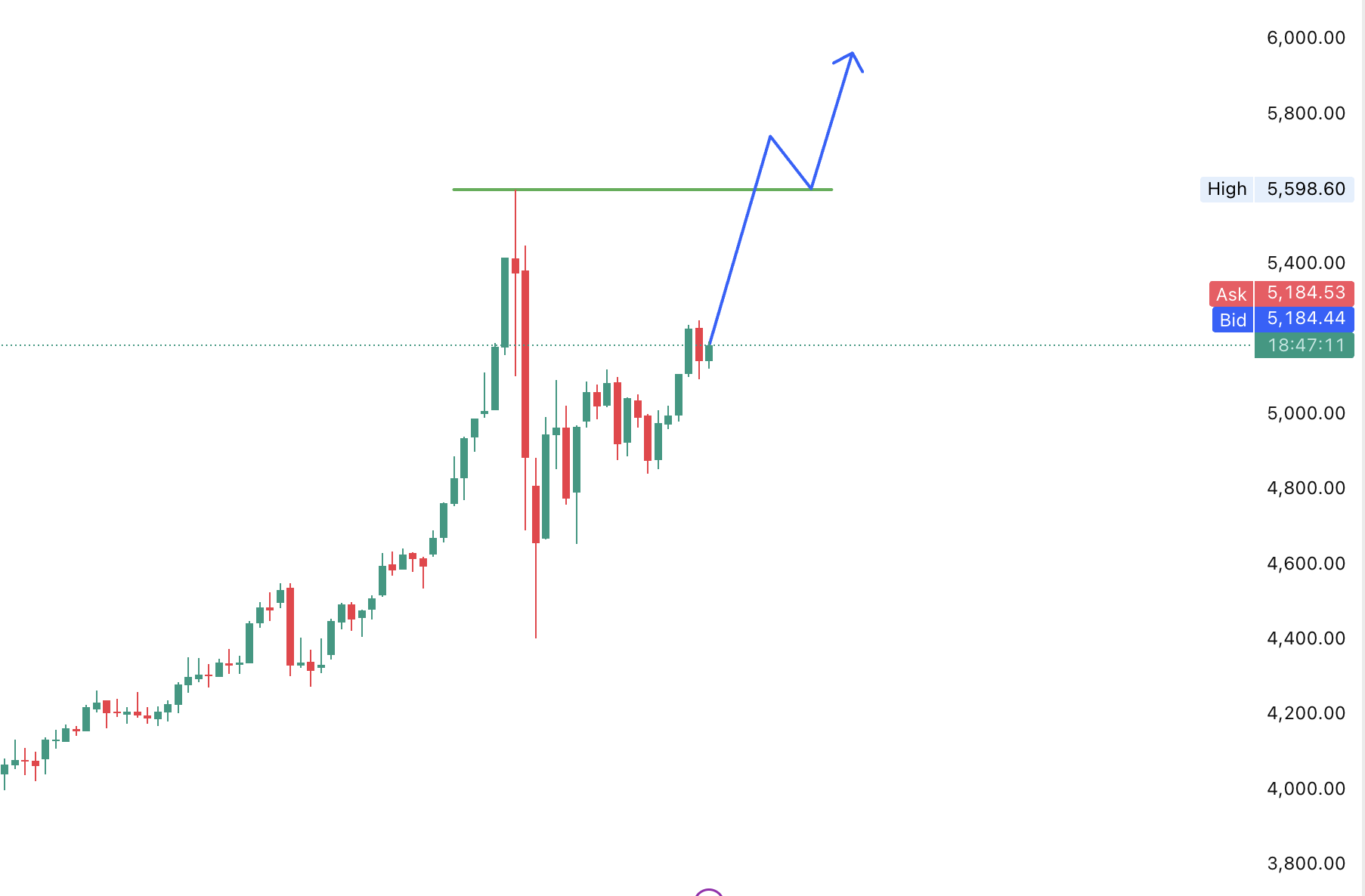
Trading Breakouts Above 5,600
A decisive break above 5,600 opens the door to breakout strategies. However, chasing the initial surge often leads to poor risk-reward outcomes.
More effective execution typically involves waiting for confirmation, such as a daily close above resistance or a controlled pullback following the breakout.
Breakouts are more sustainable when supported by strong macro catalysts, particularly a weakening U.S. dollar or renewed geopolitical stress.
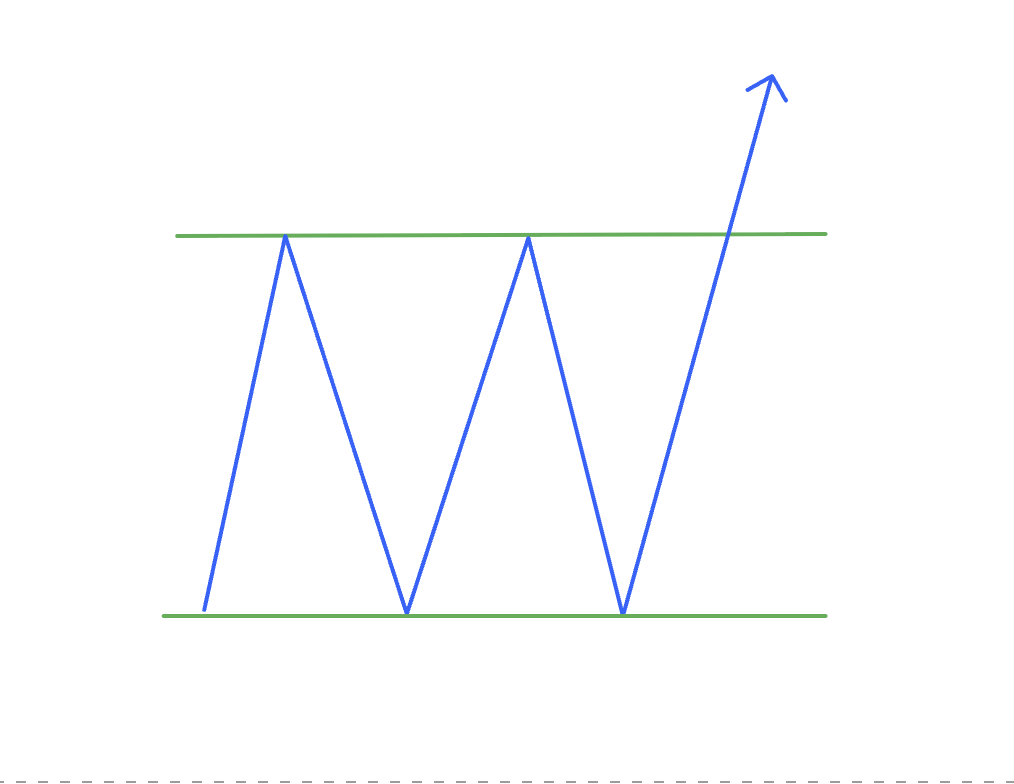
Navigating Consolidation Ranges
If gold enters sideways consolidation near its highs, range-based strategies become more suitable. This involves buying near support, selling near resistance, and maintaining reduced position sizes.
Range environments often produce false breakouts and sharp intraday volatility, making disciplined risk control essential.
Risk Management: The Critical Edge
Gold frequently experiences sharp movements following geopolitical or macroeconomic headlines. Robust risk management is therefore essential.
Key principles include:
- Avoiding new positions immediately before major news events.
- Maintaining strict stop-loss discipline.
- Limiting leverage during high-volatility periods.
Preserving capital remains the foundation of long-term trading success.
What Traders Must Know
Gold is approaching a critical technical and macro inflexion point. Near-term direction will depend heavily on U.S. dollar strength, geopolitical developments, and price action around the 5,600 resistance level.
As long as price remains above the 50-day and 200-day moving averages, the broader bullish structure stays intact, favouring buy-the-dip strategies and selective breakout setups. However, elevated volatility means patience and disciplined risk management are essential, particularly around major macro and geopolitical headlines.
Traders should remain flexible, focus on execution rather than prediction, and allow price action to guide positioning.
Frequently Asked Questions (FAQs)
Q1: Can gold realistically reach 5,600 within the next one to two months?
Yes, a retest of 5,600 is achievable if geopolitical tensions remain elevated, trade uncertainty persists, and the U.S. dollar does not strengthen aggressively. Technical structure currently supports further upside, provided key support levels hold.
Q2: What is currently driving gold prices higher?
The main drivers include ongoing trade tensions, geopolitical risks (particularly in the Middle East), strong central bank buying, and persistent inflation concerns. Together, these factors underpin demand for safe-haven assets.
Q3: What could prevent gold from reaching new highs?
The biggest risk is sustained U.S. dollar strength. A clear shift towards risk-on market sentiment or aggressive tightening of financial conditions could also trigger deeper corrections in gold
Q4: Is gold still a good hedge in 2026?
Gold continues to serve as an effective hedge against inflation, geopolitical uncertainty, and systemic risk. Central bank accumulation further reinforces its role as a long-term portfolio stabiliser.
Q5: What technical levels should traders monitor most closely?
Traders should watch the 50-day and 200-day moving averages for trend confirmation, along with price behaviour near the 5,600 resistance zone. A decisive break or rejection at this level will likely shape a near-term direction.
Q6: Is it better to buy gold now or wait for a pullback?
In an uptrend, buying pullbacks toward key support levels generally offers better risk-reward than chasing breakouts. However, confirmed breakouts above 5,600 may also present opportunities if supported by strong macro catalysts.
Q7: How volatile is gold likely to be in the coming months?
Volatility is expected to remain elevated due to geopolitical developments, shifting interest rate expectations, and currency fluctuations. This reinforces the importance of disciplined risk management.










