






Key Takeaways
- Crypto is a 24/7 global market offering continuous trading opportunities.
- Traders can speculate on price movements via CFDs without owning crypto.
- Major pairs like BTCUSD and ETHUSD are best for beginners.
- Prices are influenced by sentiment, macro trends, and institutional adoption.
- Leverage increases profit potential, but only when smart risk management is in place..
Beyond Digital Money
Cryptocurrency has evolved far beyond a niche experiment. What started with Bitcoin has grown into a global, multi-trillion-dollar market that trades around the clock and reacts instantly to economic shifts, investor sentiment, and technological developments.
For beginners, crypto trading offers unique advantages such as 24/7 market access, high volatility, and constant opportunities. Unlike traditional markets, crypto never sleeps, allowing traders to open positions for pairs like BTCUSD, ETHUSD, and SOLUSD at any time. This flexibility ensures that traders can participate regardless of time zone or schedule.
If you still think crypto is just about buying and holding coins, it’s time to think again.
Myths vs Reality
Crypto trading is often misunderstood, especially by newcomers. Let’s clear up a few common misconceptions.
Myth 1: You Must Own Crypto to Trade It
Reality: Modern trading platforms allow you to trade cryptocurrencies without owning the underlying asset. Through CFD (contract for difference) trading, you can predict price movements in major cryptocurrencies like BTCUSD, ETHUSD, and SOLUSD, whether prices will go up or go down.
This means you don’t have to worry about things like wallets, private keys, or blockchain transfers, making crypto trading more accessible for beginners who want exposure without technical complexity.
Myth 2: Crypto Is Purely Speculative and Unpredictable
Reality: While crypto markets are volatile, they are not random. Prices move based on clear factors like macroeconomic conditions, network upgrades, institutional adoption, and overall market sentiment.
With proper analysis, risk management, and discipline, crypto trading becomes a structured and strategic activity rather than guesswork.
Myth 3: Crypto Trading Is Only for Tech Experts
Reality: You don’t need to be a tech expert to trade crypto. Today’s platforms offer intuitive interfaces, educational resources, and demo accounts that allow beginners to learn price behaviour, technical analysis, and trade execution step by step.
Crypto trading isn’t just for tech experts or early adopters anymore — it’s open to anyone who wants to learn, regardless of their background.
Benefits of Trading Crypto CFDs
Cryptocurrency CFD trading enables you to speculate on the price fluctuations of digital assets without owning them.
- Going Long and Going Short: You can take a position by going long (buy) if you expect prices to rise or short (sell) if you anticipate a decline. This approach eliminates the need for digital wallets or private key management.
- Leverage: Leverage allows you to increase your market exposure, amplifying both potential profits and risks. Additionally, professional risk management tools are available to help guide your trades. However, it’s crucial to understand that CFDs are leveraged products, and losses may exceed your initial deposit.
- Wider Range of Crypto Options: With crypto CFD, you can choose from different combinations of crypto and base currencies. For instance, VT Markets offers access to over 60 major crypto pairs, including Bitcoin, Ethereum, and selected altcoins in USD and JPY, enabling you to capture multiple trends and diversify trading opportunities.
- Efficient Execution Without Blockchain Constraints: Crypto CFDs are executed instantly on the trading platform, without network congestion, confirmation times, or gas fees impacting your trades.
- Professional Tools for Crypto Analysis: Most traders, especially beginners, can easily get started to trade with indepth analysis, advanced charts, technical indicators, and built-in risk management tools. These are all readily available as the crypto CFD market is a mature, well-developed trading environment.
How to Trade Cryptocurrency for Beginners
1. Choose Your Cryptocurrency
Select from major cryptocurrencies such as Bitcoin, Ethereum, Litecoin, and a wide range of other supported digital assets.
2. Choose Your Direction
Go long (buy) if you expect prices to rise, or go short (sell) if you anticipate a price decline.
3. Set Your Trade Size
Decide your position size and apply risk management tools such as stop-loss orders to help manage potential downside.
4. Monitor and Manage
Track market movements in real time and close your position when your profit target is reached or market conditions change.
Understanding the Major Crypto Pairs
For beginners, it’s best to start with the most popular and widely traded cryptocurrencies.
BTCUSD – Bitcoin vs US Dollar
Bitcoin is often considered the most important cryptocurrency, setting the overall direction for the crypto market. When Bitcoin moves, other cryptocurrencies often follow its lead. It has deep liquidity (meaning there are always buyers and sellers) and is widely traded by institutions, which makes its price changes smoother. This makes Bitcoin a great choice for beginners to start learning how to read market trends and price movements.
ETHUSD – Ethereum vs Us Dollar
Ethereum is not only cryptocurrency but also the backbone of decentralised finance, NFTs, and many blockchain applications. As a result, its price is influenced not just by market sentiment, but also by network upgrades, ecosystem growth, and technological developments. Ethereum tends to have more price swings than Bitcoin, offering more chances to trade, but it still has solid liquidity (easy to buy and sell), making it a good option for beginners.
SOLUSD – Solana vs US Dollar
Solana is known for its high-speed transactions and expanding ecosystem, Solana often experiences sharper price swings driven by adoption trends, network performance, and investor interest. While these price swings can bring higher rewards, they also come with more risk, meaning they require more careful management. Solana is best suited for beginners who already understand the basics of trading and are ready to manage risk.
Explore the Latest Crypto Trading Opportunities on VT Markets
In line with our expanding range of tradable assets, you can also check out the newly launched crypto offerings on VT Markets. This suite of six exciting digital assets now available for trading directly on MetaTrader 5 broadens your access to the rapidly evolving crypto market and gives you more ways to diversify your trading portfolio, whether you are looking to explore high volatility moves or hedge with alternative digital instruments. For a deeper look at these opportunities and how they fit into your broader trading strategy, visit this featured announcement.
What Moves Crypto Prices?
Understanding what causes price changes is important before you make your first trade.
Market Sentiment
Crypto prices are heavily influenced by emotions like fear and greed. News, social media, or major events can quickly change how people feel about the market, which leads to big price swings.
Macroeconomic Factors
Interest rate decisions, inflation data, and US dollar strength significantly impact crypto markets. For example, when the dollar weakens, crypto prices tend to go up. But when interest rates rise or there’s tighter control over money, it can put pressure on risky assets like cryptocurrencies.
Adoption and Regulation
When big institutions or companies start using crypto, or when there’s news about new crypto-related products like ETFs (exchange-traded funds), it can cause the market to move. Changes in government rules or regulations can also lead to sudden price changes.
Technology and Network Events
Upgrades, forks, outages, or security incidents can all influence prices, particularly for Ethereum and Solana. These events can make traders react quickly, causing prices to go up or down.
Mastering Crypto Leverage
Leverage allows traders to control larger positions with a smaller amount of capital.
VT Markets offers leverage of up to 500:1, which is significantly higher than many other platforms. While this amplifies profit potential, it also increases risk.
For beginners:
- Start with lower effective leverage
- Always use stop-loss orders
- Risk no more than 0.5%–1% of capital per trade
Leverage is a tool — not a shortcut.
A Simple Framework for Beginners in Crypto Trading
Crypto trading does not need to be complicated. A clean, repeatable approach works best.
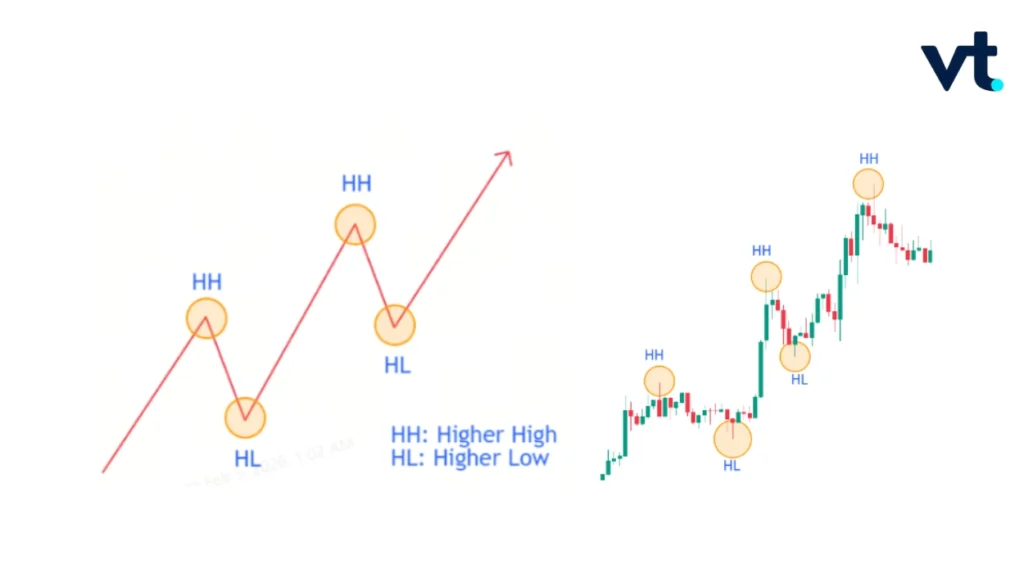
Step 1: Define the Trend
Start by looking at a larger timeframe (like daily or weekly charts) to see the overall direction of the market:
- Higher highs and higher lows = bullish
- Lower highs and lower lows = bearish
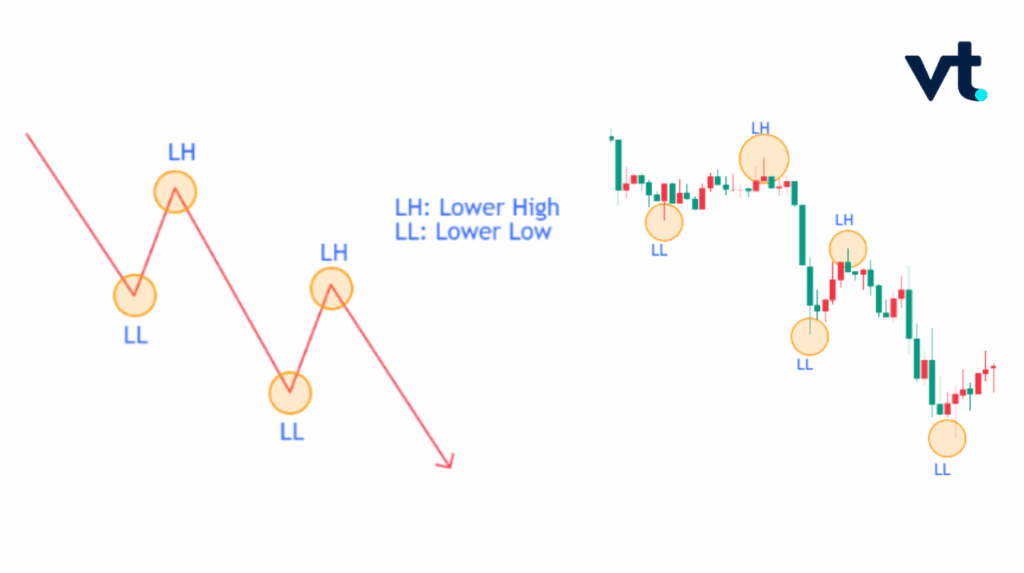
Once you’ve identified the trend, trade in the direction of the dominant trend.
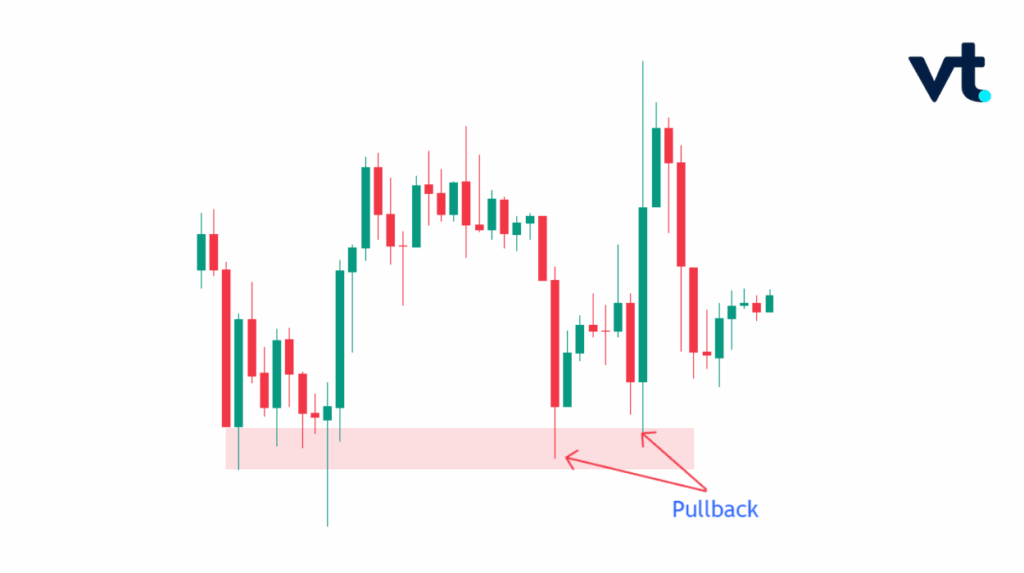
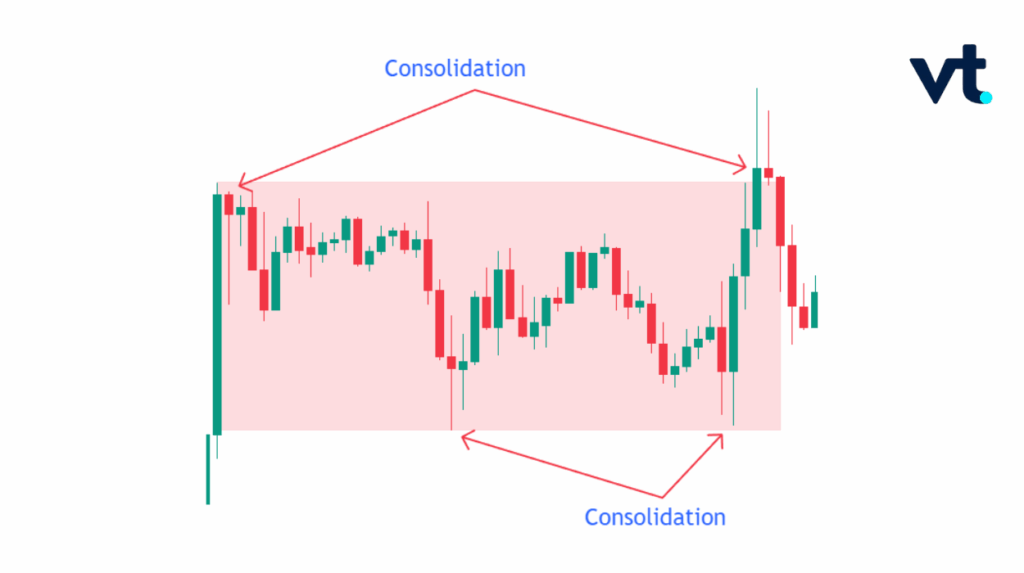
Step 2: Refine Entries
Zoom into a smaller timeframe (like hourly or 15-minute charts) to find better points to enter your trades:
- Pullbacks
- Consolidation zones
- Breakouts aligned with the higher timeframe bias
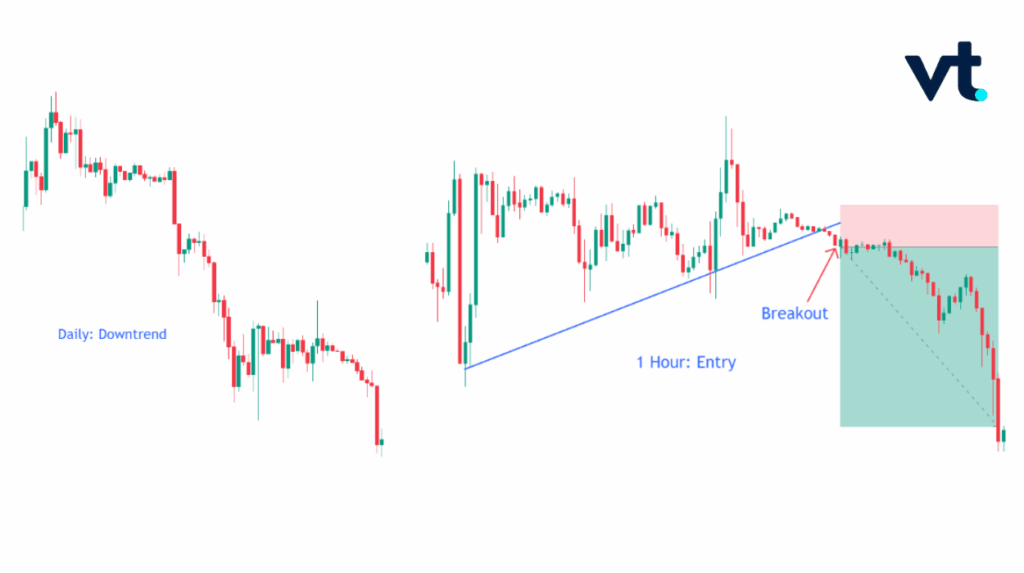
This helps you enter at the best price and manage your risk more effectively.
Step 3: Trade High-Activity Periods
Crypto volatility often increases during:
- US market hours
- Major economic data releases
- Key crypto-related news events
Higher activity typically means tighter spreads and clearer moves.
Popular Crypto Trading Strategies
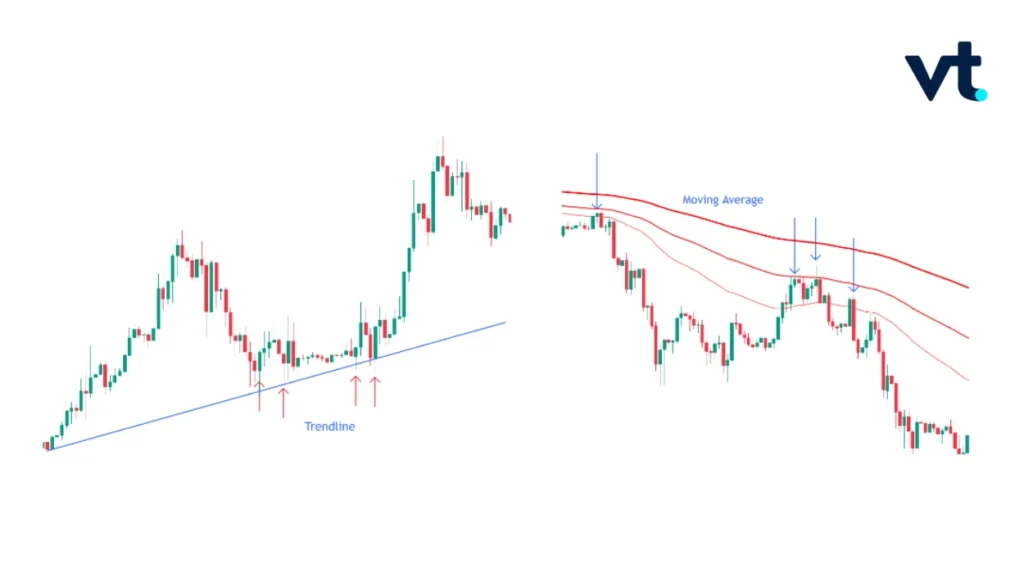
Trend Trading
This strategy involves following the overall direction of the market. You can use tools like moving averages or trendlines to help spot when the market is moving strongly in one direction.
Range Trading
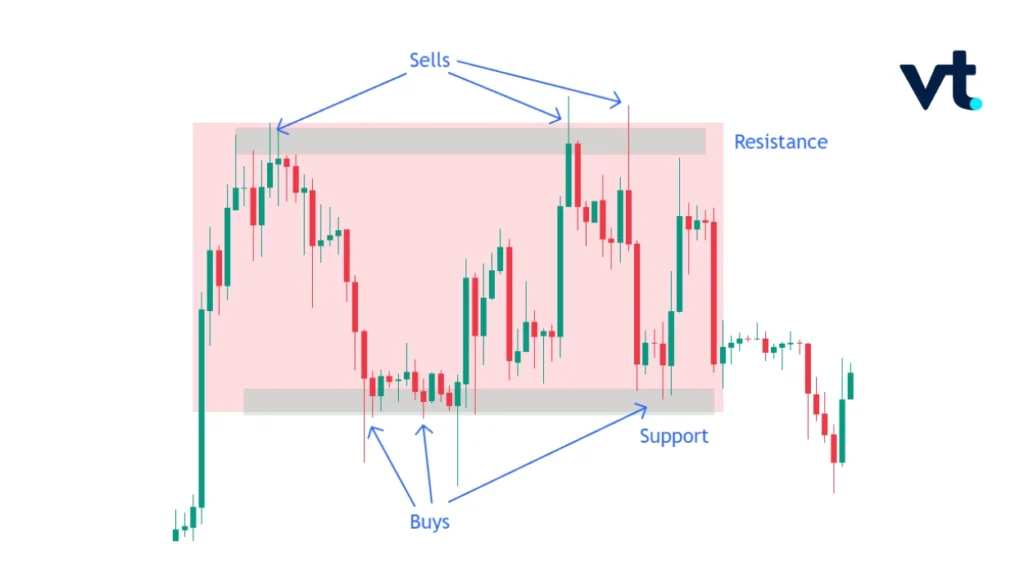
When the market is moving sideways (not trending up or down), you can buy at support (the lower price level) and sell at resistance (the upper price level). This works well during periods of price consolidation.
Breakout Trading
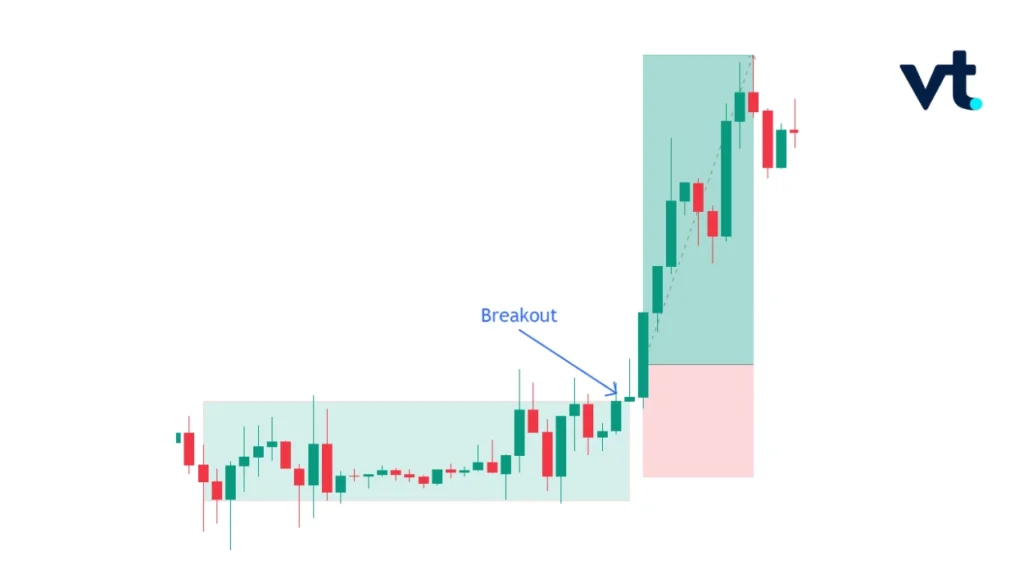
This strategy is about trading when the price breaks out of a period of consolidation. It’s common in pairs like ETHUSD and SOLUSD, where prices can suddenly move strongly after being stuck in a range.
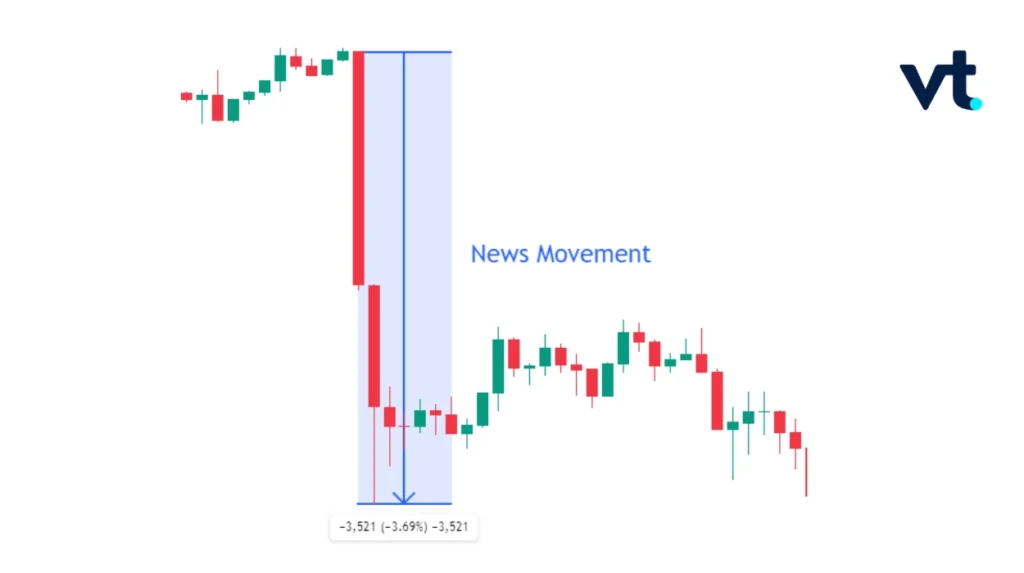
News-Based Trading
Reacting to important news or announcements can create fast price movements. However, always be aware of the risks of high volatility when trading on news.
Common Challenges for New Crypto Traders
Emotional Trading
Crypto prices can change very quickly, causing emotions like fear and greed to influence decisions. Stick to your trading plan and avoid letting emotions drive your trades.
Overtrading
Crypto markets are open 24/7 which can tempt traders to trade constantly. Remember, quality over quantity — it’s better to make fewer, well-thought-out trades than to trade too often without a plan.
Ignoring Risk Management
Using high leverage without proper risk management can quickly lead to losing all your funds. Always have a stop-loss in place and only risk what you can afford to lose.
For a more systematic way to learn crypto trading, take the full course where you can learn all the tips and tricks.
Conclusion: Your First Step Into Crypto Trading
Crypto trading offers beginners a chance to participate in fast-moving, global markets. By focusing on major pairs like BTCUSD, ETHUSD, and SOLUSD, understanding market drivers, and applying disciplined risk management, new traders can create a strong foundation for success.
With 24/7 trading access on BTCUSD, ETHUSD, SOLUSD and leverage up to 500:1, VT Markets provides the flexibility and tools needed to start your crypto trading journey with confidence.
Ready to start your crypto trading journey?
Open an account with VT Markets today and explore the rewarding opportunities in crypto trading!










