





Silver XAG Hit Record High for past 14 years: What Should I next as an investor?
Silver hit record high prices recently, driven by economic uncertainty and growing industrial use. For example, the XAU/USD pair reflected this surge, with silver reaching a high of $39.85 an ounce. What caused this surge, and what does it mean for your investments? This article covers the key factors, historical trends, and investment strategies tied to silver’s current market behavior.
Key Takeaways
- The surge in silver prices is driven by economic uncertainty, increased industrial demand, and supply constraints, revealing its dual role as both an investment and industrial commodity.
- Investors can benefit from silver through various methods such as physical ownership, ETFs, and derivatives, each presenting unique advantages and risks.
- Silver’s historical context, including previous price peaks and its role as a safe haven asset, underscores its value in a diversified portfolio and its potential for appreciation amidst economic fluctuations.
The Recent Surge in Silver Prices
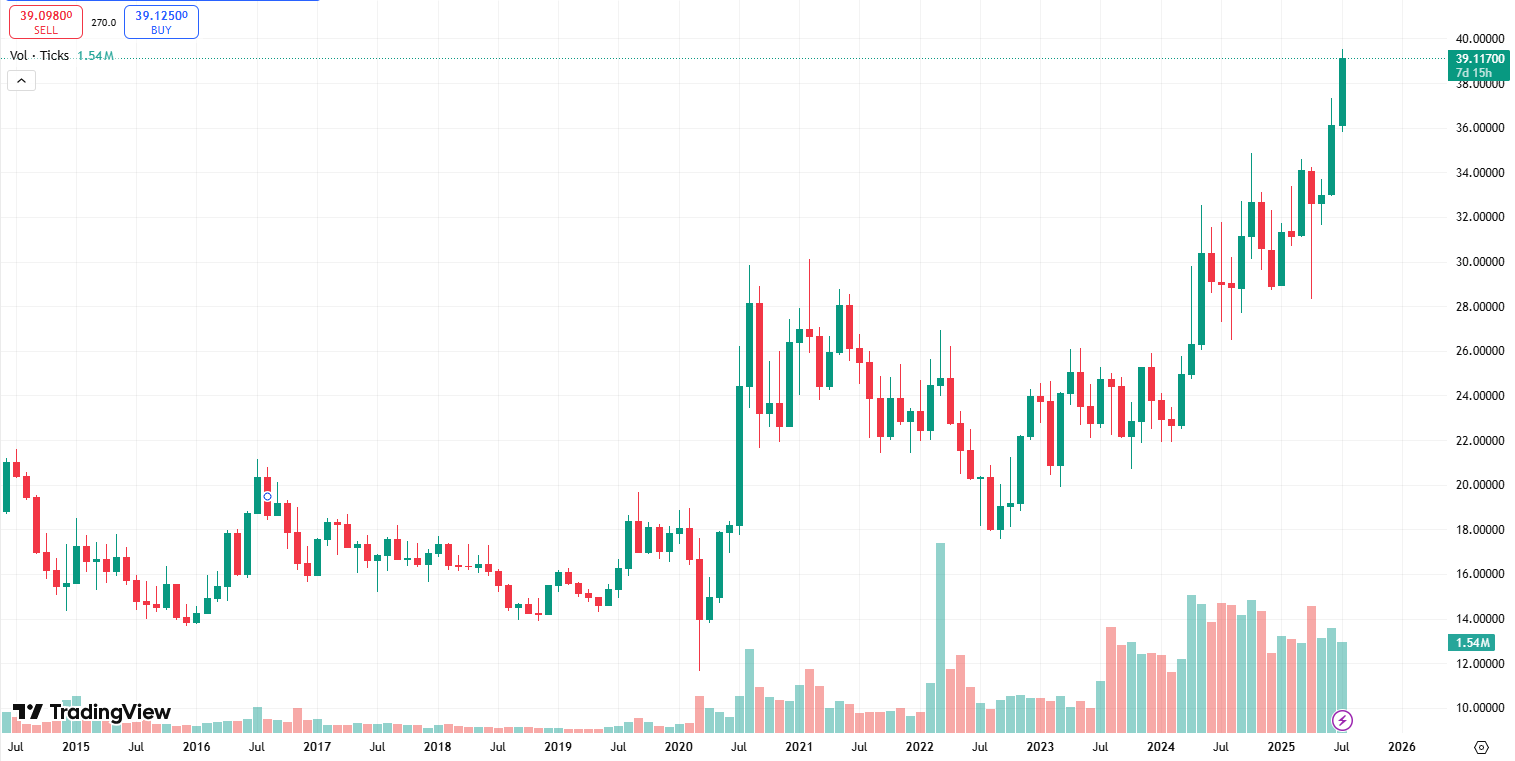
The recent rise in silver prices is a fascinating phenomenon, attributed to a combination of economic uncertainty and increased industrial demand. Silver’s unique dual role as both an investment and an industrial commodity allows it to act as a hedge during economic stress while also benefiting from growth periods. This versatility makes it a powerful tool for investors looking to diversify their portfolios and protect against market volatility.
Silver’s price movements are influenced by a complex interplay of factors. Its investment value is driven by its status as a precious metal, similar to gold silver platinum, while its industrial utility stems from its critical applications in various sectors, including renewable energy and electronics. Understanding this dual nature is crucial for grasping the reasons behind the recent price surge.
Gaining a full appreciation of the dynamics at play involves exploring the specific drivers behind silver’s price increase. These include economic factors, industrial demand, and supply constraints, each of which plays a significant role in shaping the market landscape.
Economic Drivers
Economic uncertainty has always been a significant driver of silver prices. For instance, during the European debt crisis in 2011, investor uncertainty led to silver prices surging to approximately $50 per ounce. Changes in interest rates by the US Federal Reserve also play a crucial role, with lower rates generally boosting demand for silver as investors seek alternatives to low-yielding bonds.
Inflation rates and key economic indicators, such as consumer sentiment and the production price index, particularly influenced by trends in the Chinese economy, directly affect silver price fluctuations. These factors combine to create a volatile environment where silver can serve as both a safe haven and a growth asset.
Industrial Demand
Silver’s role as an industrial metal cannot be overstated. Factors driving higher industrial demand for silver include:
- Improvements in solar panel technology and the growth of renewable energy technologies, increasing silver consumption due to its critical role in photovoltaic cells.
- The growth of electric vehicles.
- Advancements in electronics.
Industrial demand is a significant factor influencing the price of silver, particularly due to its applications in various sectors. Companies involved in these industries continuously seek silver, driving up its market value as they compete for limited supplies.
Supply Constraints
Supply constraints play a crucial role in silver’s market dynamics. Mining disruptions and stricter environmental regulations can lead to reduced silver supply, fueling price increases. Geopolitical tensions in major silver-producing countries further exacerbate supply issues, creating market uncertainty and driving up prices.
Understanding these supply constraints is vital for investors, as they directly affect market prices and investment strategies. The interplay of supply and demand in the short term can lead to significant price volatility, making it essential to stay informed about global mining activities and geopolitical developments.
Historical Context of Silver Prices
To navigate the current surge in silver prices, it’s essential to understand its historical context. Throughout history, silver has seen notable price peaks that provide valuable insights into current market dynamics. Experts predict that silver prices could reach as high as $100 per ounce, driven by persistent market deficits and increasing industrial demand.
Historical movements in silver prices indicate significant shifts influenced by various economic and industrial factors. Rising industrial demand and geopolitical factors are expected to continue elevating silver prices in the near future. This historical perspective helps investors anticipate potential future trends and make informed decisions.
The historical context is enriched by examining specific past events and comparing silver’s performance to other precious metals, particularly gold, as an example.
Previous Highs
Silver has experienced significant silver’s price peaks throughout history. In 1980, the price of silver reached nearly $50 per troy ounce, primarily driven by speculative trading and the actions of the Hunt brothers. Another notable peak occurred in 2011, when silver prices surged to approximately $50 per ounce due to heightened investment demand during the European debt crisis.
These historical highs provide context for understanding current market dynamics and investor behavior at the highest level. These past events offer valuable insights into what drives silver prices to record levels.
Comparing Gold and Silver Trends
Comparing the price movements of gold and silver reveals significant correlations and divergences influenced by various market dynamics. While both are considered precious metals, silver’s industrial demand often sets it apart from gold. China’s growing industrial capacity and demand for silver is a key factor in global silver market dynamics, affecting its pricing compared to gold.
Understanding these influences helps investors better navigate the relationship between gold and silver prices in the market. This comparative analysis highlights the unique opportunities and risks associated with investing in silver XAG versus gold XAU.
How Investors Can Benefit from Silver’s Record High
Investors can leverage silver’s high prices by diversifying their portfolios with various investment vehicles. Investing in silver involves various risks, including market fluctuations and the potential for losses in value. However, with the right strategies, silver can be a valuable addition to an investment portfolio.
There are several ways to invest in silver, each offering different benefits and risks. These include:
- Physical silver and Silver Spot US Dollar
- Silver ETFs and mutual funds
- Silver futures and options contracts Each method provides unique opportunities for investors to capitalize on silver’s record high prices.
Physical Silver & Silver Spot US Dollar
Physical silver is a tangible asset that can be stored as coins or bars, providing direct ownership and independence from digital financial systems. Investors often choose silver coins or bars for their tangible value and potential for appreciation. This form of investment offers a sense of security and control, as the physical metal is held in possession.
Another popular option is investing in Silver Spot US Dollar, which allows investors to gain exposure to silver prices without holding the physical metal. This method provides liquidity and ease of trading, as it tracks the current market price of silver in US dollars, making it a convenient alternative to physical ownership.
Owning physical silver requires secure storage and may involve additional costs for insurance and safekeeping, whereas Silver Spot US Dollar investments avoid these complexities but come with their own market risks.
Silver ETFs and Mutual Funds
Silver ETFs provide a way to invest in silver without needing to store the physical metal, making them a convenient option for investors. These financial products offer liquidity, allowing investors to easily buy and sell shares on stock exchanges, which is less cumbersome than managing physical silver.
Silver mutual funds allow for a diversified approach, spreading investments across various silver-related assets. This diversification can reduce risk and provide balanced exposure to the silver market. However, investing through financial products like ETFs introduces counterparty risks, where the issuer or custodian may default.
Silver Futures and Options Contracts
Futures and options contract are financial derivatives used by investors to manage risk and speculate in the precious metals market. Investors can utilize futures contracts to lock in prices for silver, thereby mitigating the risk of price volatility. Options contracts provide the flexibility to benefit from price movements without obligated ownership.
These derivatives offer the potential for significant profits but come with a higher risk of loss. Investors should carefully consider their risk tolerance and wealth market knowledge before engaging in futures and options trading.
Risks and Considerations in Silver Investment
Investing in silver carries various risks, including market volatility, counterparty risks, and regulatory changes, which can significantly impact investment outcomes. Silver prices have experienced significant fluctuations over the decades, driven by factors such as economic conditions, market demand, and geopolitical events.
Understanding these risks is crucial for making informed investment decisions. This section explores the specific risks associated with silver investment, including market volatility, counterparty risks, and regulatory factors.
Market Volatility
Silver prices can exhibit volatility that is two to three times higher than gold, impacting short-term investment strategies. Silver prices can fluctuate dramatically due to various economic indicators and market sentiments. This high volatility presents both opportunities and risks for investors.
Market speculation, economic conditions, and changes in industrial demand can lead to significant price fluctuations. Investors need to be aware of these factors and develop strategies to manage the inherent volatility in silver investments.
Counterparty Risks
Investors in unallocated silver trading face risks related to the reliability and solvency of the trading partner. Engaging in unallocated silver trading exposes investors to potential default risk from the trading partner. This emphasizes the importance of secure transaction practices and choosing reputable partners.
Unallocated trading can expose investors to potential losses if the counterparty defaults in the marketplace. It’s crucial to assess the credibility and financial stability of the account trades partner to mitigate these exchange risks.
Regulatory Factors
Changes in regulations can significantly influence the trading environment for silver, potentially affecting market accessibility and investor confidence. Regulatory changes can impact silver trading operations, affecting aspects like market access and compliance requirements for investors.
Investors should stay informed about regulatory developments to adapt their strategies accordingly. Changes in regulations can affect market access and operational procedures for silver trading, which in turn influences investor strategies and market dynamics.
The Role of Silver in a Diversified Portfolio
Incorporating silver into a diversified portfolio can enhance its resilience against market fluctuations. Recent economic recovery and rising inflation have significantly increased the demand for silver. Silver offers a unique balance between safety and growth potential, making it a versatile addition to any investment strategy.
Silver’s dual role as both a store of value and an industrial commodity means it can complement other investments by providing both defensive potential and participation in economic growth. Understanding the benefits of including silver in a diversified portfolio is essential for optimizing risk and return.
Safe Haven Asset
Silver is considered a safe haven during periods of economic and political instability. This is because, like other precious metals, it has enduring value. Market volatility often leads investors to seek safe-haven assets like silver, driving up its price.
In a mixed investment strategy, silver can complement other assets by providing defensive characteristics while also having the potential for price appreciation during economic recovery phases. This balance makes silver a valuable component of a diversified portfolio.
Hedge Against Inflation
Silver is often seen as a protective asset against inflation, prompting higher buying during inflationary periods. Rising inflation rates typically lead investors to favor silver as a protective asset, which can boost its price.
Silver’s effectiveness as a hedge against inflation is often compared to that of gold and other precious metals, with silver becoming increasingly appealing during inflationary trends. This makes silver a good investment during times of economic uncertainty and rising prices.
Balancing with Other Assets
Investing in silver can act as a counterbalance to other commodities, helping to reduce overall portfolio risk. Silver typically reacts differently to commodity price changes than gold; therefore, it can offer a unique diversification benefit.
A small allocation to silver within a stock-heavy portfolio can provide a hedge against stock market volatility. Adding silver to a bond portfolio can enhance returns, especially during periods of rising inflation. Silver’s liquidity can provide quick access to cash compared to traditional bonds, which may take longer to liquidate.
Future Outlook for Silver Prices
The future outlook for silver prices is shaped by several key factors, including economic indicators, technological advancements, and global market trends. The growth of renewable energy technologies, particularly solar energy, is driving up silver demand. This increased demand is expected to continue influencing silver prices in the near term.
Understanding these factors is crucial for investors looking to capitalize on future price movements in stocks. By staying informed about economic data indicators, technological advancements, and global underlying market trends, investors can make strategic decisions to maximize their returns.
Economic Indicators
Silver can act as a hedge against inflation, particularly in scenarios where inflation is driven by industrial growth rather than supply chain disruptions. Silver tends to perform well as an inflation hedge primarily when inflation is driven by industrial growth rather than external supply shocks.
Silver has historically provided a safeguard against inflation, maintaining its money value during economic downturns. Its sensitivity to market conditions makes it a valuable economic indicator, helping investors gauge future price movements.
Technological Advancements
Innovations in solar technology are leading to reduced silver usage in solar panels. Despite this reduction, overall industrial demand for silver remains strong due to its adaptability in new applications.
Technological advancements are reshaping industrial applications and demand for silver in various sectors. The adaptability of silver in new applications ensures its continued significance in the evolving industrial landscape.
Global Market Trends
China has become the largest producer of silver, influencing its market position significantly. There is a growing demand for silver in industries such as renewable energy, electronics, and medical applications.
Investment trends in silver have been increasing as investors seek to hedge against economic uncertainties and inflation. These global market trends are expected to continue driving silver prices in the future.
Summary
Silver’s recent record high prices offer a unique opportunity for investors. Understanding the economic drivers, industrial demand, supply constraints, and historical context is essential for making informed decisions. Various investment vehicles, including physical silver, ETFs, mutual funds, and futures and options contracts, provide opportunities to benefit from silver’s price movements.
However, it’s crucial to consider the inherent risks, including market volatility, counterparty risks, and regulatory factors. Including silver in a diversified portfolio can enhance resilience against market fluctuations and provide a hedge against inflation. Looking forward, economic indicators, technological advancements, and global market trends will continue to shape the future of silver prices. Stay informed and strategic to maximize your investment returns.
Stay updated with VT Markets insights and opinions to navigate the silver market effectively. Open a trading account with VT Markets to trade XAG/USD through ECN accounts and explore Silver CFDs for flexible and efficient trading opportunities.
Frequently Asked Questions
Why has silver’s price surged recently?
Silver’s price has surged recently due to economic uncertainty and heightened industrial demand. This combination fosters a strong market for silver as an investment and industrial metal.
How does silver compare to gold in terms of investment?
Silver often experiences more volatility than gold due to its industrial demand, resulting in distinct price movements. Therefore, while both metals are valuable investments, silver may offer different risk-reward profiles compared to gold.
What are the risks of investing in silver?
Investing in silver carries risks such as market volatility, which can impact prices significantly, along with counterparty risks and potential changes in regulations that could affect your investment. It is essential to consider these factors carefully before proceeding.
How can I invest in silver without buying physical metal?
Investing in silver without purchasing physical metal can be effectively done through ETFs, mutual funds, and futures or options contracts, as these methods provide liquidity and accessibility. This approach allows you to gain exposure to silver’s market movements without the need for storage or insurance.
What is the future outlook for silver prices?
The future outlook for silver prices appears positive due to rising demand from renewable energy sectors, alongside various economic indicators and technological advancements that impact global market trends. This suggests a potentially favorable environment for silver investment.








