






- In 2026, analysts expect S&P 500 earnings to grow by 15%, nearly double the 10-year average.
- While tech giants will still lead at 22.7%, the other companies are catching up with an expected growth of 12.5%, signalling a massive broadening of the market.
- Earnings season generates the price swings traders seek. Preparation determines whether those moves become opportunity or noise.

Every quarter, the world’s largest companies pull back the curtain on their finances, but in 2026, the stakes have changed.
Long-standing hardhitter S&P 500 has already forecasted an earnings growth at nearly double the 10-year average of 15.0%. Moves like these are prime indicators that the market isn’t just moving with numbers now. It’s all about the AI revolution and market broadening.
For CFD traders, this is the ultimate season of opportunity. The decisions made during the earnings season often create fast, emotional, and oversized price gaps where profit potential lives.
This article breaks down why earnings season matters more in 2026, the five trends shaping price reactions, and a structured approach to trading earnings-driven volatility.
Why Earnings Season Matters More in 2026
Earnings seasons create volatility, and for traders, volatility is the lifeblood of trading.
This played out clearly in 2025, when Meta shares frequently gapped between 4% and 11% post-earnings, thereby presenting plenty of entry opportunities.
In addition, these moves rarely stay isolated; they trigger immediate shifts in index volatility, currency pairs, and even gold, as traders scramble to rebalance their risk in real-time.
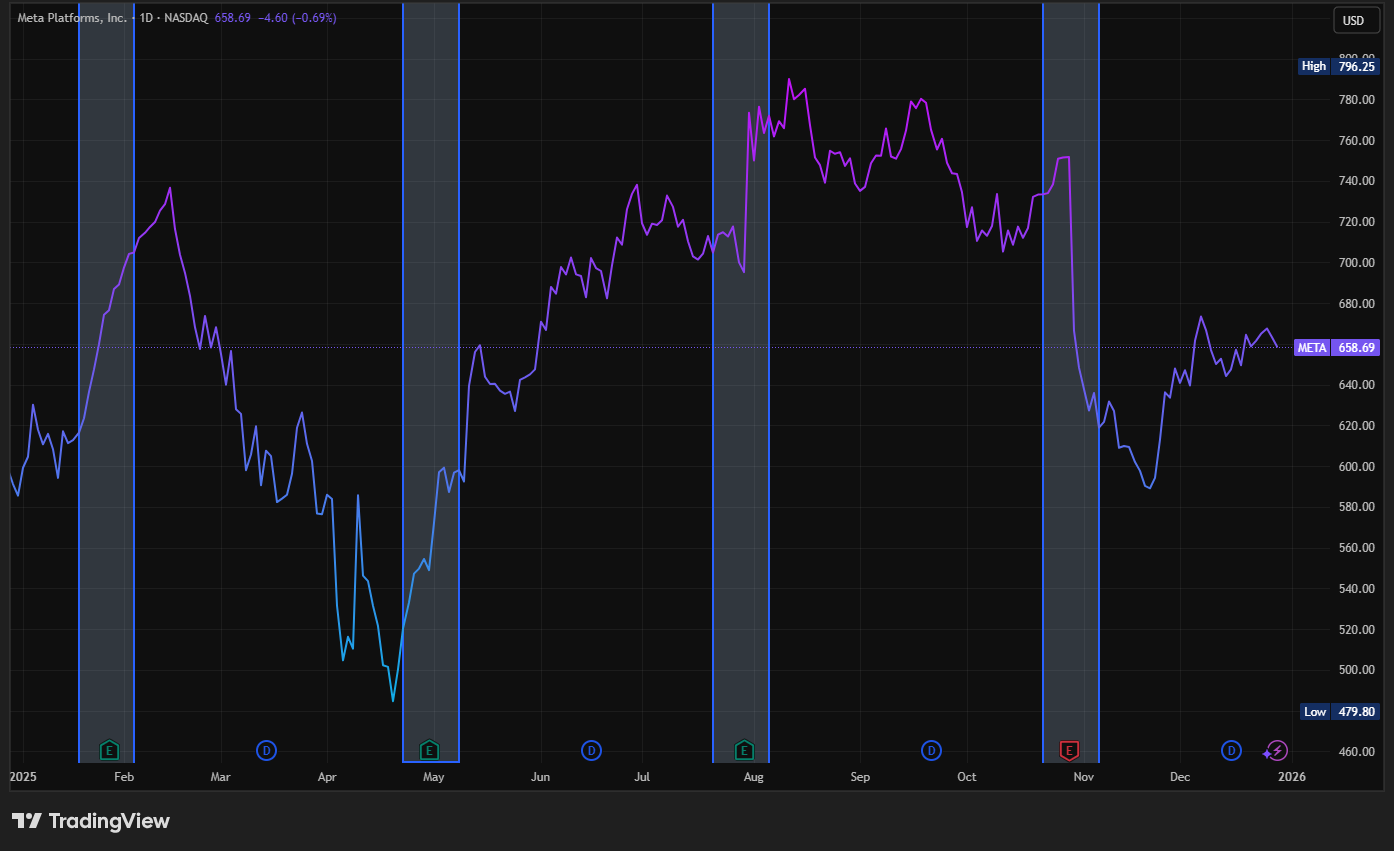
(Source: TradingView)
In 2026, this volatility window is expanding as the market moves beyond a handful of winners.
While the Magnificent 7 are still projected to lead with 22.7% growth, the other companies in the index are catching up with a 12.5% increase.
This shift means trading opportunities are no longer confined to big tech; they are rippling across the entire index like the S&P500, creating a more diversified and dynamic environment for traders to navigate.
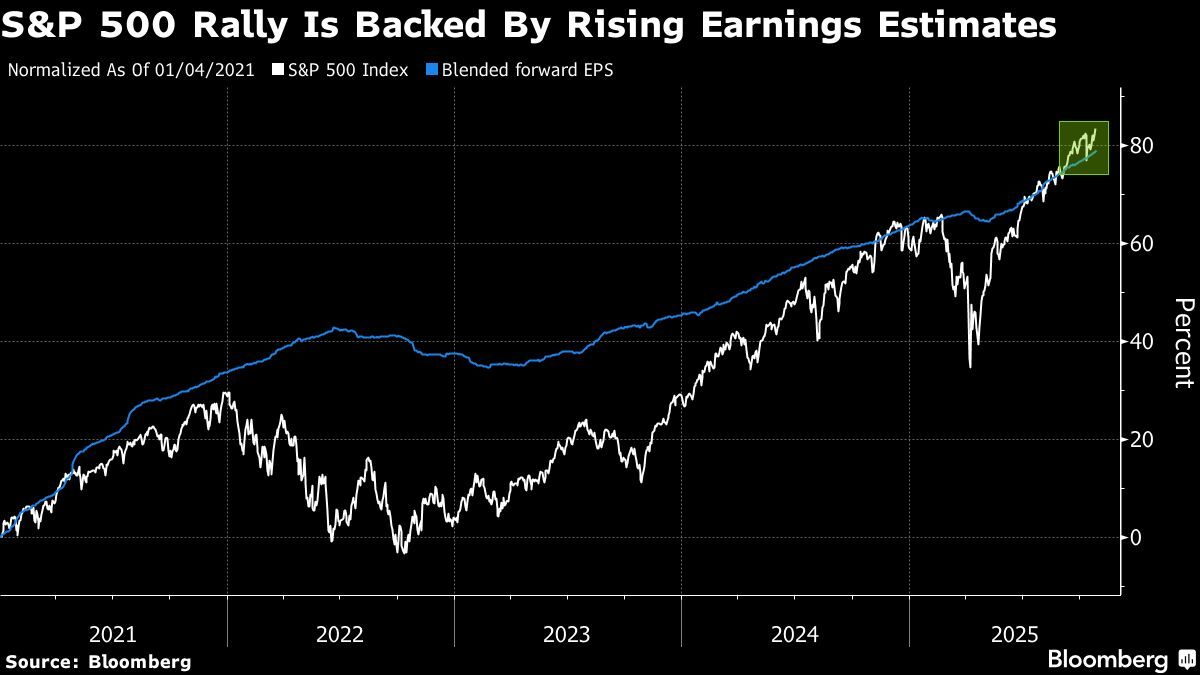
(Source: Bloomberg)
Key Earnings Trends Shaping Markets in 2026
As markets enter a new earnings cycle, five emerging trends clearly define the landscape:
- The AI ROI reality check
In 2024 and 2025, markets rewarded companies simply for investing in AI. By 2026, that phase will be over.
Investors and traders are increasingly focused on whether heavy AI spending actually improves profit margins and revenue quality. If AI spending rises but margins stay flat, earnings optimism can unwind quickly.
- Earnings growth goes beyond big tech
Earnings season in 2026 is less about chasing the biggest names and more about following sector rotation. Traders are closely watching the financials, industrials, consumer, and infrastructure sectors.
As seen in the heatmap below, while mega-cap tech still anchors index performance, more green is expected to emerge across non-tech sectors as leadership broadens through the year.
- Guidance matters more than the beat
Beating revenue, earnings, and margins is no longer enough. It means little if the forward-guidance is weak, and prices often move based on what management says about the next few quarters.
Therefore, avoid trading the initial spike and pay attention to the outlook instead. That is where sustained trends usually form.
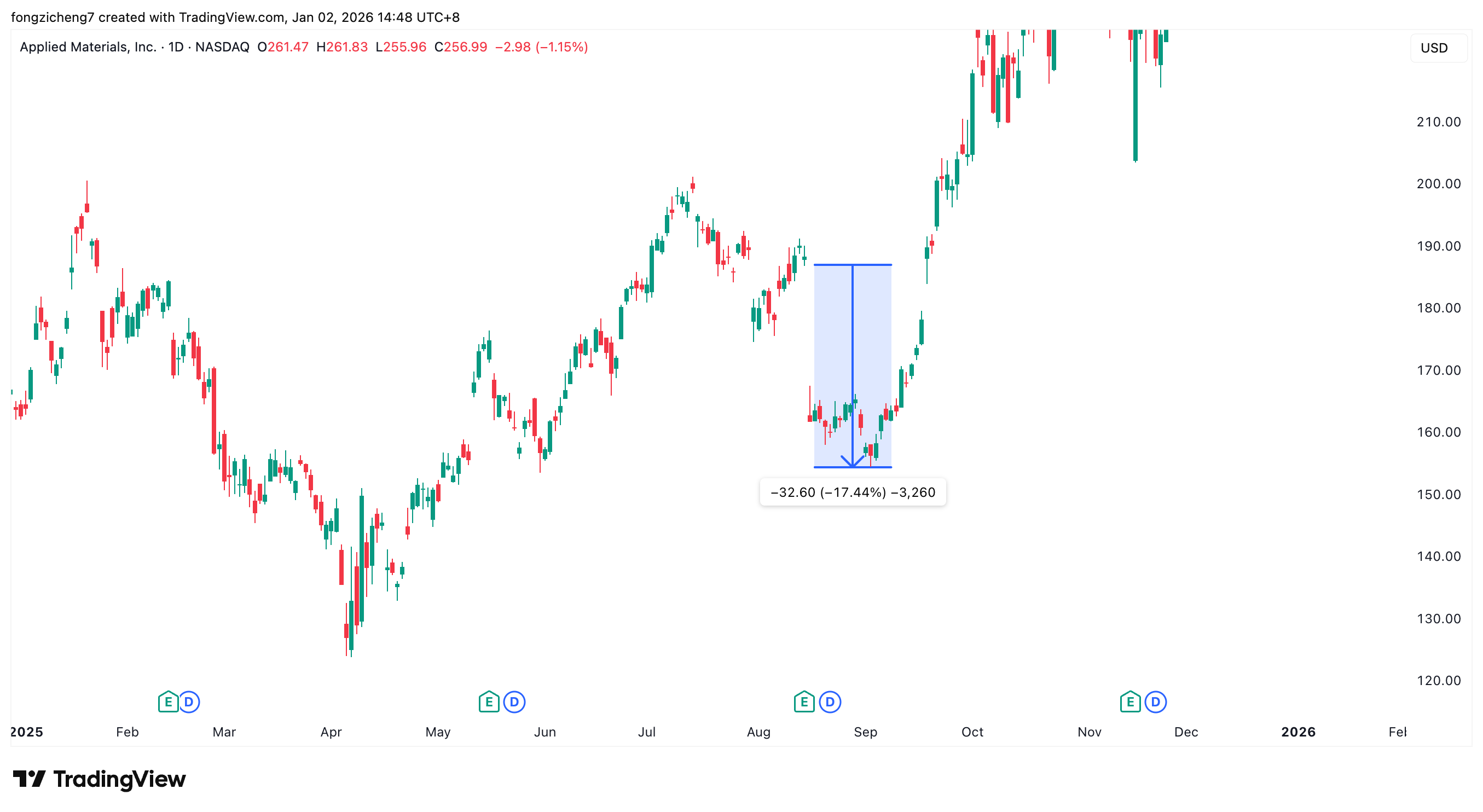
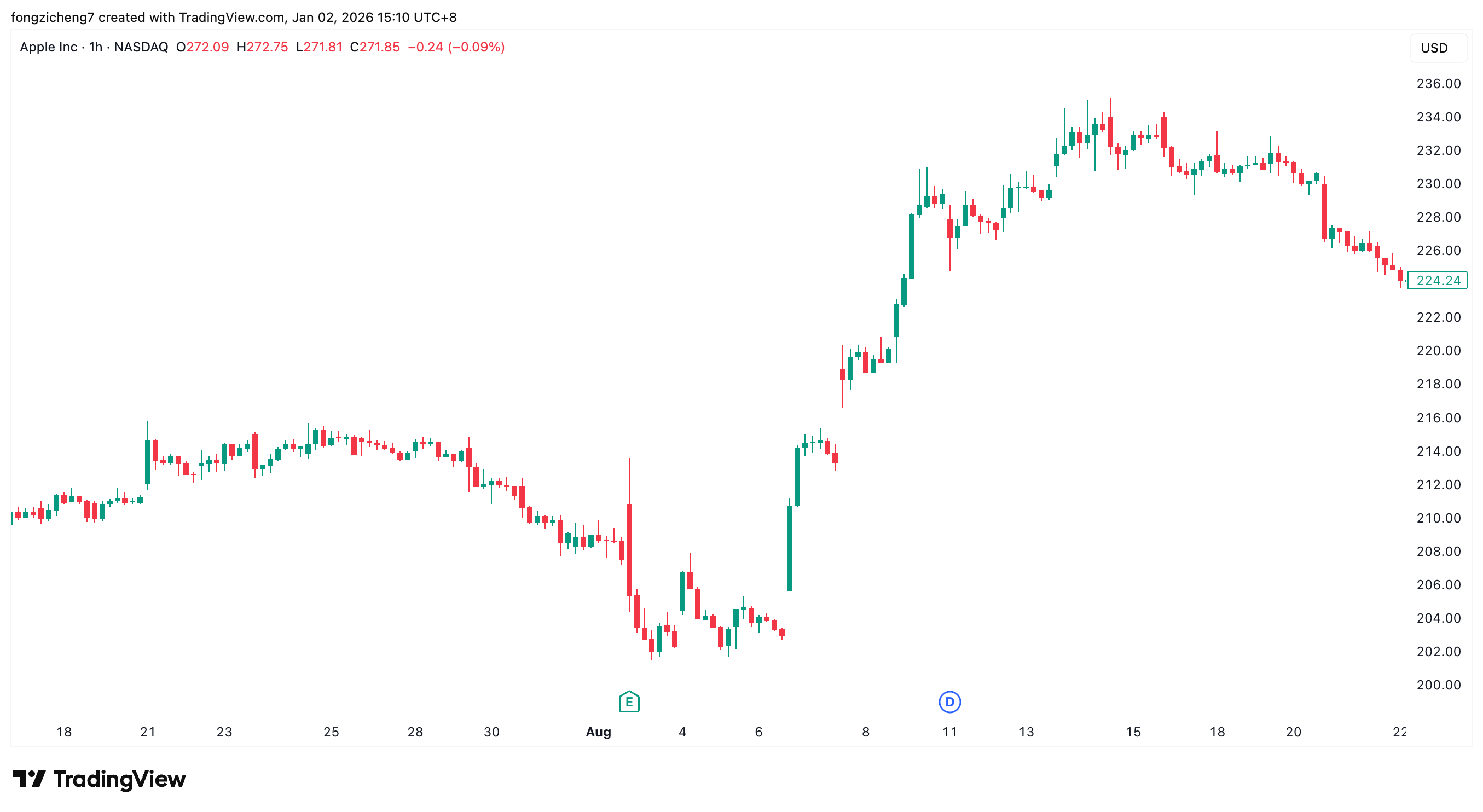
As seen in the chart below, Applied Materials posted solid earnings, but the stock fell over 14% as weak outlook outweighed strong headline results, highlighting how forward guidance drives price action.
- Indices as a volatility buffer
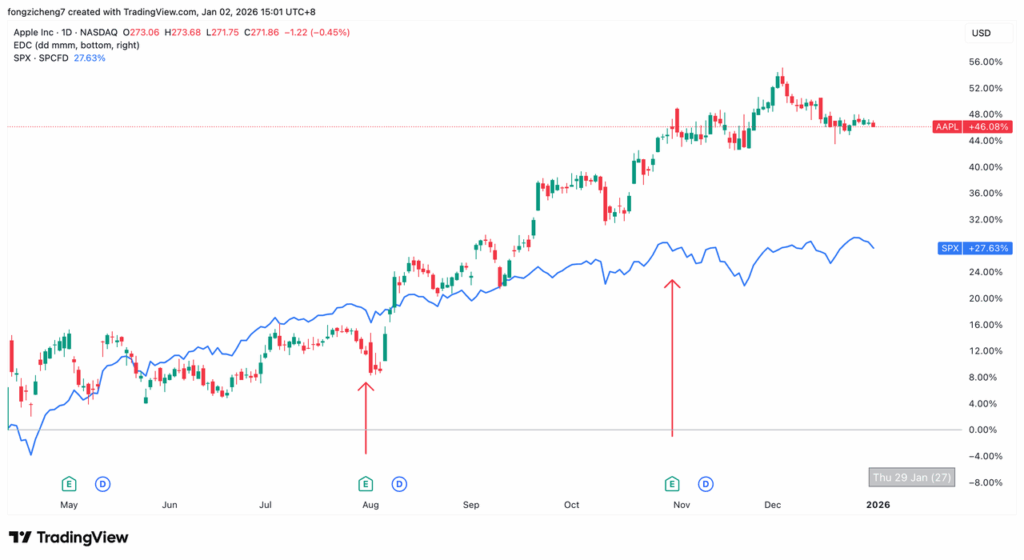
Individual stocks can gap sharply on headlines, especially around earnings season.
For traders seeking exposure to earnings-season volatility without relying on one company’s results, indices such as SP500 or NAS100 offer a more balanced alternative.
- “Whisper numbers” matter more than official estimates
Markets are increasingly reacting to unofficial expectations formed through positioning, analyst tone, and pre-earnings price action.
When a stock rallies into earnings, simply beating consensus may not be enough. Failure to exceed the market’s “whisper number” often triggers profit-taking.
Your 2026 Strategy: The Three-Phase Playbook
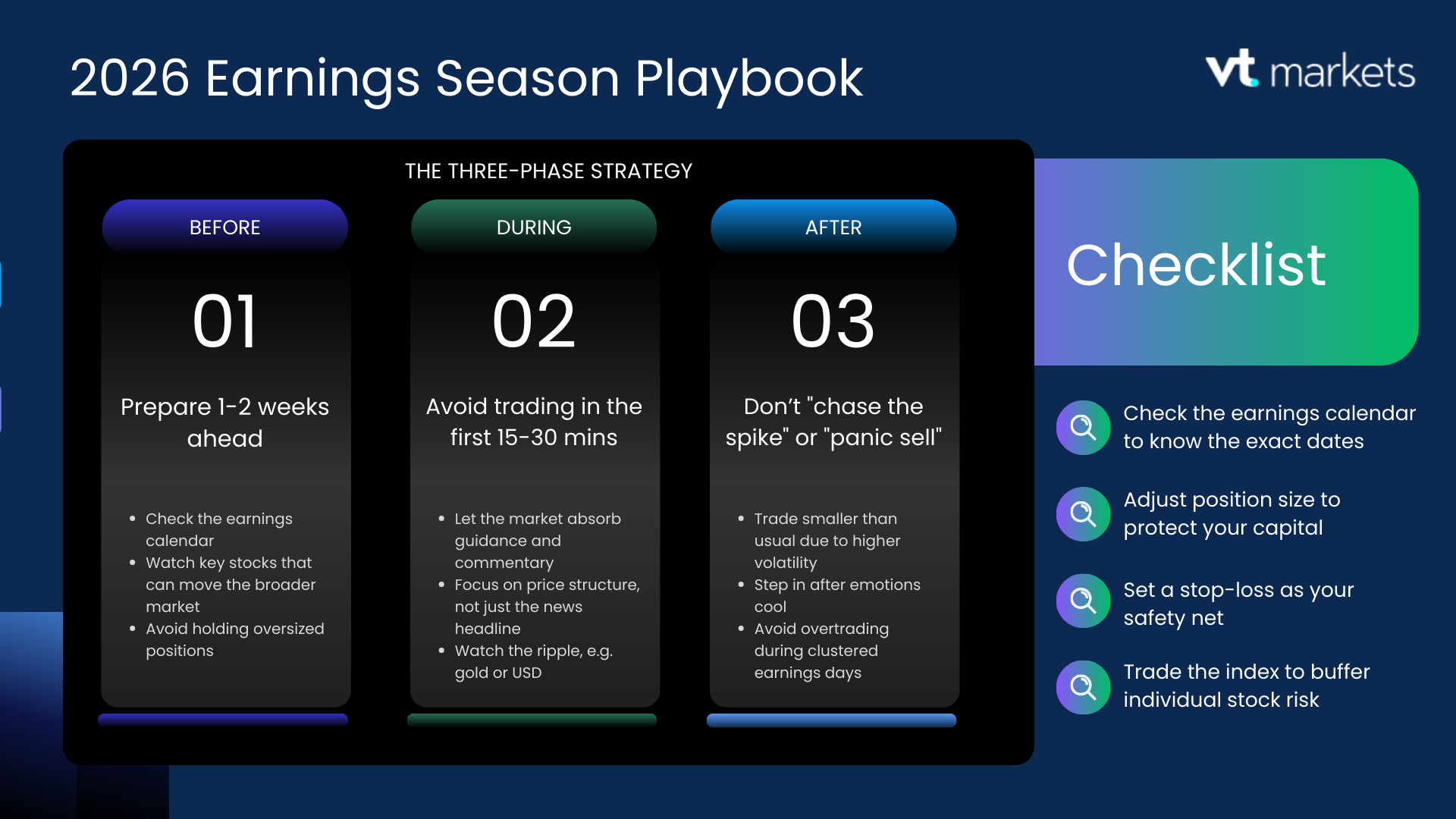
Instead of chasing headlines, use this framework to navigate the before, during, and after of a release.
Phase 1: Prepare Before Earnings Hit
Markets often begin moving days or even weeks earlier as traders position for expectations.
What to do:
- Check the earnings calendar and identify high-impact days
- Watch index-heavy stocks that can move the broader market
- Reduce position size ahead of major releases
- Avoid holding oversized positions overnight before earnings
Phase 2: Trade the Reaction, Not the Headline
On the day of release, initial price reactions are often driven by algorithms and emotional positioning rather than careful analysis.
What to do:
- Avoid trading the first 15-30 minutes after release
- Let the market absorb guidance and management commentary
- Focus on price structure, not just the news headline
- Watch the ripple across markets, e.g. gold (XAUUSD) strength or USD volatility (more on this in the next section)
Phase 3: Avoid Emotional Trap and Manage Positions
Earnings season is an emotional rollercoaster where beginners often juggle between “Chase the Spike” or “Panic Sell.”
What to do:
- Trade smaller than usual due to higher volatility
- Step in after emotions cool
- Always use stop losses to protect capital
- Avoid overtrading during clustered earnings days
Watch the Ripple Effect Across Indices, Forex, and Gold
Earnings typically do not stay confined to a single stock. When trillion-dollar companies report, their results often reshape risk sentiment across global markets.
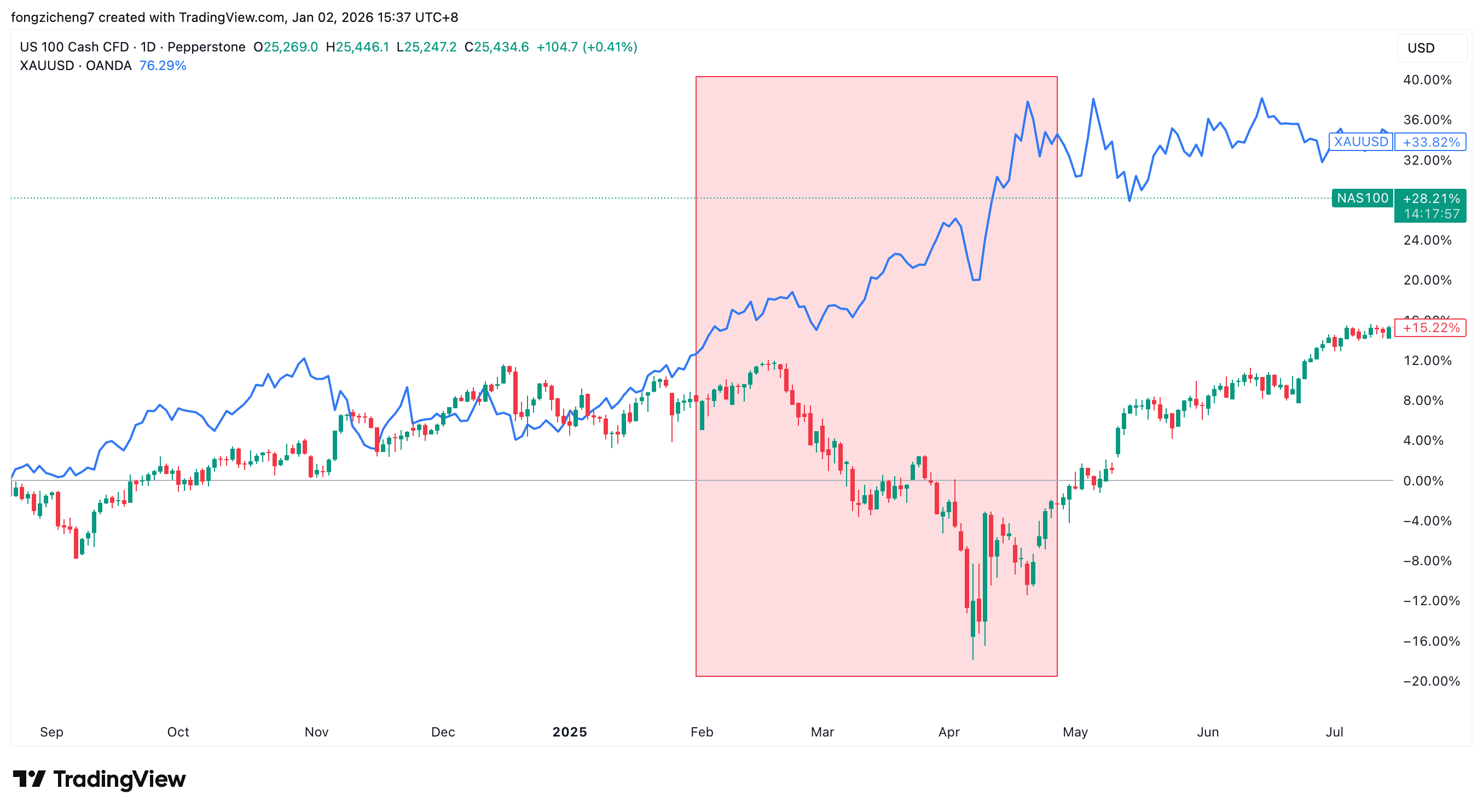
Because major technology companies carry heavy index weight, weak earnings can quickly drag down indices like the NAS100. When this happens, traders often shift capital toward safer assets.
Watching gold and forex alongside equities helps traders confirm whether the market is in risk-on or risk-off mode, instead of relying on a single chart.
The Safe Haven Play
When big tech earnings disappoint, equity indices usually fall. In response, traders often rotate into gold as a defensive and momentum asset.
This risk-off behaviour is common during negative earnings surprises and broad market pullbacks.
Setting the Right Mindset for 2026
Earnings season will remain a defining feature of market volatility in 2026.
For traders, the goal is not to catch every move. It is to:
- Understand when and where opportunities are
- Manage risk when uncertainty is highest
- Trade with structure rather than emotion
Those who respect its risks and opportunities are better positioned to navigate sharp moves across stocks, indices, and beyond.








