







Fiscal data often arrives quietly, but it carries weight. The US December budget deficit offered another snapshot of how government spending continues to shape demand across the economy.
Rather than signalling sudden stress, the figure reinforced a familiar theme. The US remains willing to run large deficits to support growth, manage economic transitions, and absorb pressure from higher interest costs.
For markets, the question is not whether deficits exist, but how they influence broader conditions.
How Fiscal Spending Supports Demand
Government spending plays a direct role in sustaining economic activity. Infrastructure programmes, defence outlays, and social spending all flow into consumption and employment.
This support can help smooth slowdowns and reduce volatility in private-sector demand.
December’s deficit reflects this dynamic. Spending levels remained elevated even as revenue struggled to keep pace. The result is continued demand support, particularly in areas where private investment may hesitate.
For markets, this backdrop helps explain why growth has remained resilient despite tighter financial conditions.
The Trade-Off: Growth Support Versus Borrowing Needs
While deficits can stabilise demand, they also increase borrowing requirements. The US finances these gaps through Treasury issuance, which adds supply to bond markets.
Rising supply does not automatically disrupt markets, but it does matter at the margin.
Investors watch how issuance affects yields, liquidity, and appetite for US debt. December’s data reinforces the reality that fiscal support comes with longer-term financing considerations.
This balance between demand support and borrowing pressure sits at the centre of current market debate.
What Markets Tend to Focus On
Equity markets often respond indirectly to fiscal data. Strong spending supports earnings and economic activity, but higher borrowing can influence interest rate expectations and valuations.
Bond markets react more directly. Treasury supply shapes yield behaviour and influences broader financial conditions. Currency markets also pay attention, as persistent deficits can affect confidence in the US dollar over time.
Gold often enters the conversation when deficits raise questions around debt sustainability or fiscal discipline, even when no immediate risk is present.
Why December’s Data Matters in Context
December is rarely a turning point on its own, but it helps confirm direction. The latest deficit figures fit into a broader pattern of sustained fiscal involvement in the economy.
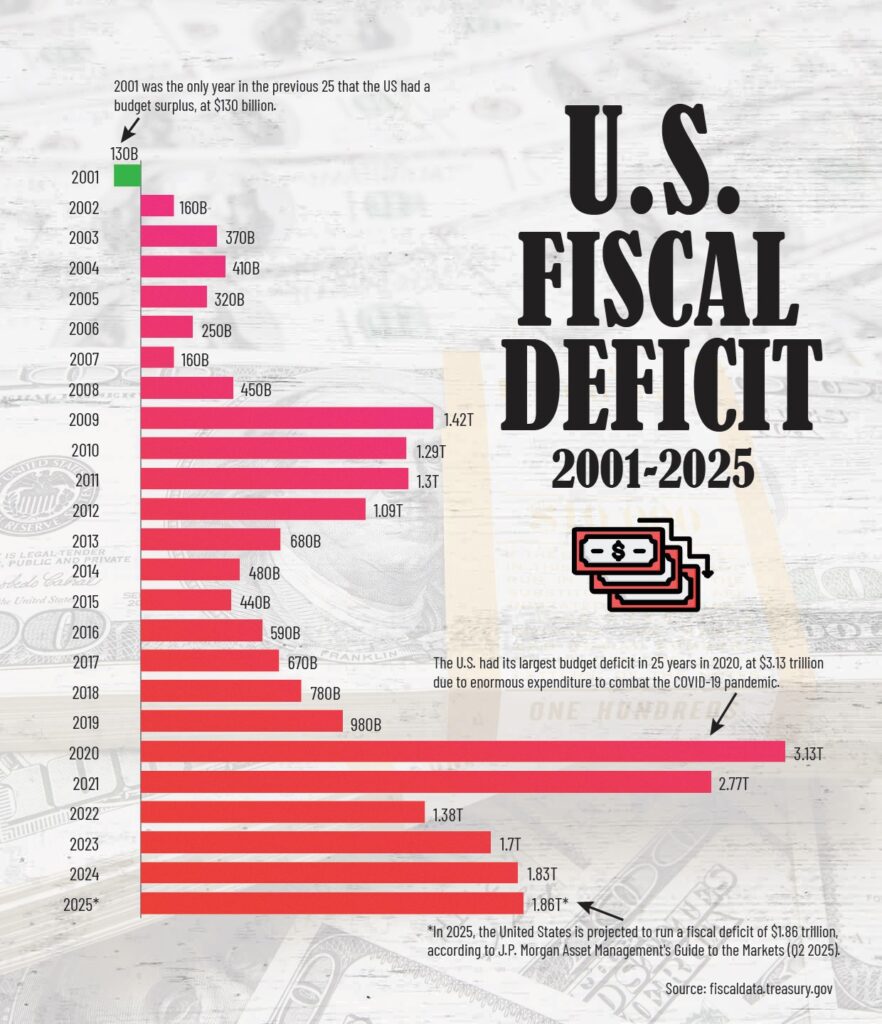
Source: Economics Insider
For markets, this means demand remains supported, but sensitivity to yields and borrowing costs stays high. Investors are balancing the benefits of fiscal backing against the implications of long-term debt accumulation.
A Measured Interpretation
The US December budget deficit does not change the market narrative overnight. It reinforces it. Government spending continues to underpin demand, while borrowing requirements remain a structural feature of the landscape.
For investors and traders, the takeaway is balance rather than alarm. Fiscal support remains a stabilising force, but it carries implications that markets will continue to monitor through yields, liquidity, and confidence as the year unfolds.









