



Market Recap of July
July was a volatile month for global financial markets, as renewed geopolitical tensions between the US and Iran shifted focus back to energy security, inflation risks and central bank policy. Oil prices moved sharply higher as concerns over supply disruptions increased, while equity markets faced pressure from profit-taking and elevated valuations, particularly across technology stocks.
At the same time, slightly softer inflation data provided some relief for policymakers, but rising energy prices created fresh uncertainty over the inflation outlook. The Federal Reserve maintained its cautious approach, with Chair Kevin Warsh emphasising a data-dependent strategy as markets continued to assess the path for interest rates.
Key themes included:
- Geopolitical tensions reignited energy supply concerns.
Renewed strikes between the US and Iran, alongside attacks near the Bab el-Mandab Strait, increased concerns over global shipping routes and energy security. Oil prices became one of the market’s most volatile assets, although the longer-term impact will depend on whether disruptions become more widespread. - Fed patience keeps markets focused on inflation risks.
While inflation data showed signs of improvement, higher oil prices created concerns that progress could slow. The Fed maintained its cautious stance, with Warsh stressing that policy decisions would remain driven by incoming economic data rather than forecasts. - AI investment remains a long-term growth theme despite market pressure. Technology stocks faced a correction as investors took profits and reassessed valuations. However, continued investment in AI infrastructure, semiconductors and data centres reinforced the longer-term growth outlook for the sector.
Overall, July highlighted a market balancing competing forces. Geopolitical risks and higher energy prices supported commodities and safe-haven demand, while resilient US economic data and cautious Fed policy kept pressure on rate-sensitive assets. Despite short-term volatility, structural themes such as AI investment and digital infrastructure continued to attract investor attention.
USD Supported by Rates and Risk Sentiment
Forex markets remained balanced in July as the US dollar faced competing forces from geopolitical uncertainty, inflation concerns and expectations for future Fed policy.
Renewed US-Iran tensions and rising risks around key shipping routes increased demand for safe-haven currencies. At the same time, higher oil prices raised concerns that inflation could remain persistent, reducing expectations for aggressive Fed rate cuts.
However, softer-than-expected inflation data provided some relief, while strong US economic conditions continued to support confidence in the dollar. Resilient labour markets, consumer spending and investment reinforced expectations that the Fed would maintain its data-driven approach.
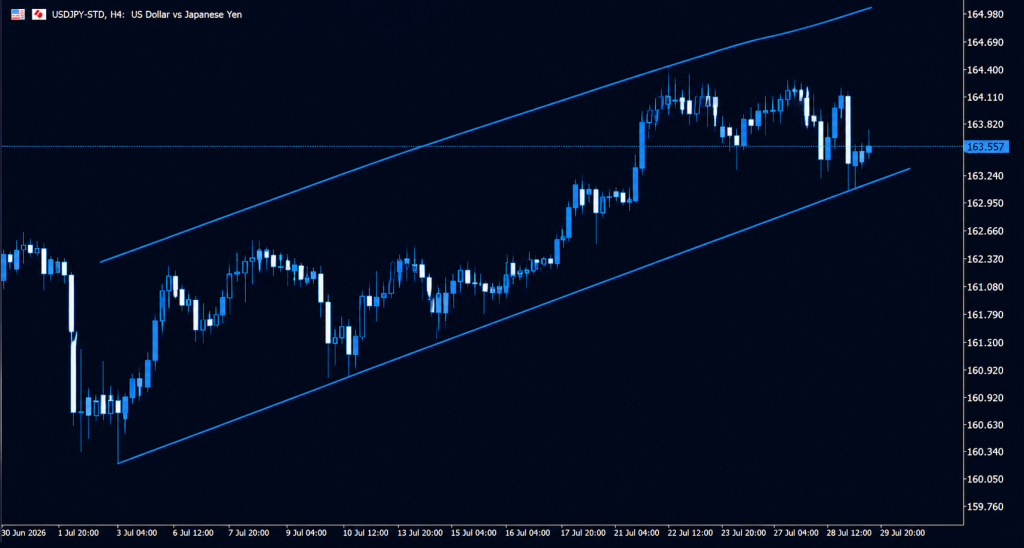
USDJPY was one of the strongest currency themes during July. The widening interest rate gap between the US and Japan continued to support carry trade demand, with higher US yields and the Bank of Japan’s accommodative stance favouring the dollar.
USDJPY may remain sensitive to changes in Fed expectations, BoJ policy signals and shifts in global risk sentiment.
Gold Balances Safe-Haven Demand and Dollar Pressure
Gold remained within a corrective range in July as investors balanced competing forces from geopolitical uncertainty and higher-for-longer interest rate expectations.
Renewed conflict between the US and Iran increased demand for defensive assets, while concerns over global energy supplies provided additional support for gold. However, gains were limited by a resilient US dollar and expectations that the Fed may maintain restrictive policy if inflation pressures persist.
Unlike earlier safe-haven rallies, gold’s upside was more contained as investors weighed geopolitical risks against higher yields and dollar strength.
Silver also benefited from defensive demand while receiving additional support from its industrial role.
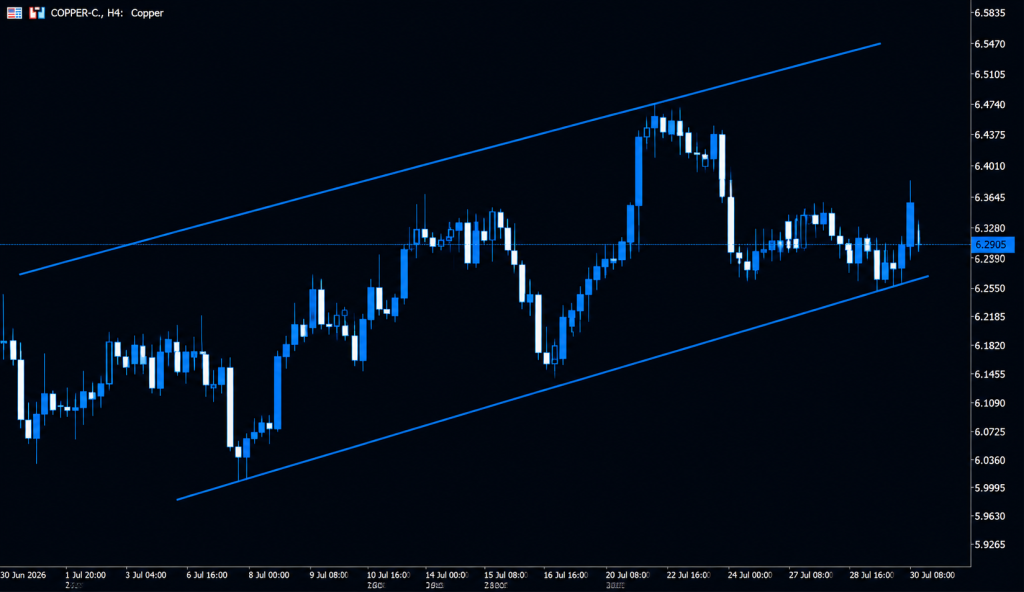
Meanwhile, copper performed strongly as optimism around AI infrastructure, electrification and data centre investment improved the long-term demand outlook.
Gold’s next move will likely depend on inflation trends, Fed policy expectations, and whether higher energy prices begin to affect broader price pressures. Follow Gold closely with our Analysts as we open up 24/7 access under the symbol ‘XAUUSD247‘.
Oil Rallies on Renewed Supply Concerns
Oil was one of July’s most volatile markets as renewed conflict in the Middle East pushed supply concerns back into focus.
The resumption of US-Iran strikes, combined with attacks near the strategically important Bab el-Mandab Strait, increased concerns over potential disruptions to major shipping routes. The possibility of pressure on both the Bab el-Mandab Strait and Strait of Hormuz contributed to sharp price movements throughout the month.
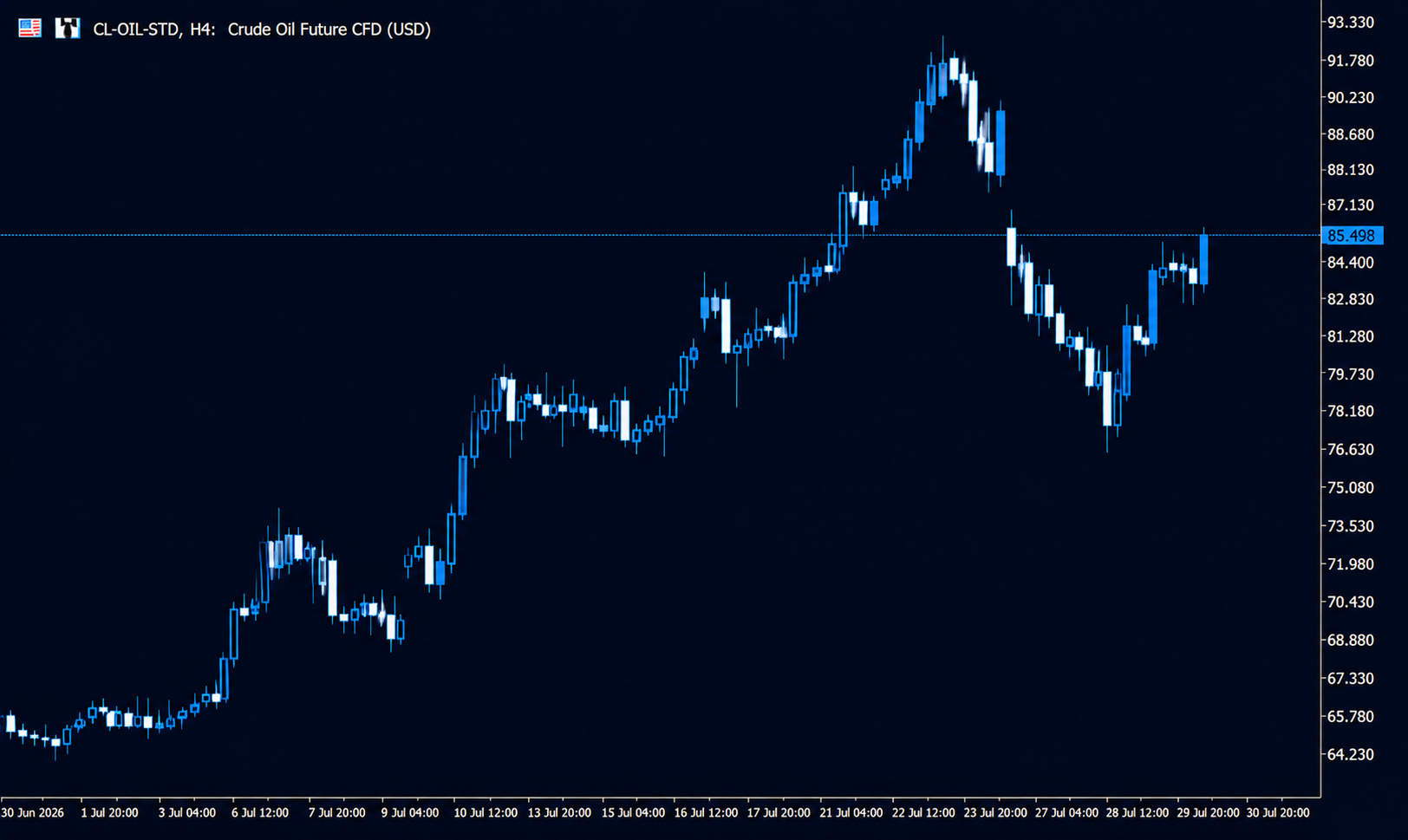
Although global oil inventories remained relatively stable, the risk of transport disruptions was enough to maintain elevated volatility. Rising energy prices also complicated the inflation outlook. While recent inflation data from several major economies showed improvement, sustained oil strength could slow further progress and create challenges for central banks.
Markets will continue watching geopolitical developments closely, as oil remains highly sensitive to headlines surrounding supply risks and regional tensions.
AI Optimism Faces a Reality Check as Tech Stocks Correct
Global equity markets came under pressure in July as investors reassessed technology valuations and took profits following a strong rally.
The Nasdaq briefly entered correction territory, falling more than 10% from recent highs as concerns over elevated valuations, higher energy prices and geopolitical uncertainty weighed on sentiment.
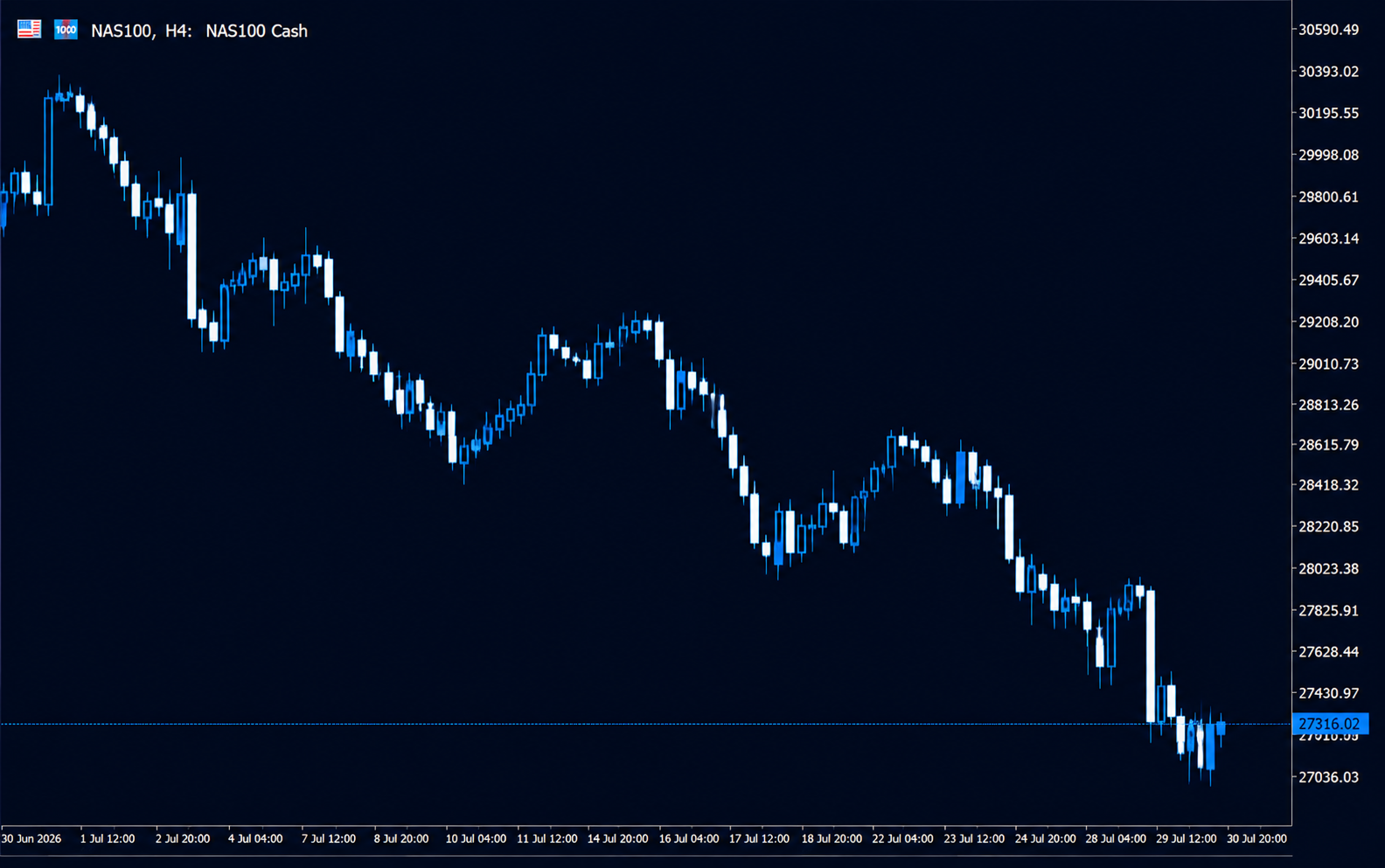
Despite the pullback, the long-term AI investment theme remained intact. Microsoft delivered strong results supported by cloud growth and continued AI infrastructure spending, while Meta faced pressure as investors questioned the scale of its AI investment plans.
Semiconductor stocks also delivered mixed performances, with some companies affected by weaker demand concerns and profit-taking despite strong long-term AI opportunities.
The broader market focus remains on whether AI-related earnings growth can continue justifying current valuations, particularly across cloud computing, semiconductors and data centre infrastructure.
Crypto Rebounds as Institutional Demand Supports Digital Assets
Crypto markets recovered in July as Bitcoin and the broader digital asset market benefited from renewed institutional interest.
Strong inflows into Bitcoin and Ethereum exchange-traded products highlighted continued demand from institutional investors, while improving regulatory clarity in several regions supported market confidence.
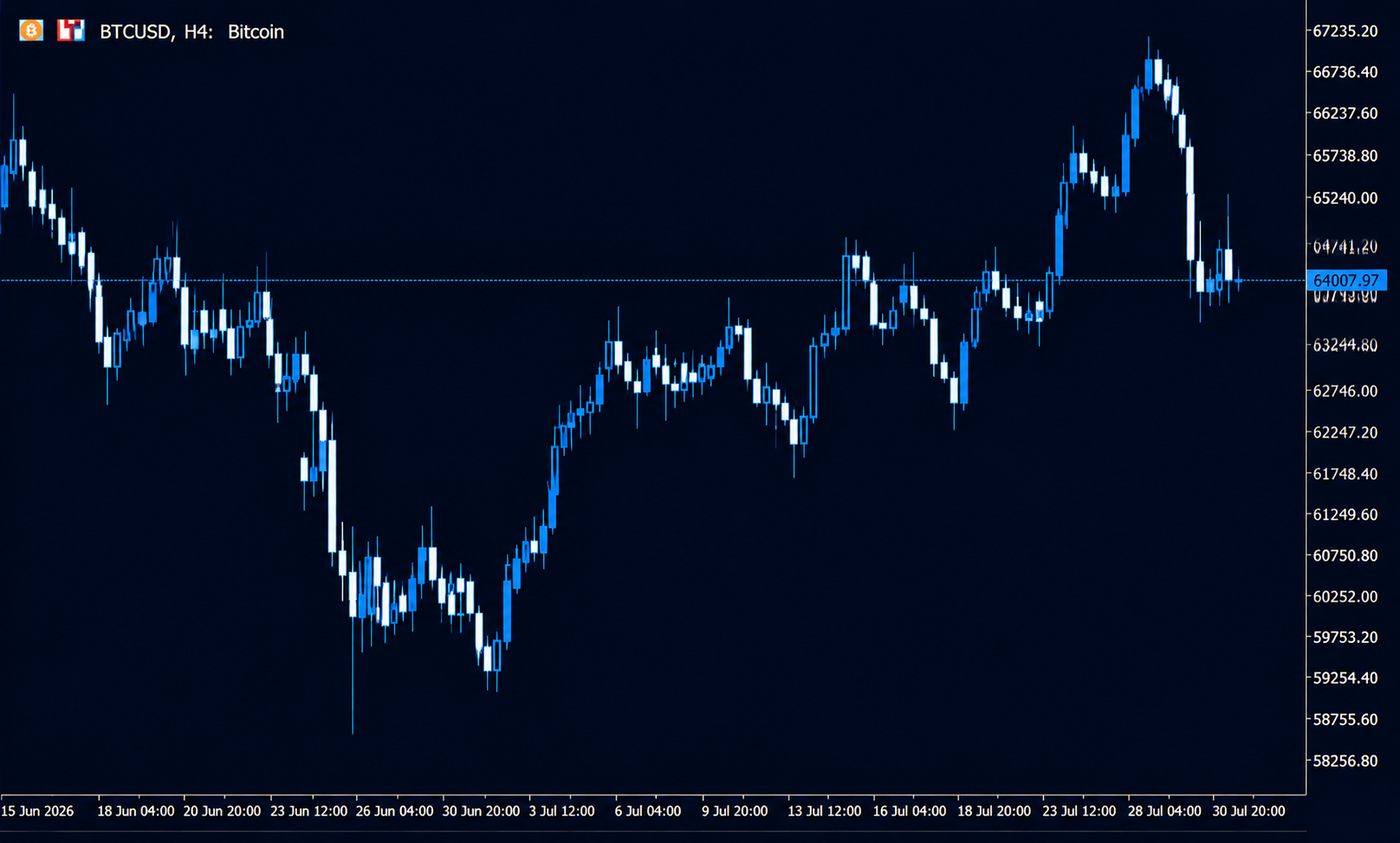
Cooler inflation data also helped improve risk appetite, supporting interest in technology-related and higher-growth assets.
Bitcoin remained the dominant force in the sector, while Ethereum and select altcoins outperformed as investors sought opportunities beyond the largest cryptocurrency. However, volatility remains likely as markets continue to respond to geopolitical developments, monetary policy expectations and regulatory progress.
Early Signals for August
August traditionally brings lower liquidity as summer trading conditions reduce market participation. However, geopolitical developments, inflation data and corporate earnings could still create significant market moves.
- Macro data and Fed policy
Investors will continue monitoring inflation, employment and economic growth data to assess whether higher energy prices begin affecting the broader inflation outlook. A resilient economy or renewed inflation pressures could support the US dollar and Treasury yields, while softer data may increase expectations for a more accommodative Fed stance. - Geopolitical risks and energy markets
The Middle East conflict remains the key risk factor for commodities and broader market sentiment. Any further escalation involving Iran, Israel or major shipping routes could increase oil volatility and impact inflation expectations. - AI growth and earnings outlook
Technology earnings will remain a major focus as investors assess whether AI-related spending can continue supporting growth. Cloud computing, semiconductor demand and data centre investment will be closely watched to determine whether current valuations remain justified.
Overall, sentiment remains cautious as markets balance geopolitical uncertainty, inflation risks and expectations for monetary policy. Investors should continue monitoring economic data, corporate earnings and geopolitical developments as key drivers of market direction.
For a full view of upcoming economic events, check out VT Market’s Economic Calendar.








