


 Insights
  VT
VT 





When a new trading day starts, you will already be settled into your routine. But where to start, and how to avoid mistakes? That is when a successful trader’s checklist proves useful. The Trading Checklist is your strategic roadmap for navigating the complex world of financial markets.
If you don’t have a checklist yet, it’s time to start. If you already do, perhaps it’s time for an upgrade because markets evolve, and so should your tools.
What is a trading checklist?
A trading checklist is a personalized list of factors you’d review before, during, and after trades.Amid high volatility, especially in the forex market, a checklist becomes a vital tool for controlling emotions and avoiding impulsive moves. It works as a filter, highlighting profitable trades while weeding out unnecessary risk.
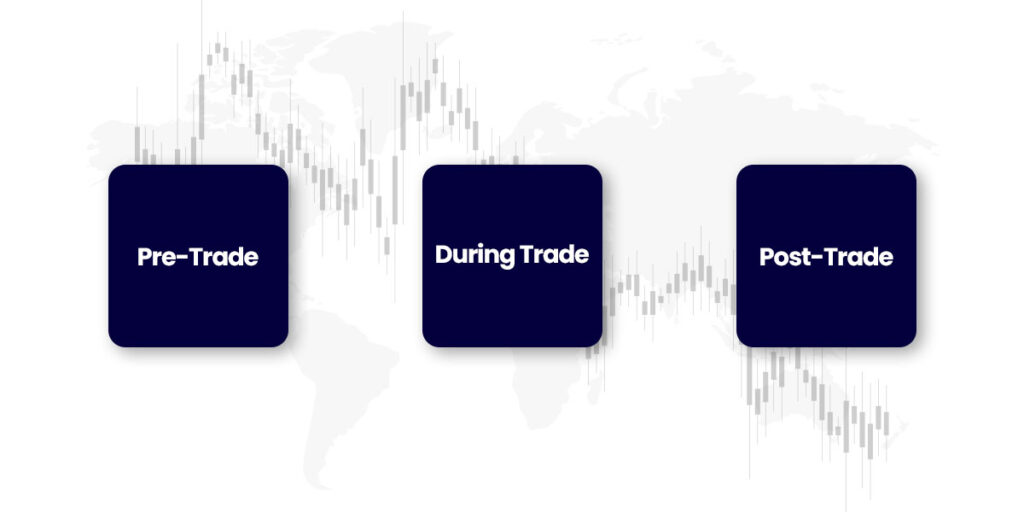
A well-structured trading checklist is generally organized into three essential stages: pre-trade, during trade, and post-trade.
Pre-Trade: Before entering a position, conduct a thorough analysis of market conditions, prevailing trends, and any relevant news or events that may influence price movements. Assess the risk-to-reward ratio to ensure that the potential reward justifies the risk involved. A disciplined pre-trade evaluation helps you make informed, rational decisions rather than impulsive ones.
During Trade: Once your position is open, adhere strictly to your risk management strategy. This includes adjusting stop-loss orders when necessary and maintaining a clear exit strategy based on predefined targets or significant market shifts. Consistent application of these rules helps eliminate emotional reactions and keeps your trading aligned with your strategy.
Post-Trade: After closing the trade, record every detail in your trading journal: entry and exit points, rationale, and any adjustments made. Analyze the trade outcome by reviewing key metrics such as the gain-loss ratio, overall profitability, and lessons learned. This reflective practice not only tracks your performance over time but also helps refine and improve your strategy for future trades.
Your Trading Checklist
Trading Account
Review your account balance, free margin, open positions, and trade volume before you begin.
This helps you assess if you’re in the right position to open new trades or manage existing ones. Sometimes, the smartest decision is to stay out of the market, even when trading signals look tempting. Thoughtful account management is what keeps trading steady and risks under control.
Financial Instrument
Understand the asset you are trading, whether it’s a currency pair, stock, cryptocurrency, or metal.
Each asset behaves differently under market conditions, and fundamental news can override technical signals. Using both technical and fundamental analysis provides a more comprehensive view of the market. For instance, news about mergers, sanctions, or interest rate changes can override chart signals.
Confirming Indicators
Use indicators from different categories (trend, oscillator, volatility) to validate your signals.
For example, combining RSI with Bollinger Bands helps you spot overbought conditions or breakouts. In practice, two or three well-tested tools are more effective than a collection of little-known ones. Additionally, always adjust your indicator settings to fit both your strategy and the current market conditions.
Risk-to-Reward Ratio
Aim for a risk-to-reward ratio of at least 1:2. This means risking $1 for the potential to earn $2. When calculating the ratio, consider not only technical levels, such as support and resistance levels, but also fundamentals, volatility, and market sentiment.
Risk Level
Keep your risk per trade between 1% and 5% of your account. Adjust your risk level during high volatility or major news events. Additionally, consider the effects of macroeconomic news, as they can spark significant price fluctuations.
News Impact
Check an economic calendar before trading. Major events like central bank meetings or employment reports can trigger sharp market movements. Even a trade backed by solid technicals can go wrong if the news drives the market in the opposite direction.
Trading Plan
Ensure your trade aligns with your overall strategy. Check signals, entry/exit points, risk levels, and setup strength. A quick final review helps you avoid acting on impulse. And if you still feel unsure, it is best to wait. Just one careless trade can wipe out the gains from several successful ones. That is why the final review is not just a formality but a key part of the decision-making process.
Bottom line
A trading checklist is a fundamental tool for achieving long-term success in the markets. Every trader needs such a tool, regardless of their experience and trading style.
Using a checklist regularly helps you stay aware of your actions and make more informed decisions. VT Markets offers a wide range of educational resources through various channels. It protects you from emotional or impulsive moves that can erode the amount of capital in your account. Empower your trading journey with continuous learning and professional growth.








