


 Insights
  VT
VT 






It’s a market shaped by unpredictability, rigidity is a risk. While trading strategies are essential for participating in the market, treating them as fixed blueprints immune to volatility, macroeconomic shifts, or political undercurrents can lead to a trader’s downfall. Financial markets are not static. They are reactive ecosystems, influenced by variables ranging from central bank policies and inflation cycles to geopolitical tensions and technological disruptions. This means the most robust trading strategies are not carved in stone, they are drafted in pencil, ready to be refined with each turn of the market tide.
1. Adaptive Strategies Are Resilient Strategies

Each trader enters the market with a plan. However, when market dynamics change, whether due to an unexpected interest rate decision or a surge in oil prices, only those who can adapt will endure. Flexibility is the core strategy to succeed. In volatile markets, this could mean closing a position earlier than expected, hedging exposure, or rotating into alternative assets. The key lies in adjusting tactics without abandoning discipline.
Even strategies rooted in short-term movements, such as scalping or day trading, must allow room for deviation. Currency pairs, for instance, may react sharply to macroeconomic releases or policy divergence between central banks. A successful trader watches the signals but responds to the environment.
2. Data Is the Map, Not the Territory

Historical price patterns, technical indicators, and trend analysis are the cornerstones of modern trading strategies. But the past is not always prologue. Markets evolve, often in ways that outpace traditional models. A chart formation that proved reliable in one macro environment may misfire in another. Traders who rely exclusively on historical signals without contextual awareness risk following a compass with a broken needle.
Instead, supplement technical analysis with a broader awareness of shifting fundamentals—such as inflation expectations, central bank forward guidance, or geopolitical flashpoints. These factors influence sentiment, liquidity, volatility & all critical variables that shape market behavior beyond the charts.
3. Managing Exposure in a High-Velocity Market

Risk management is not just a feature of a trading strategy, it is its foundation. Yet, many traders underestimate how rapidly exposure can become a liability in fast-moving markets. With leverage acting as a double-edged sword, even marginal misjudgments can lead to disproportionate losses.
This is where disciplined stop-loss and take-profit mechanisms come into play. These tools act as automated safeguards, closing positions when pre-set thresholds are met. Properly calibrated, they can prevent emotional decision-making and shield capital in times of sudden reversals. We equip traders with tools designed for rapid execution and dynamic risk calibration essentials in an age of algorithmic shifts and real-time news catalysts.
4. The Psychology Behind the Strategy

An often overlooked factor in strategy performance is the trader’s psychological discipline. Even the most well-researched, technically sound plans can be derailed by human behavior. Greed, fear, and revenge trading are recurring culprits in failed trades.
Especially during extreme market conditions, emotional responses can overpower strategy logic. The key to long-term success lies in executing trades based on analysis, not adrenaline. Traders must develop emotional distance from their positions treating every trade as a probability play, not a personal wager.
5. Diversification

No single asset class or instrument is immune to volatility. Smart traders, like institutional investors, diversify across multiple markets: forex, indices, metals, and energy products. This not only spreads risk but creates opportunities in counter-cyclical movements. For instance, when equities falter, gold or the US dollar may act as safe havens. Building a diversified portfolio aligned with market sentiment provides stability and adaptability during uncertain periods.
6. Trading in Bullish and Bearish Environments

Market direction whether bullish or bearish requires different strategic responses. In bullish phases, momentum strategies tend to perform well, while in bearish cycles, focusing on capital preservation and defensive strategies becomes essential. The key is to accurately identify the trend, validate it through multi-timeframe analysis, and execute strategies with a clear understanding of risk.
Regardless of direction, traders should integrate real-time data, macro context, and sentiment indicators to refine entries and exits. We offer access to advanced analytics and market insights to support decision-making across both ends of the trend spectrum.
The Bottom Line: Strategy Is a Process, Not a Product
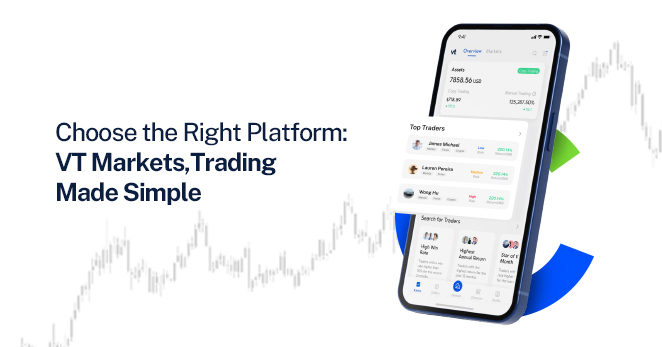
A trading strategy is an evolving process. As markets recalibrate, so must the approaches used to engage them. Traders who treat their strategy as a living system: regularly optimized, backtested, and adjusted are better positioned to cross volatility with precision.
In a financial world where the only constant is change, VT Markets remains committed to equipping traders with the tools, resources, and flexibility needed to succeed. Remember: success favors the adaptive.








