






Overview
- Federal Reserve rate expectations remain the main market driver. September US CPI rose 3.7% year-on-year, while PPI increased 6.3%, strengthening expectations for further monetary tightening.
- Treasury yields are sending mixed signals. The US 10-year yield fell towards 5.09% despite hotter producer inflation, as demand for government bonds increased amid weakness in technology stocks.
- Gold, the US dollar and equities face competing pressures. Higher interest rates could support the dollar and weigh on gold and stocks, while safe-haven demand may reverse some of these moves.
- Inflation data will guide short-term positioning. Canadian CPI, UK CPI and New Zealand CPI are scheduled for the week of 19 October, ahead of the Federal Reserve’s policy decision on 27–28 October.
Fed rate hike Expectations Keep Wall Street on Edge
Wall Street enters the week of 19 October with inflation pressures rising and uncertainty growing over the Federal Reserve’s next move. Markets are assessing how long borrowing costs could remain elevated and whether the economy can withstand further tightening. September’s inflation reports strengthened expectations for additional rate increases. Headline US consumer inflation reached 3.7% year-on-year, while producer prices rose 6.3%. These numbers suggest that price pressures remain persistent across both consumer spending and business production costs.
However, financial markets have responded to higher inflation in different ways. Treasury yields have fallen despite stronger inflation figures, while weakness in technology stocks has encouraged investors to seek safer assets. This creates a complex outlook for the US dollar, gold and equities. Inflation may support tighter monetary policy, but concerns about economic growth could increase demand for government bonds and other assets.
October or December: When Could the Fed Raise Rates?
Interest-rate futures indicate that markets are preparing for further monetary tightening, although an immediate October increase remains uncertain. Currently, expectations shift towards tighter policy in December.
| Fed policy scenario | Market-implied probability |
| October: Rates unchanged | 72.00% |
| October: 25 bp increase | 28.00% |
| December: Rates unchanged from current level | 10.70% |
| December: Rates 25 bp higher | 65.70% |
| December: Rates 50 bp higher | 23.60% |
These probabilities suggest that investors expect the Fed to maintain its restrictive stance, even if policymakers delay the next increase. Waiting until December would allow the central bank to assess additional inflation figures, employment conditions and consumer spending. It would also provide more time to determine whether recent price increases reflect persistent inflation or temporary pressures from energy costs.
For traders, the timing of the next rate increase could influence short-term currency movements. A more hawkish policy outlook may support the US dollar, while a delay accompanied by weaker economic data could place pressure on the dollar.
Higher Borrowing Costs Could Extend Into 2027
The most likely federal funds target range could reach 4.25%–4.50% by March 2027 and 4.50%–4.75% by June 2027. If borrowing costs remain elevated into 2027, businesses and households may face a longer period of expensive financing. Companies that rely on debt to fund expansion could encounter higher interest expenses, reducing cash flow for investment and future growth.
Technology companies face heavy pressure as artificial intelligence infrastructure and data centres require bigger capital expenditure. Higher financing costs could reduce the expected returns from these projects, especially if revenue fails to match investment.
However, rising interest rates do not automatically lead to falling stock prices. Companies with stronger balance sheets, stable earnings and healthy cash flow may be better positioned to manage higher borrowing costs. The larger risk would come from a policy path that exceeds current expectations. If inflation forces the Fed to raise rates more aggressively, investors may need to reassess corporate earnings, equity valuations and borrowing costs.
Why Treasury Yields Are Falling Despite Hotter Inflation
Bond markets delivered one of the clearest signs of conflicting investor expectations last week.
On 15 October, September’s Producer Price Index rose 1.3% month-on-month, exceeding forecasts of 0.5%–0.6%. Core PPI, which excludes food and energy, increased 0.7%. Stronger producer inflation would normally place upward pressure on Treasury yields by reinforcing expectations for higher policy rates. Instead, the benchmark US 10-year Treasury yield declined by around 10 basis points during Thursday’s session, reaching 5.09%. The move reflected growing demand for US government bonds as technology shares came under pressure. When investors purchase Treasuries, bond prices rise and yields fall.
Currently, two forces are shaping Treasury yields: inflation pressure and safe-haven demand. Higher expected policy rates can push Treasury yields upwards whereas increased bond buying can lift Treasury prices and push yields downwards. The next direction for Treasury yields will depend on which force dominates. Persistent inflation could revive selling pressure in bonds, while renewed weakness in equities could sustain demand for government debt.
How Higher Interest Rates Could Affect Gold, Stocks and the US Dollar
For the US dollar, higher relative interest rates can increase demand for dollar-denominated assets. However, a decline in Treasury yields may limit that support, particularly if investors begin to anticipate slower US growth.
Gold faces a similar balance of opposing forces. Higher real yields and a stronger dollar increase pressure on the non-yielding metal. Yet lower yields and stronger safe-haven demand could help gold maintain its recovery.
Technology stocks remain sensitive to economic conditions. Higher interest rates can reduce the present value of expected future earnings, while rising borrowing costs may weigh on companies investing heavily in AI infrastructure.
Financial stocks may respond differently. Higher lending rates can support interest income, but weaker economic growth and rising credit risks could offset those benefits. As a result, traders should monitor Treasury yields alongside equity performance and the dollar rather than relying solely on inflation data.
Upcoming Key Economic Data
The coming week brings several inflation releases that could influence major currency pairs before the Federal Reserve meets on 27–28 October.
The Canadian CPI is scheduled for 19 October, followed by UK CPI on 21 October and New Zealand CPI on 22 October. These reports could influence expectations for domestic monetary policy and create short-term volatility in CAD, GBP and NZD pairs.
Attention will then shift towards a busier policy calendar in the following week, including Australian inflation, the Reserve Bank of New Zealand’s Official Cash Rate decision, the Bank of Canada’s press conference, the FOMC statement and US PCE inflation. The Bank of Japan’s policy rate decision on 30 October could also affect USDJPY. However, the market reaction will also depend on how far each outcome differs from existing forecasts. Data that confirms current expectations may produce a smaller response than an unexpected shift in policy guidance.
Key Symbols to Watch
XAUUSD | USDX | EURUSD | GBPUSD | SP500
Upcoming Events
| Date | Currency | Event | Forecast | Previous | Analyst Remarks |
| 19 Oct | CAD | CPI m/m | 0.20% | -0.10% | A stronger reading could support CAD through higher rate expectations. Monitor USDCAD for confirmation. |
| 21 Oct | GBP | CPI y/y | 3.40% | 3.10% | Higher inflation could reinforce expectations for restrictive Bank of England policy, affecting GBPUSD. |
| 22 Oct | NZD | CPI q/q | 0.80% | 1.50% | Softer inflation could reduce pressure for further tightening and influence NZDUSD. |
For a full view of upcoming economic events, check out VT Markets’ Economic Calendar.
Key Movements of the Week
XAUUSD
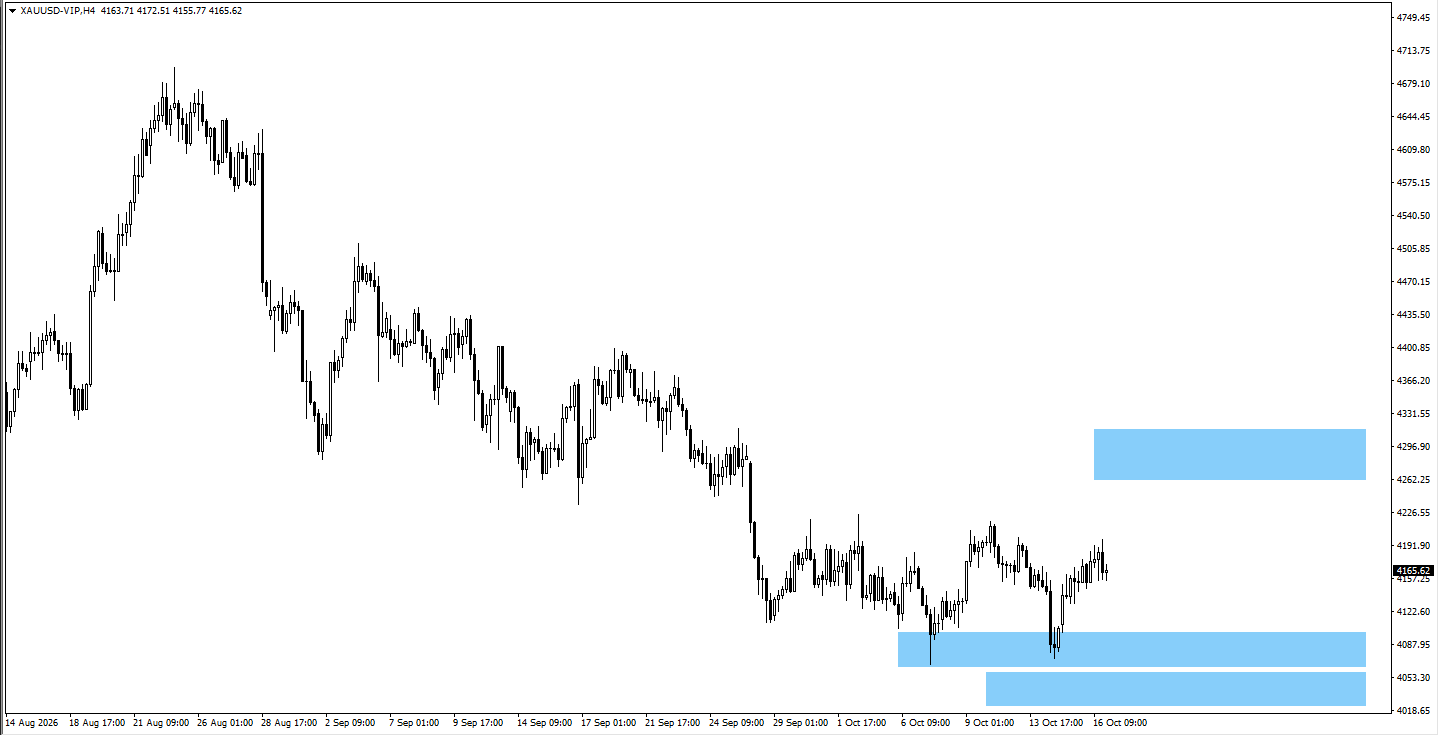
- Gold could still move higher after trading up from 4080 for the second time.
- Should price rise higher, look for bearish price action at 4280.
- If price trades lower, look for bullish price action at 4055.
USDX
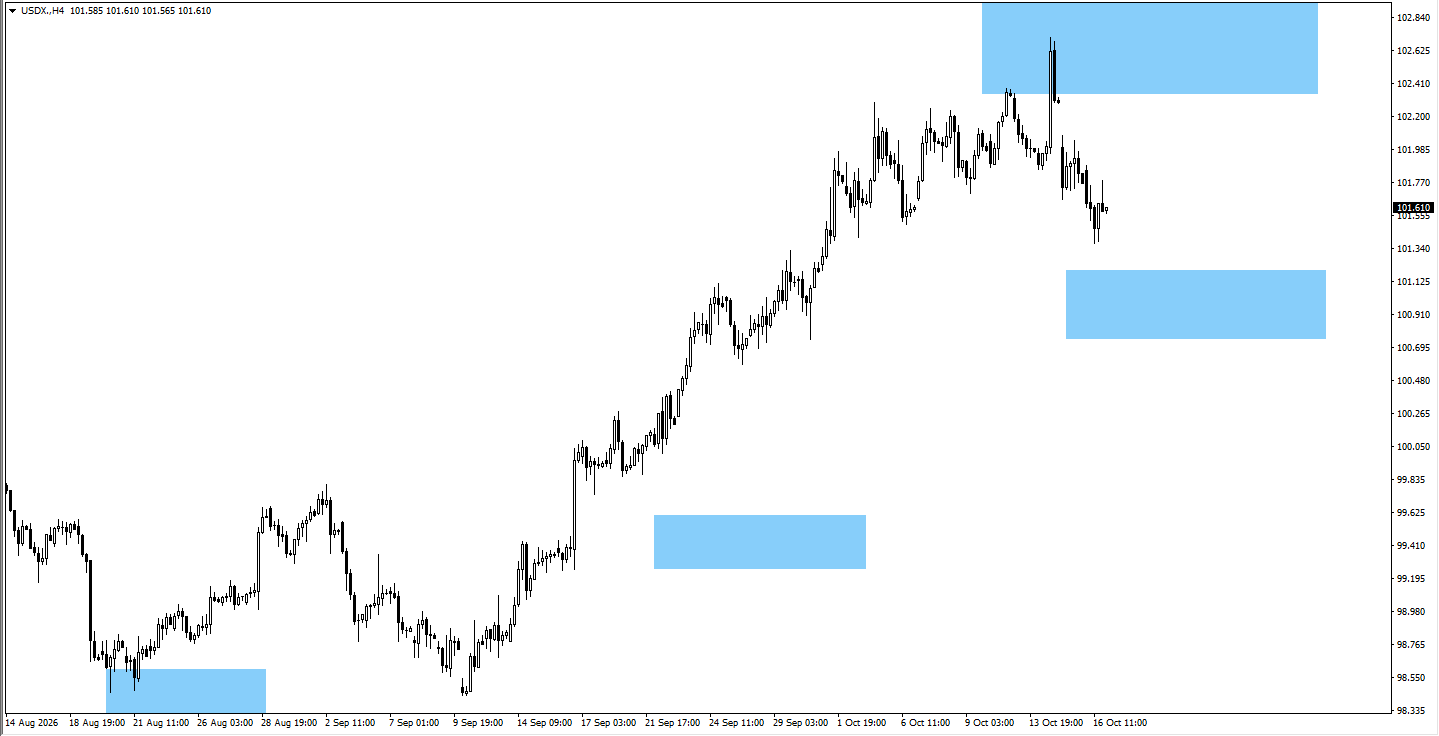
- The 102.55 level remained the resistance for USDX after Friday’s closing.
- Should USDX consolidate next, price could trade lower.
- If that happens, monitor price action at 101.00
EURUSD
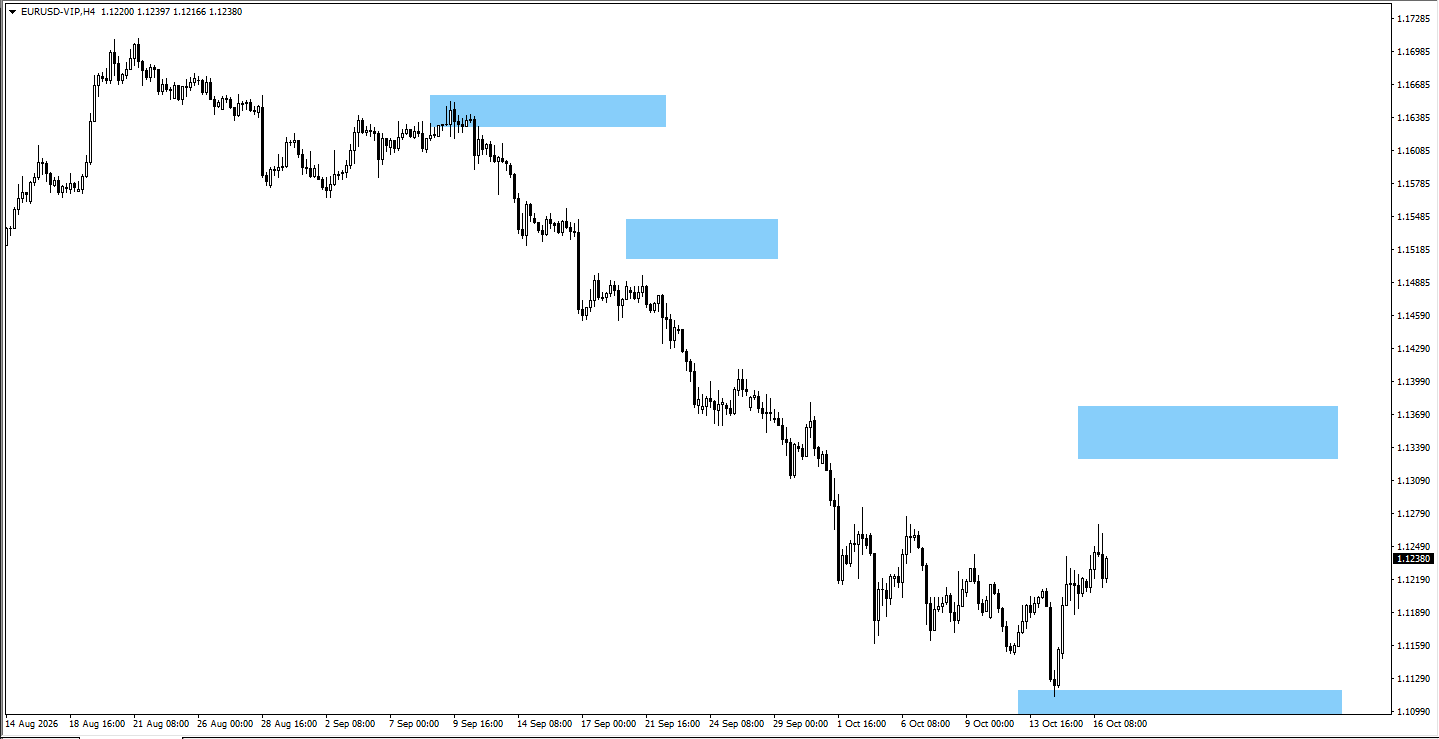
- EURUSD continued its move upwards from the 1.1110 monitored area.
- Should price consolidate next, EURUSD could trade higher.
- If that happens, monitor price action at 1.1350.
GBPUSD
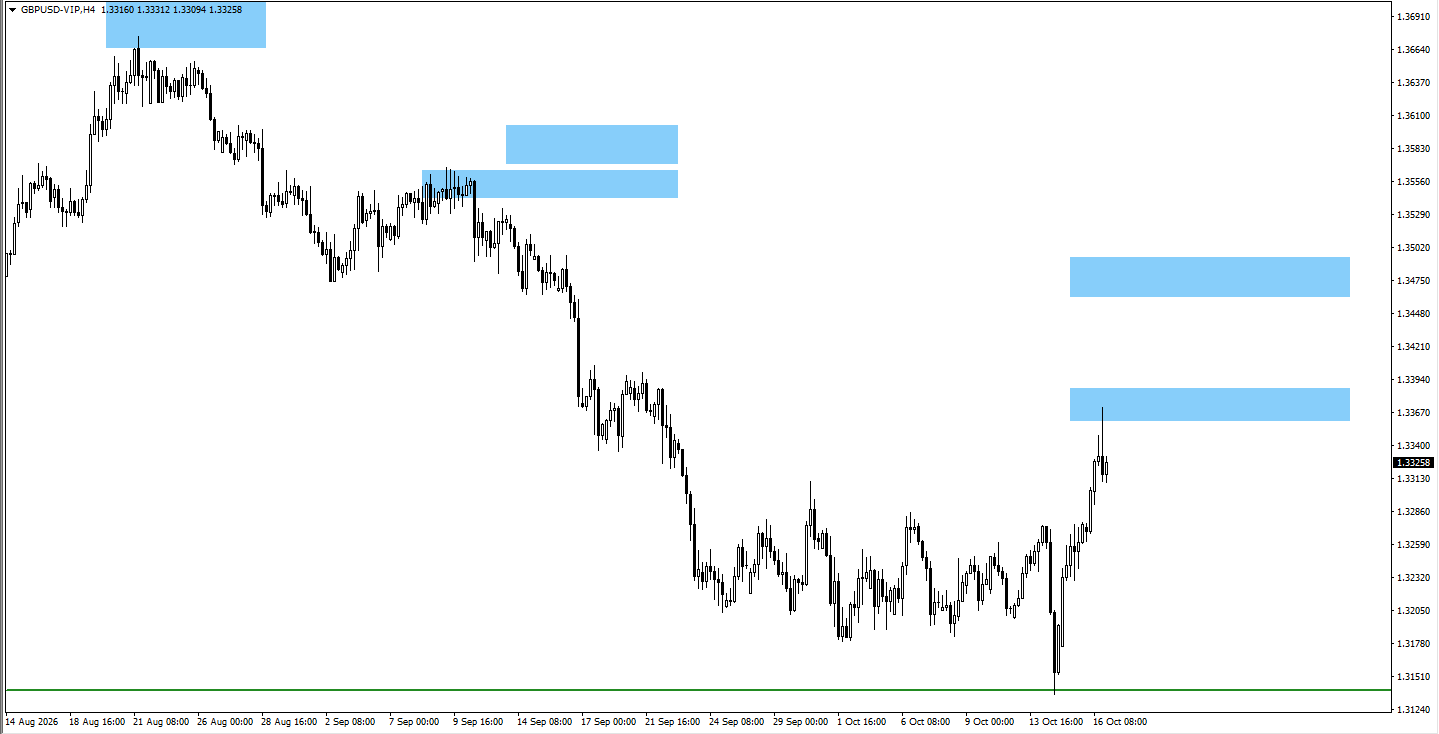
- GBPUSD is currently finding resistance at the 1.3380 monitored area.
- If GBPUSD rises, monitor price action at 1.3480.
SP500
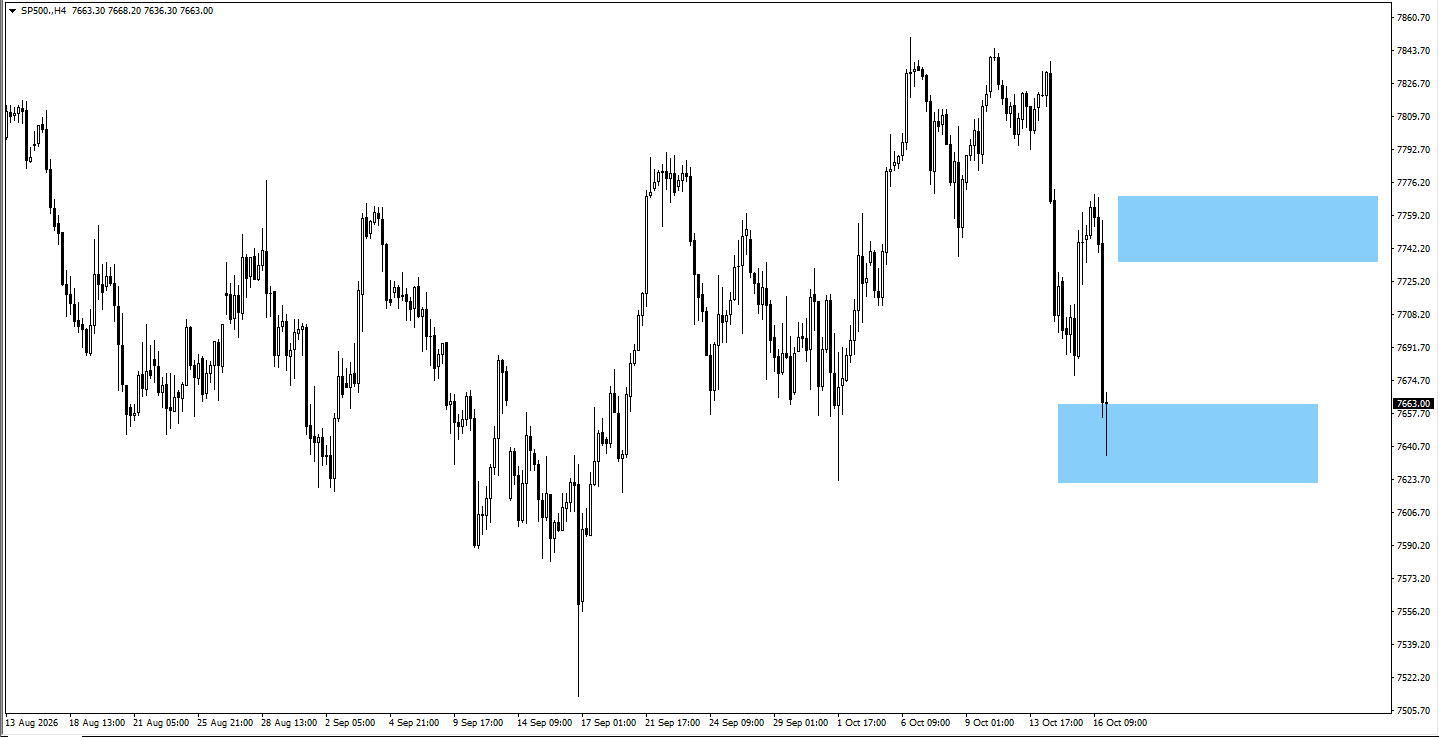
- SP500 is currently trading at the 7660 monitored area.
- Should price rise higher, monitor price action at 7755.
Bottom Line
Markets enter the week of 19 October balancing persistent inflation against concerns over economic growth and higher borrowing costs. The Federal Reserve’s October decision remains uncertain, with the report’s futures snapshot favouring unchanged rates before a possible increase in December.
Gold could test 4,280 if its recovery continues, while the US dollar faces resistance at 102.55 and the S&P 500 approaches a decision area around 7,660. Canadian, UK and New Zealand inflation releases could drive currency volatility this week, with attention shifting towards the FOMC meeting and further inflation data the following week. Price confirmation around these technical levels will help determine whether recent recoveries can continue or give way to renewed selling pressure.
Create a live VT Markets account today to access our platform features, including market insights and educational content.
Frequently Asked Questions (FAQ)
1. How will further Fed rate hikes affect gold prices?
Higher Federal Reserve interest rates could pressure gold prices by supporting the US dollar and increasing Treasury yields. However, gold may benefit from safe-haven demand if tighter monetary policy raises concerns about economic growth.
2. Will the Federal Reserve raise interest rates in October 2026?
Markets assigned a 28% probability to a 25-basis-point rate increase in October and a 72% probability to unchanged rates. Expectations for further tightening were stronger for December, although the outlook remains dependent on inflation and economic data.
3. Why are US Treasury yields falling despite higher inflation?
Treasury yields can decline when investors increase their demand for government bonds during periods of market uncertainty. Although higher inflation typically supports expectations for tighter monetary policy, concerns about technology stocks and economic growth can encourage bond buying, pushing prices higher and yields lower.
4. What is the gold price prediction for this week?
Gold could extend its recovery towards 4,280 after rebounding from the 4,080 area. However, bearish price action near 4,280 could limit further gains. If selling pressure increases, traders may monitor 4,055 and the area below 3,942.70 for potential bullish reactions.
5. How could higher interest rates affect the US dollar and stock market?
Higher interest rates may strengthen the US dollar by increasing the appeal of dollar-denominated assets. For equities, elevated borrowing costs can pressure corporate earnings and valuations, particularly among technology companies. However, market reactions will depend on whether future Fed decisions align with existing expectations.
6. What economic events should traders watch this week?
The main scheduled releases for 19–23 October 2026 include Canadian CPI on 19 October, UK CPI on 21 October and New Zealand CPI on 22 October. These reports could influence USDCAD, GBPUSD and NZDUSD. Attention will then shift towards the Federal Reserve’s 27–28 October policy meeting and upcoming US inflation data.
Start trading now — click here to create your real VT Markets account.



