





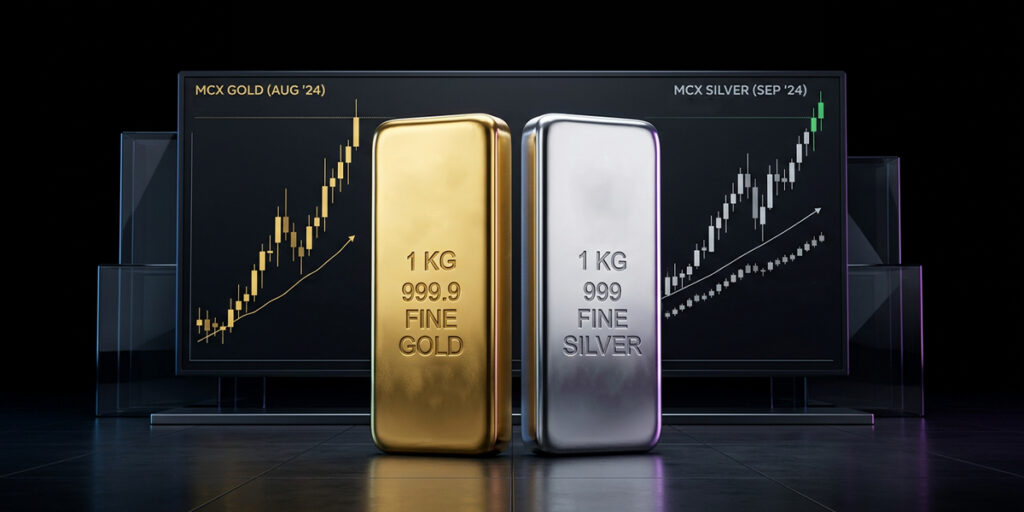
The Indian government has raised import duties on gold and silver to 15% from 6% as part of a strategy to limit foreign purchases and relieve pressure on foreign exchange reserves. The situation follows the recent appeal from PM Narendra Modi to refrain from buying gold for a year to safeguard foreign exchange reserves. On the other side, gold & silver are deeply rooted in India’s culture & finances.
While people assume the import duty changes affect importers, the ground picture is different! It can impact everything from MCX prices, jewellery rates, ETFs, market sentiment, and the Indian rupee.
So, what does this mean for traders & investors? Let’s break down.
India’s Dependency on Imported Gold & Silver

India is the world’s second-largest gold consumer and depends heavily on imports to meet domestic demand. Similarly, 80% of India’s silver demand also relies on foreign supplies. The government’s decision to change import duties has an immediate impact on domestic prices as imported metals become more expensive. Banks, bullion dealers, and jewellers all need to pay the extra duty when importing gold and silver into the country. They naturally pass these additional costs on to the end consumer.
Why Gold Prices Rise Immediately After a Duty Hike
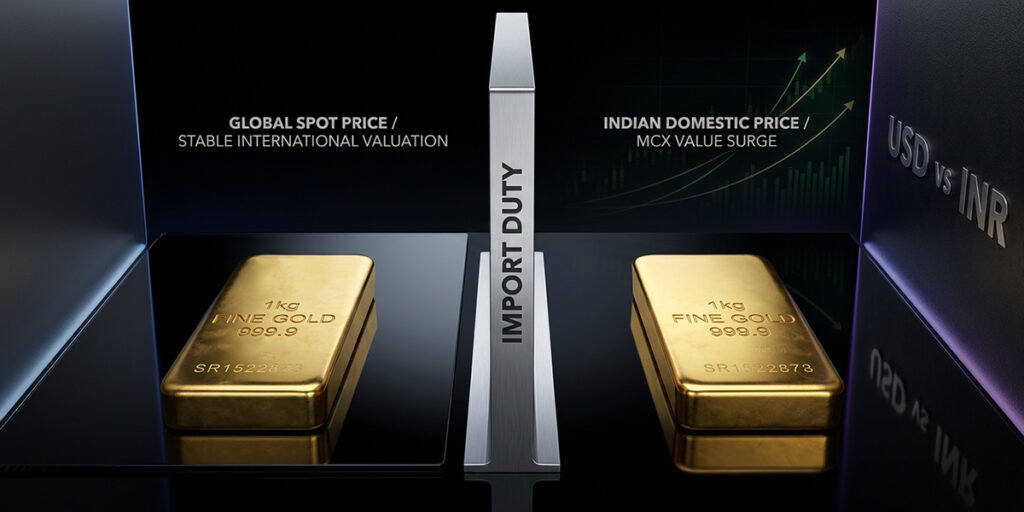
The biggest trigger behind the rise is the customs duty hike itself. The increased import taxes directly affect the domestic prices. Experts estimate that the 9-percentage-point increase in import duty could structurally add around Rs 12,000–14,000 per 10 grams to local gold prices over time.
Additionally, the weakening rupee adds extreme pressure. The rupee recently hit its record low against the USD, making gold a hen’s teeth for domestic buyers. This is exactly why MCX gold and silver prices spike within hours of such announcements. Traders in the futures market quickly start pricing in the extra cost created by the duty increase. Meanwhile, bullion dealers and jewellers adjust their retail prices to protect their profits. Hence, consumers start noticing higher jewellery prices almost right away. Even if international gold prices do not increase, Indian bullion prices can still rise. The import duty alone creates a domestic premium that is distinct to the Indian market.
The MCX Vs COMEX Price Gap
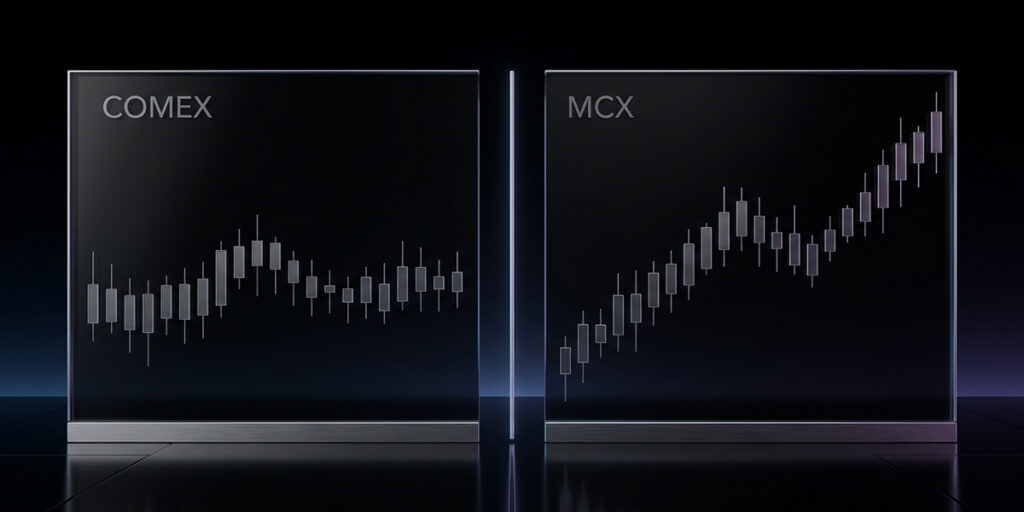
The most interesting outcome of import duty hikes is the expanding gap between Indian bullion prices and global bullion prices. The gold and silver prices are benchmarked through international exchanges like the COMEX globally. But in India, traders follow MCX prices.
Following a duty increase, MCX prices usually outperform COMEX prices because Indian markets now include an additional import premium. This creates an interim disconnect between domestic and international pricing.
For example, global gold prices may stay the same because US economic data is stable. However, MCX gold can keep rising since Indian traders are responding to the higher duty and a weaker rupee.
ETFs And Digital Gold Could See Fresh Interest
The rising price of gold is pushing retail investors towards gold ETC earlier than expected. ETFs allow investors to participate in price movements without physically storing gold.
During periods of rising bullion prices, ETF inflows increase because investors still want exposure to gold as a hedge against inflation. Digital investment platforms may also benefit because younger investors increasingly prefer convenience over physical ownership.
Strong Short-Term Volatility
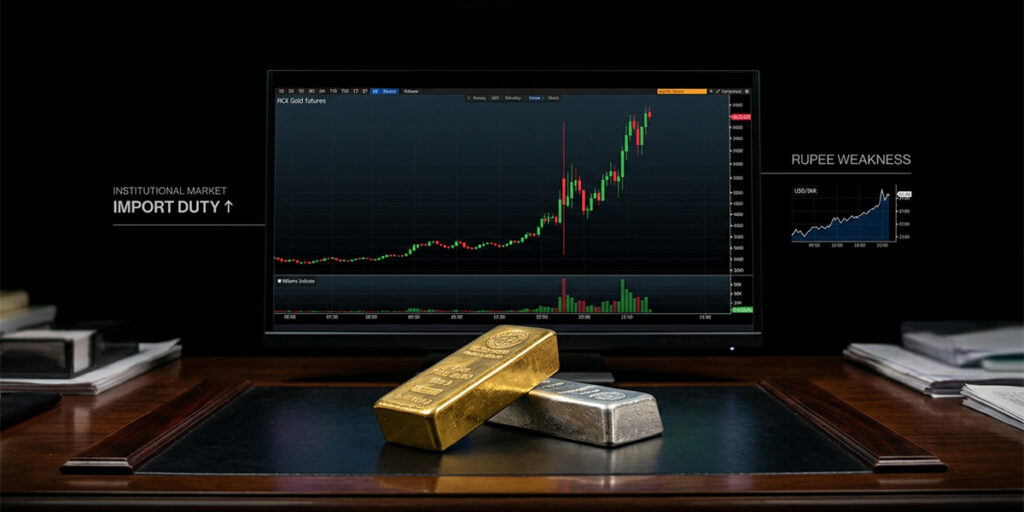
The import duty hikes can create short-term opportunities bouncing off the wall. Major policy announcements make bullion markets highly volatile. Prices move aggressively because traders rapidly adjust positions based on the new domestic pricing structure.
More specifically, the Indian factors make MCX gold & silver experience a stronger momentum than in the international markets. On the other hand, rupee weakness can contribute to this movement further.
If the rupee weakens against the US dollar while import duties are high, domestic bullion prices may rise even faster.
This couple creates a double impact:
- Higher global import costs
- Higher domestic duty premiums
Due to this, traders see sharp price swings, stronger trading volumes, and increased intraday volatility.
What Should Traders Watch Next?

- Watch the movement of the rupee.
- Track global gold price trends.
- Monitor geopolitical tensions closely.
- Follow the US Fed interest rate decisions.
- Observe inflation and safe-haven demand.
- Check spot premiums in India.
- Watch for new government policy changes.
- Monitor domestic jewellery demand.
- Compare MCX and global bullion prices.
- Expect higher short-term volatility.
- Track ETF and digital gold inflows.
- Keep an eye on crude oil prices.
Final Thoughts
While India has increased the import duty on gold and silver, it has apparently created a perceptible impact across domestic bullion markets.
Higher import taxes immediately increased the landed cost of bullion, pushing MCX prices upward and increasing the gap between Indian and international markets.
At the same time, this environment generates both opportunities & risks for traders. Those who understand the bigger economic picture may be better positioned to sail the market.
Create a live VT Markets account today to access our platform features, including market insights and educational content.








