






How do you feel about financial markets? If you have a clear answer in your mind, then you already understand your personal sentiment towards the market.
Market sentiment reflects investors’ attitudes towards the financial market as a whole. Rooted in collective trader psychology, sentiment manifests in buying and selling patterns. Bullish sentiment typically lifts prices, while bearish sentiment pushes them lower.
While the majority of the market will lean one way or another, every participant holds their own view on why the market is performing the way it is and where it is heading next. While the opinion of the majority often dictates the overall sentiment toward a market, there are the likes of contrarian investors who bet against the dominating sentiment.
How to trade the market sentiment?
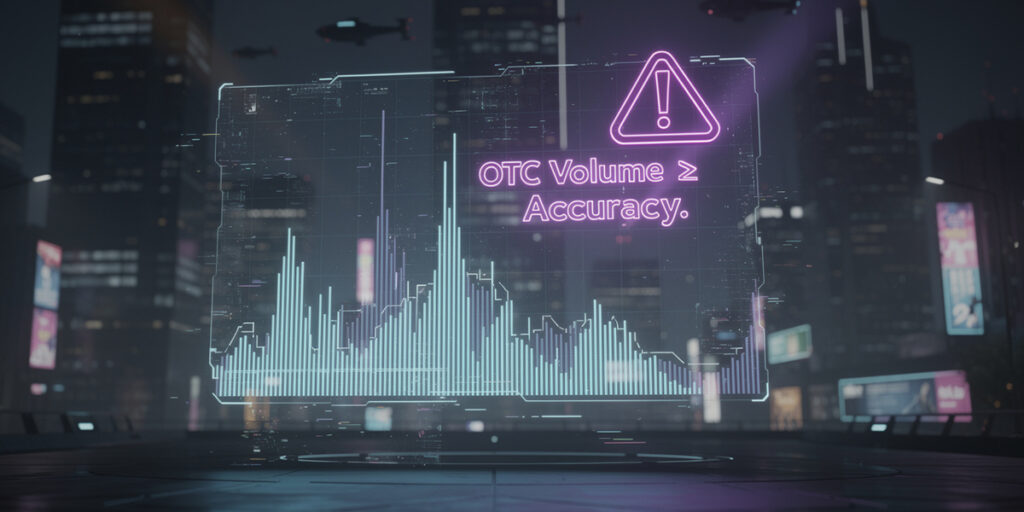
Volume is a useful indicator of market sentiment, as rising or falling interest can be tracked more transparently. Interpreting volume becomes more challenging in forex because it is traded over-the-counter (OTC) rather than on a centralized exchange. This structure limits access to reliable volume data, making sentiment harder to measure compared to traditional markets.
Market Sentiment Indicators
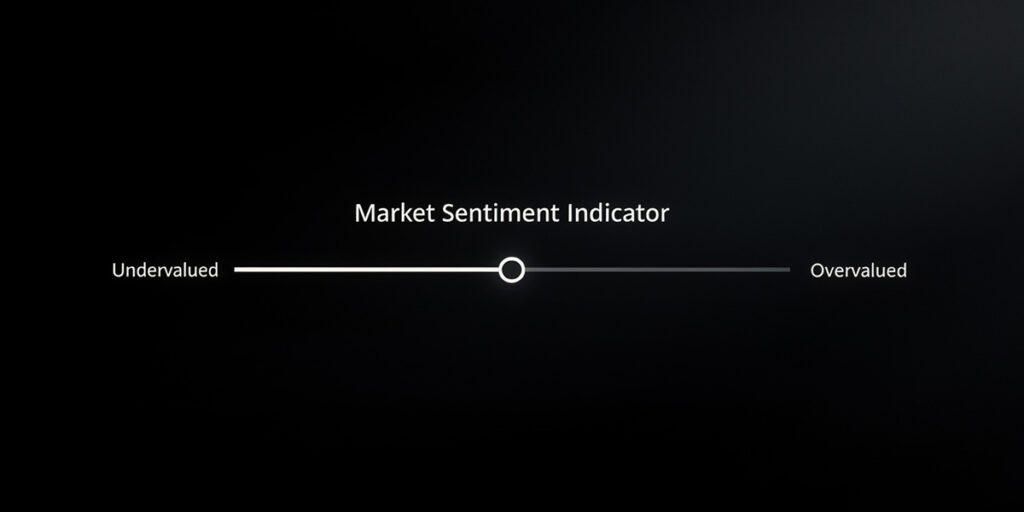
Market sentiment indicators are one of the most helpful tools at the disposal of investors looking to judge how the market feels now and where sentiment is headed, helping to find undervalued or overvalued opportunities. However, these indicators should be used alongside other technical and fundamental analyses to provide added depth to research, rather than being used as a single authority on the outlook for financial markets.
Commitment of Traders (COT) Report
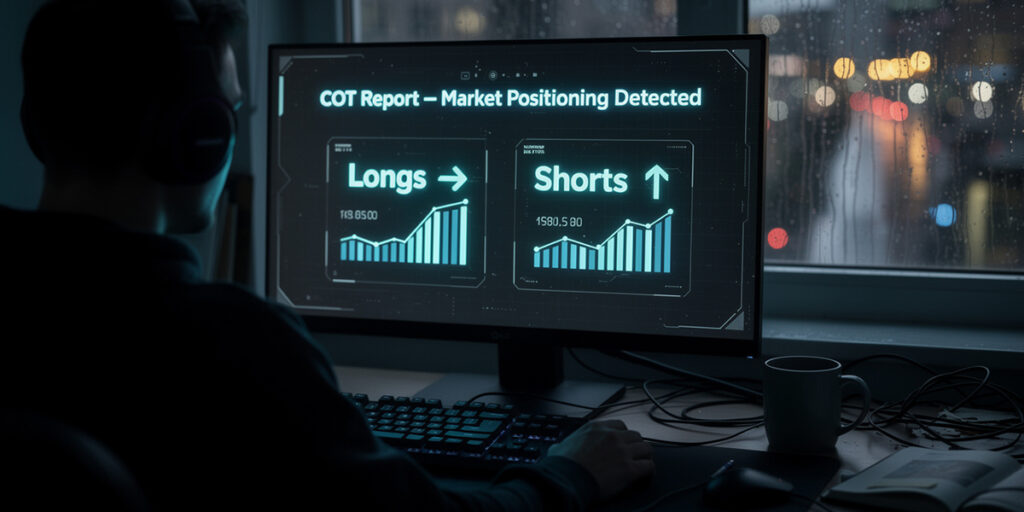
CFTC publishes the COT report weekly to reveal how major market participants like investors, hedge funds, and large speculators are positioned in the market. Traders can anticipate potential directional bias by analysing whether these players are building significant long or short positions.
The COT report is a powerful tool for understanding deep market sentiment that retail traders often cannot see. For example, if institutional traders steadily increase long positions on the euro, it signals growing confidence in an extended upward move.
Forex Sentiment Indicators
Different brokers and platforms offer sentiment indicators showing the percentage of traders who are long or short on a particular currency pair. This data can help identify crowd behaviour.
When a large majority of retail traders are positioned heavily on one side, experienced traders often take a contrarian approach, as retail sentiment historically skews toward late entries or emotional decision-making. Understanding this imbalance allows traders to better anticipate potential reversals or continuation patterns.
News Sentiment Analysis
Market sentiment shifts instantly with global headlines. News sentiment analysis helps traders interpret how markets are reacting to real-time events. By following sentiment-driven sources like Bloomberg, Reuters, and Forex Factory, traders can gauge whether the broader reaction is optimistic, fearful, risk-on, or risk-off.
Additionally, AI-powered sentiment tools now scan thousands of news articles, social posts, and central bank statements to assess the emotional tone of the market. This provides traders with a real-time glimpse of how global narratives may influence currency movements.
Fear & Greed Index

Even though traditionally associated with the stock market, the Fear & Greed Index is increasingly relevant for forex traders. When extreme greed dominates, markets often enter overbought territory, signalling potential corrections. Conversely, extreme fear typically aligns with risk aversion, pushing traders toward safe-haven currencies like the USD, JPY, or CHF.
If global uncertainty rises and traders collectively avoid risk, forex markets often respond with sharp moves in safe-haven pairs, creating opportunities for sentiment-driven strategies.
Using Sentiment to predict market movements
Confirming Trade Setups
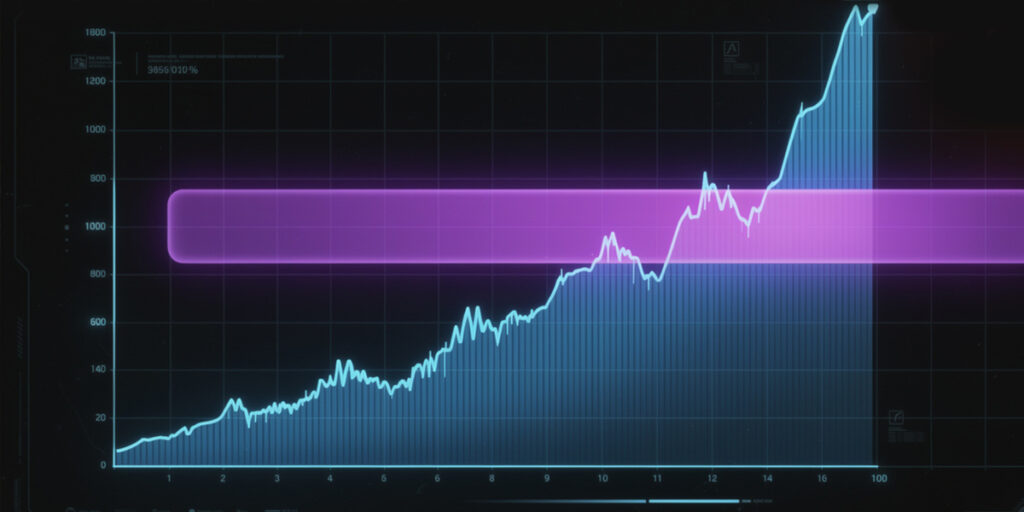
Market sentiment acts as an essential filter for your technical analysis. Even if your charts signal a potential buying opportunity on EUR/USD, sentiment data may reveal that an overwhelming majority of traders are already long. When retail positioning becomes too one-sided, it’s often a warning sign.
Spotting Reversals Early
Extreme sentiment levels often hint that the market is stretched beyond balance. For instance, if 90% of traders are long on GBP/USD, it suggests the pair may be overbought and vulnerable to a reversal. Think of sentiment as weight distribution on a boat—when everyone gathers on one side, the imbalance eventually forces a reaction.
Trading the News
Sentiment responds instantly to market-moving headlines. A dovish central bank stance can weaken a currency, while an unexpected rate hike can draw traders in rapidly, much like a rush for Black Friday deals. By staying ahead of key economic announcements and understanding how sentiment shifts in response, you can position yourself to capitalise on swift, sentiment-driven price movements.
Track market sentiment as part of your wider analysis
Market sentiment should not be underestimated! People and their perception are what drive markets higher or lower. Traders can assess market sentiment through multiple tools and indicators to anticipate shifts before they happen. Although sentiment shouldn’t be relied upon as a standalone strategy, it adds meaningful depth and context to an investor’s broader market outlook.








