





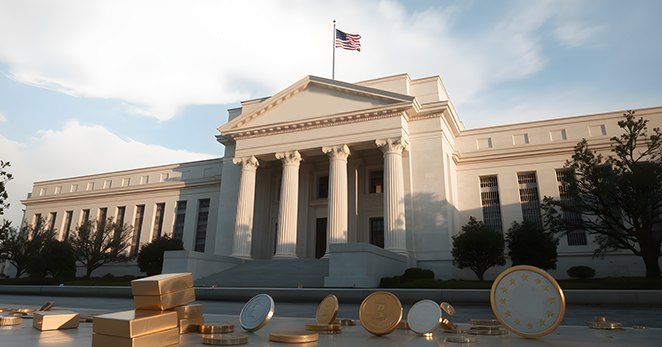
Investors could get burned over the next year if the Federal Reserve needs to hike interest rates to keep a lid on inflation. While all we are seeing now is the steady path forward on interest rates in 2025, this small but significant risk is quietly gaining attention among institutional analysts and investors alike. Though the probability remains low, estimated at just 15%, the potential consequences of such a move could be profound for markets currently priced for rate cuts.
The Federal Reserve, often simply called “the Fed,” is the central bank of the U.S. As a key player in shaping monetary policy, its most potent tool is the ability to influence interest rates.
The Fed’s straightforward monetary theory is that cutting rates makes it cheaper to borrow money, prompting businesses to take out loans to hire more people and expand production. This, in turn, stimulates economic activity and growth. Conversely, when the economy is moving too quickly, the Fed may raise rates to slow things down and prevent inflation from spiraling out of control.
Inflation, Tariffs, and Fiscal Policy

Recent inflation data has offered some relief, surprising markets with a softer tone over the past few months. However, several macroeconomic undercurrents suggest that upward inflationary pressure may re-emerge. One of the biggest unknowns stems from the ongoing impact of elevated tariffs, which currently average around 15%, their highest level since the 1930s. As these tariffs pass through to businesses and consumers, they could contribute to a fresh wave of cost pressures.
At the same time, the anticipated approval of a significant fiscal stimulus package, which includes substantial tax cuts and increased government spending, could boost economic activity in the short term. While this might support growth, it also poses a risk of overheating the economy, especially if inflation expectations rise as a result.
The Federal Reserve remains acutely aware of these dynamics. Chair Jerome Powell recently highlighted that additional cuts remain on the table if inflation trends lower, but he also acknowledged the inflationary risks posed by tariffs and expansionary fiscal policy.
Markets Underestimating Tail Risks
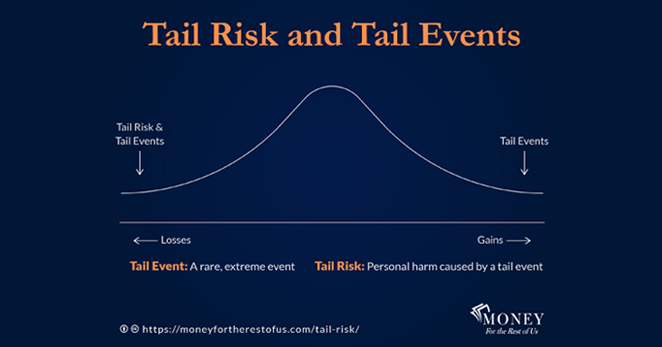
What makes the current environment more complex is the degree to which markets may be underpricing both sides of the Fed’s policy spectrum. On one hand, a deteriorating labor market or slowdown in consumer spending could lead to deeper-than-expected rate cuts. On the other, persistent inflationary shocks could prompt the central bank to pivot back toward tightening.
Neither scenario is currently reflected in market pricing, which continues to anticipate a measured easing cycle through 2026. Should the Fed find itself forced to hike rates unexpectedly, the repricing across bonds, equities, and currencies could be swift and severe. Higher rates tend to weigh on equity valuations and can undermine demand for existing bonds, especially those offering lower yields. Corporations, particularly those reliant on debt financing, may also see margin pressures intensify.
Investor Sentiment at Odds with Reality

Despite existing uncertainties, risk assets have experienced a strong rally. Markets reacted positively to a de-escalation of geopolitical tensions in the Middle East, with the S&P 500 rising more than 1% and the Dow Jones Industrial Average gaining over 500 points in a single session. The 10-year Treasury yield dropped to 4.3%, its lowest level since early May, reflecting optimism about short-term stability.
However, this rally may conceal deeper vulnerabilities. As markets approach all-time highs, any unexpected change in the Federal Reserve’s stance, especially a rate hike, could trigger sharp corrections. This is particularly true for sectors that are already facing stretched valuations or have weak balance sheets.
Forward Planning
VT Markets believes investors should be ready for a wider range of outcomes, rather than just the baseline scenario that is currently favored by consensus. Since January, the Fed has maintained interest rates in the 4.25% to 4.50% range. However, factors such as increasing tariffs, expansionary fiscal policies, and fluctuations in the labor market could quickly change the policy outlook.
For traders and investors, it is essential to remain flexible and base decisions on data. Consider diversifying your investments across different assets and using protective strategies like stop-loss orders. Additionally, closely monitor key macroeconomic releases. In a market where unexpected risks can quickly become significant, being prepared is your most valuable position.








