






Overview
- The Trump-Xi summit lowered the immediate risk of US-China trade escalation, but disputes remain unresolved ahead of the next trade-truce deadline on 10 January 2027.
- Oil prices and US Treasury yields remain market drivers as traders assess whether energy-led inflation could force the Federal Reserve to raise rates again.
- The Reserve Bank of Australia comes into focus on Tuesday, with reports forecasting a rise in the cash rate from 4.35% to 4.60%.
- US Core PCE, JOLTS job openings and Friday’s Non-Farm Payrolls report could reshape expectations for US interest rates and increase volatility across the dollar, gold and equity markets.
Markets Shift Back to Inflation, Rates and Oil
The US-China summit in Washington lowered one source of geopolitical uncertainty. President Donald Trump and Chinese President Xi Jinping continued discussions between the world’s two largest economies. Meanwhile, the existing trade truce has been extended until 10 January 2027.
The meeting also produced several economic agreements. Under the US-China Board of Trade, both countries agreed to reduce tariffs on $30 billion of goods. China also committed to importing at least 10 million metric tons of US coal in 2027 and another 10 million tons in 2028. The White House confirmed these measures after the visit.
However, the summit did not resolve deeper disputes such as the trade truce, rare earth export controls and geopolitical tensions surrounding Iran and Taiwan.
For markets, the immediate risk of another tariff escalation has subsided, but long-term economic relations remain unstable.
US-China Stability Reduces One Source of Market Risk
Agriculture remains an area where existing agreements continue to generate measurable trade flows. China previously committed to purchasing 25 million metric tons of US soybeans annually through 2028. And as of September 10, China’s total US soybean purchase has reached half of the commitment, reflecting China’s dedication to foster diplomatic ties and trade with the US amid tightening global oilseed supplies.
The summit also produced a dialogue about advanced artificial intelligence systems and AI-related incidents, although restrictions surrounding advanced chips and technology investment remain in place. These agreements may help reduce the risk premium attached to another immediate US-China trade conflict. However, businesses still face uncertainty beyond the January deadline, while supply-chain diversification is unlikely to reverse based on a short extension alone.
Oil and Bond Yields Remain the Stronger Market Drivers
US Treasury yields climbed to new highs last week as investors responded to elevated energy costs, strong economic activity and concerns that inflation could remain above central-bank targets. Long-dated US yields reached their highest levels in more than 20 years on Thursday.
Oil then pulled back on Friday as hopes of progress between the United States and Iran reduced supply fears. US Treasury yields stabilised as crude retreated, although markets continued to price the possibility of further Federal Reserve tightening.
This relationship between crude oil, inflation expectations and bond yields remains important for the week ahead. Another sustained rise in oil could reinforce inflation concerns and lift Treasury yields. A deeper oil correction could have the opposite effect, particularly if incoming US economic data also begins to soften.
The Federal Reserve has already raised its policy range by 25 basis points to 3.75%-4.00% this month. Sixteen of 18 policymakers projected at least one additional increase before the end of 2026. This leaves the dollar sensitive to both inflation and labour-market data.
Gold Faces a Higher-Yield Test
Spot gold traded around $4,282.98 per ounce on Friday afternoon and was down about 2.1% for the week. Higher Treasury yields, a firmer US dollar and expectations for further Fed tightening increased the opportunity cost of holding non-yielding bullion.
The next move may depend heavily on US data. A softer Core PCE reading or weaker employment report could pull yields lower and give gold room to recover. Strong inflation or employment figures could reinforce expectations for further Fed tightening and keep gold under pressure.
The RBA Could Add Another Rate Hike
Market reports expect the Reserve Bank of Australia to raise its cash rate from 4.35% to 4.60% on Tuesday. This is consistent with forecasts from Australia’s four major banks, which now expect a 25-basis-point increase on 29 September. Recent inflation pressure, elevated energy prices and hawkish RBA communication have strengthened the case for further tightening.
Traders should watch the RBA’s guidance on future policy. A signal that another increase remains possible could support the Australian dollar. A more cautious assessment of growth and employment could limit the response even if the Bank raises rates.
US Labour and Inflation Data Could Decide the Dollar’s Next Move
JOLTS job openings are forecasted at 7.23 million, compared with 7.27 million previously. Core PCE is forecast to rise 0.30% month on month after 0.20%, with final GDP growth at 1.50%, unchanged from the previous estimates.
Friday brings Non-Farm Payrolls and unemployment data. Data show payroll growth of 98,000 after 162,000 previously, with unemployment holding at 4.10%. These releases could determine whether markets extend expectations for another Fed rate increase.
Stronger employment combined with firm inflation would support the higher-for-longer rate narrative. That combination could favour the US dollar while keeping pressure on gold, bonds and rate-sensitive equities. Weaker labour data alongside softer inflation would challenge that positioning and could encourage a pullback in yields.
Key Symbols to Watch
USDX | XAUUSD | USOIL | USDJPY | AUDUSD
Upcoming Events
| Date | Currency | Event | Forecast | Previous | Analyst Remarks |
| 29 Sep | AUD | RBA Cash Rate | 4.60% | 4.35% | A 25bp hike is expected. Guidance on further tightening could drive AUD volatility. |
| 29 Sep | USD | JOLTS Job Openings | 7.23M | 7.27M | A weaker reading could signal softer labour demand and reduce pressure on US yields. |
| 30 Sep | AUD | CPI y/y | 4.10% | 3.50% | A higher reading could reinforce expectations that Australian policy will remain restrictive. |
| 30 Sep | USD | Core PCE Price Index m/m | 0.30% | 0.20% | An upside reading could strengthen expectations for another Fed rate increase. |
| 30 Sep | USD | Final GDP q/q | 1.50% | 1.50% | A revision could alter expectations around US growth resilience and the rate outlook. |
| 2 Oct | JPY | Tokyo Core CPI y/y | 2.40% | 1.80% | A stronger reading could revive expectations for tighter Bank of Japan policy. |
| 2 Oct | USD | Non-Farm Employment Change | 98K | 162K | A sharp deviation from forecast could drive the dollar, yields, gold and equity indices. |
| 2 Oct | USD | Unemployment Rate | 4.10% | 4.10% | A rise would point towards labour-market cooling, while a lower rate could reinforce Fed tightening expectations. |
For a full view of upcoming economic events, check out VT Markets’ Economic Calendar.
Key Movements of the Week
USDX
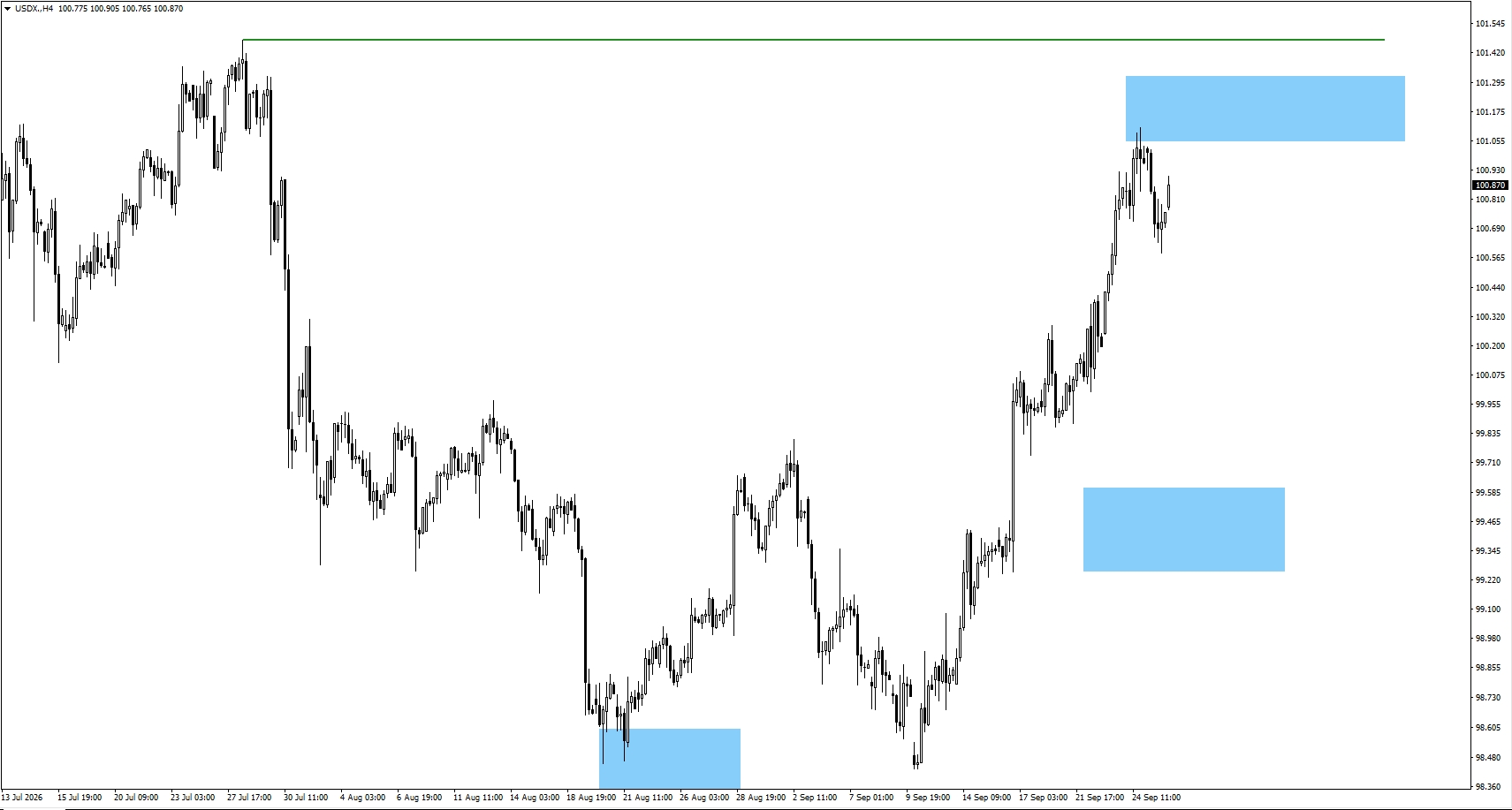
- USDX traded down from the 101.25 monitored area but more price action is needed for now to see if it is ready to move lower.
- Price could consolidate here like the prior move at the end of August before moving higher, breaking 101.473, before coming down.
XAUUSD
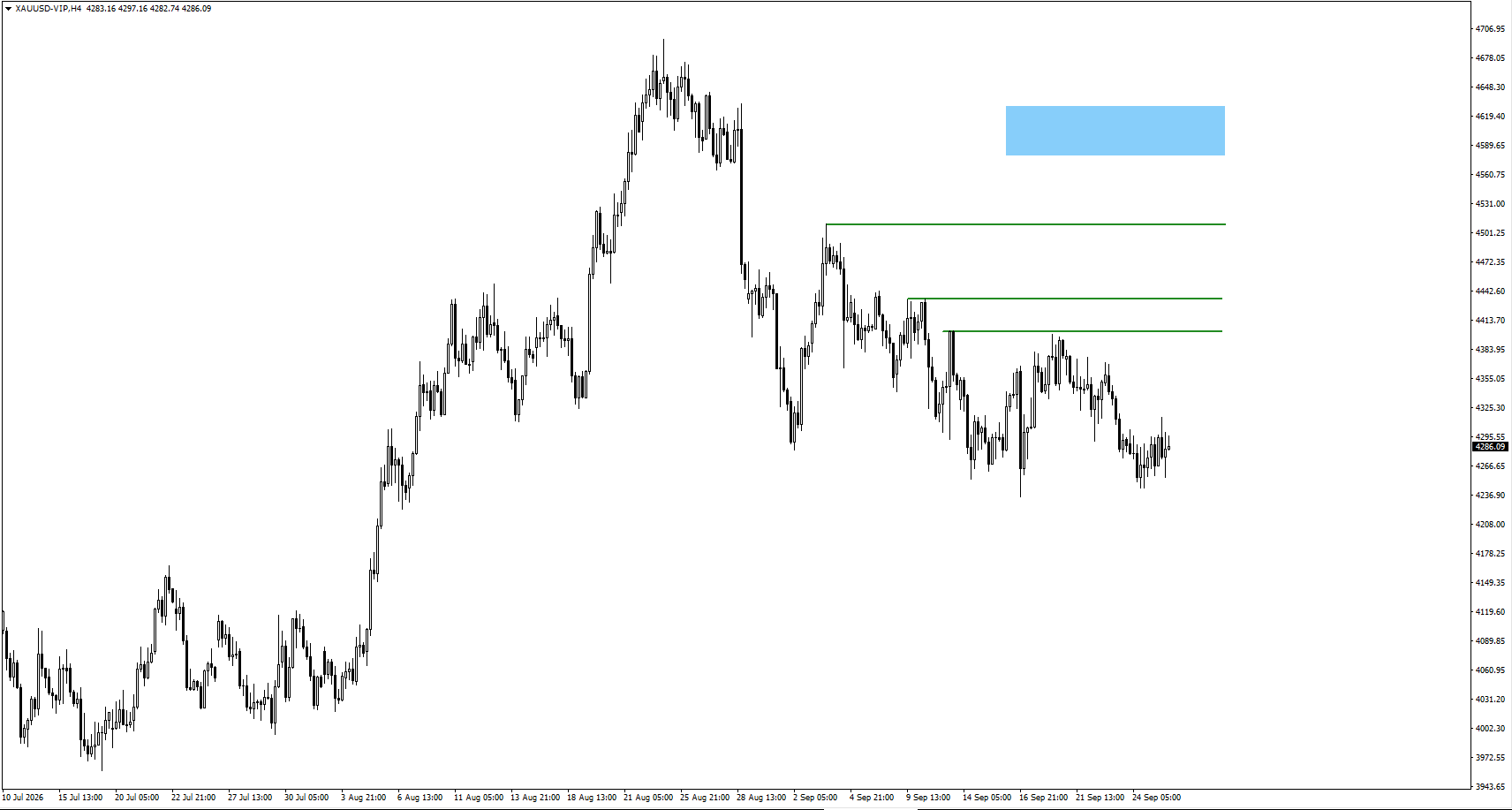
- Once Gold trades below 4235.14, monitor price action moving forward.
USOIL
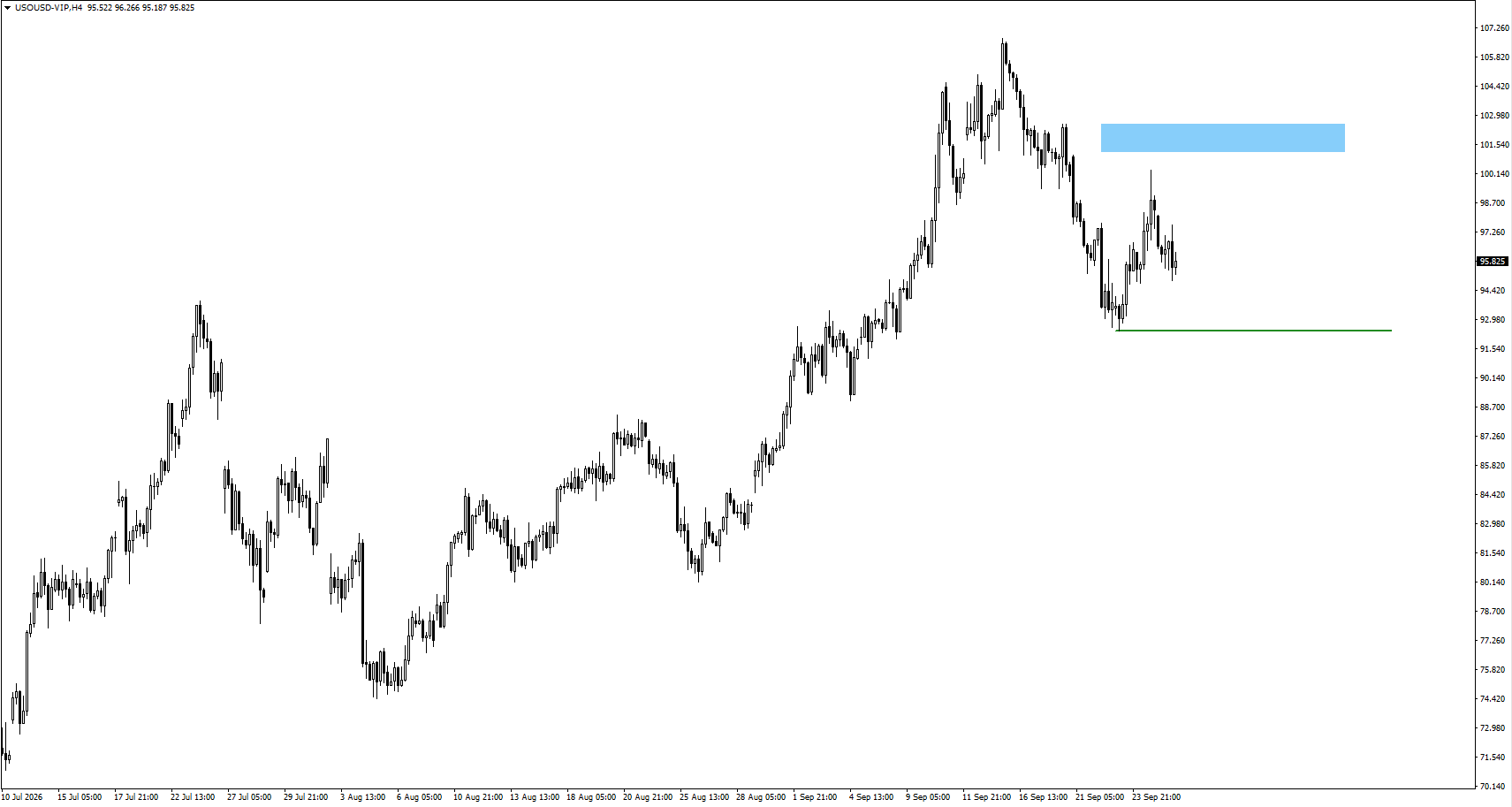
- USOil traded above the 97.25 monitored area.
- For now, monitor the 101.45 area or 92.419 low.
USDJPY
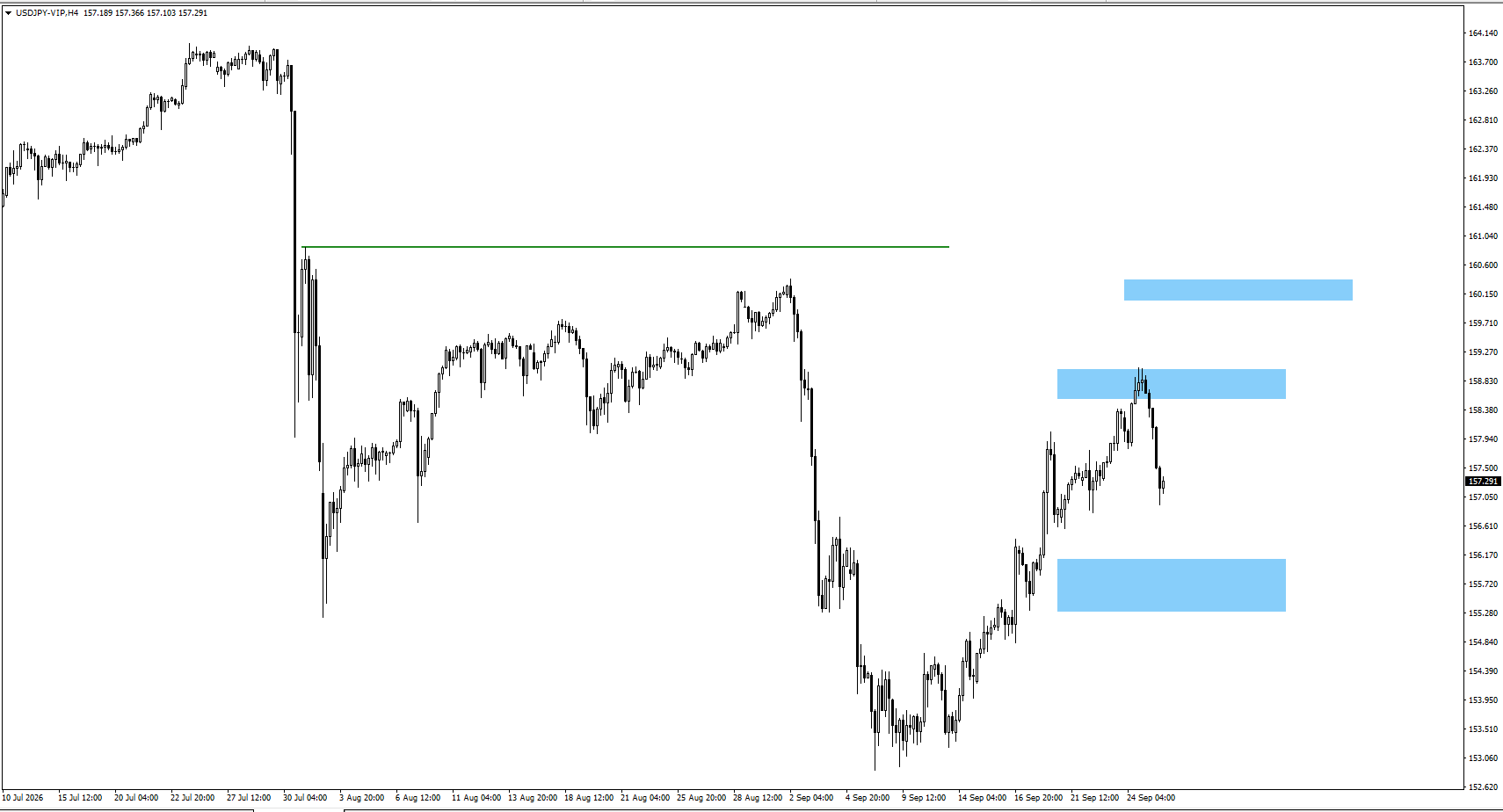
- USDJPY traded down from the 158.75 monitored area.
- Monitor 156.57 should price trade lower.
- However, should price trade higher, look for bearish price action at 160.25. This area would be crucial for USDJPY.
AUDUSD
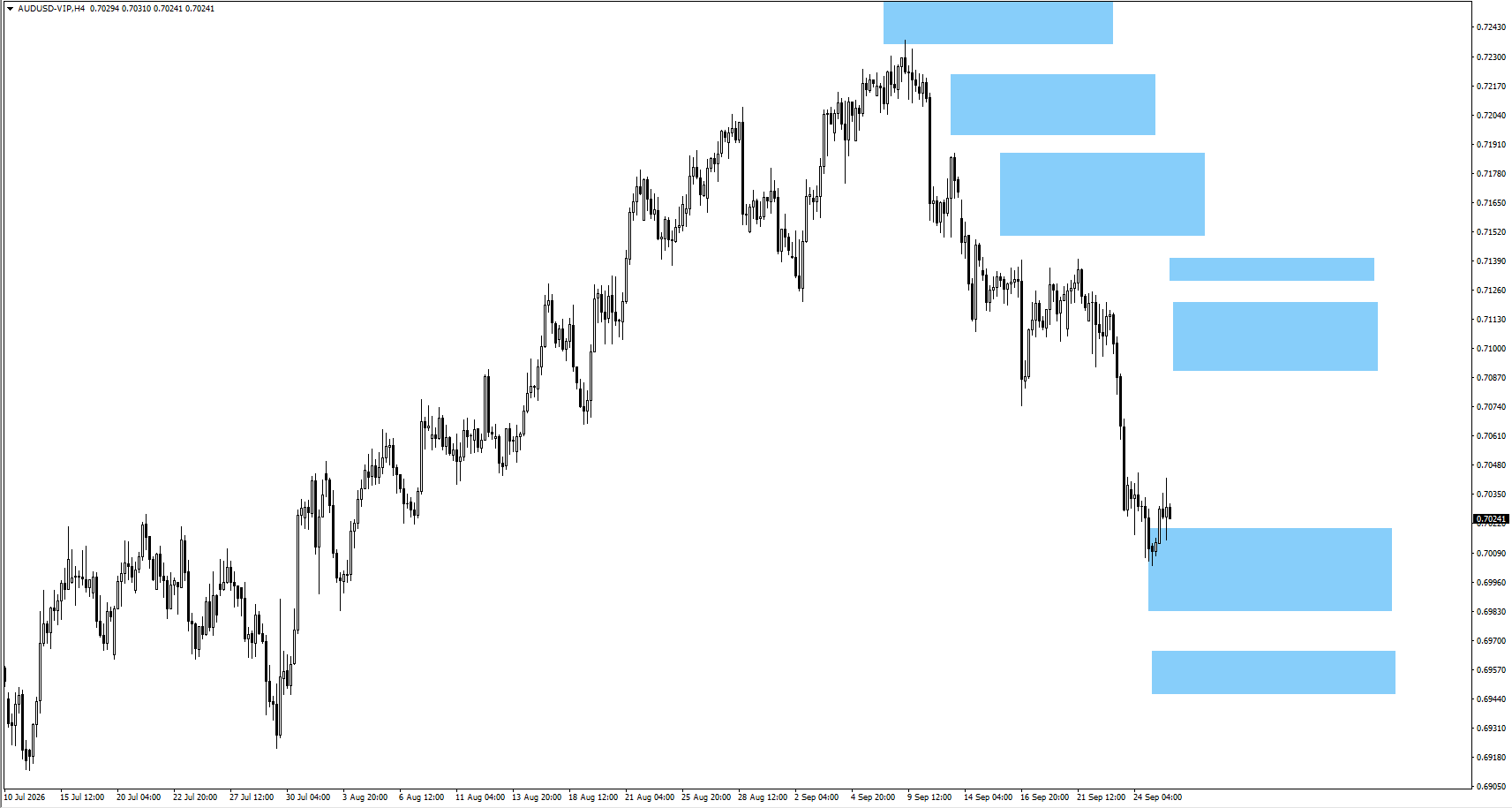
- AUDUSD is trading at the 0.7000 monitored area.
- Should AUDUSD move lower, monitor price action at 0.6955.
- Should price consolidate next, look for bearish price action from 0.7110 or 0.7130
Bottom Line
The Trump-Xi summit has reduced the immediate risk of renewed US-China trade escalation, but it has not removed the longer-term disputes surrounding tariffs, technology and critical minerals. The next trade-truce deadline on 10 January 2027 remains an important policy marker.
For the coming week, monetary policy and inflation are likely to carry more weight in day-to-day trading. The RBA rate decision begins the sequence on Tuesday, followed by Australian CPI, US Core PCE, Fed commentary and Friday’s US employment report. Oil remains an additional variable because another supply-driven rally could push inflation expectations and Treasury yields higher.
Create a live VT Markets account today to access our platform features, including market insights and educational content.
Frequently Asked Questions
- What are the key market events to watch this week?
Traders will focus on the RBA interest rate decision, Australian inflation, US Core PCE inflation, JOLTS job openings and Friday’s US Non-Farm Payrolls report. VT Mkt report 20260928 part 1
- When is the RBA interest rate decision?
The Reserve Bank of Australia is due to announce its interest rate decision on 29 September. The report forecasts the cash rate at 4.60%, up from 4.35% previously. VT Mkt report 20260928 part 1
- When is the US Non-Farm Payrolls report?
The US Non-Farm Payrolls report is scheduled for 2 October. The report forecasts employment growth of 98,000, down from 162,000 previously, while the unemployment rate is expected to remain at 4.10%. VT Mkt report 20260928 part 1
- How could US payrolls affect gold prices?
Stronger employment data could reinforce expectations for tighter Federal Reserve policy, potentially supporting the US dollar and Treasury yields while pressuring gold. Weaker data could reduce rate expectations and provide support for gold.
- What could drive the US dollar this week?
The dollar could react to JOLTS job openings, Core PCE inflation, Non-Farm Payrolls and comments from Federal Reserve officials. These releases could influence expectations for the next US interest rate move.
Start trading now — click here to create your real VT Markets account.








