







Overview
- September US Nonfarm Payrolls rose by only 29,000, while unemployment increased to 4.2%, pushing expectations for another Federal Reserve rate hike in October sharply lower.
- The first post-NFP moves did not hold across every market. Treasury yields rebounded, forcing gold and Bitcoin to retreat from their initial gains while US equities held up better.
- The US Dollar Index remains sensitive to the changing rate outlook, while EURUSD and GBPUSD could benefit if dollar selling resumes.
- Traders will watch US services activity, Federal Reserve meeting minutes and Treasury yields, alongside BOJ Governor Kazuo Ueda’s speech for signals on the USDJPY.
Expectations for a Fed Hike Falls
The first full week of October begins with markets adjusting to a much softer US labour picture. September Nonfarm Payrolls increased by just 29,000, far below expectations of 90,000. The unemployment rate rose from 4.1% to 4.2%, while average hourly earnings increased by only 0.1% month on month. Revisions also weakened the previous picture. August payroll growth was revised down from 162,000 to 133,000, while July and August combined lost 60,000 jobs through revisions.
The report extended a shift that had already started earlier in the week. US job openings fell by 256,000 to 7.079 million, while softer PCE inflation reduced some of the pressure on the Federal Reserve to raise rates again immediately.
Market expectations shifted quickly. The probability of another Fed rate increase in October had stood near 70% at the beginning of last week. It fell towards 38% as softer data arrived, then dropped to around 22% following Friday’s employment report. Now, markets need to judge whether the weaker labour data can keep rate expectations low when inflation, oil prices and long-term Treasury yields remain high.
NFP Changed the Rate Outlook, but Yields Complicated the Reaction
Weak employment data reduced expectations for further monetary tightening. Treasury yields initially fell and the US dollar weakened, though gold, Bitcoin and US equities moved higher.
On the other hand, the 10-year Treasury yield fell towards 5.16% after NFP before reversing higher later in the session. Investors returned their attention to inflation risks, elevated oil prices and concerns around government debt and Treasury supply.
This produced an unusual split. Markets became less convinced that the Fed would raise rates again in October, but investors did not become equally comfortable with the longer-term inflation outlook. If short-term Fed expectations remain softer while longer-term yields stay high, the dollar may struggle to find broad support, but rate-sensitive assets such as gold and technology shares could still face periods of pressure.
US Dollar Faces a Test of the Post-NFP Repricing
The US Dollar Index dropped from around 102.00 to roughly 101.66 immediately after the payroll report as traders reduced October rate-hike expectations. The index later recovered towards 101.92 as Treasury yields rebounded, although it remained below its pre-NFP level. Relative interest rates, US growth expectations, safe-haven demand and longer-term Treasury yields all remain part of the equation.
USDX has already broken above the previous 101.473 swing high, but the market report continues to favour the possibility of renewed downside. A move towards 101.00 would put sellers back in control. If the index instead extends higher, 102.55 becomes the next area to watch for a possible bearish response.
Dollar direction could also shape the major FX pairs. EURUSD remains under pressure but could attempt a recovery, with 1.1350 the first upside area to monitor. If selling continues first, 1.1200 to 1.1150 forms the lower support region. GBPUSD also made a fresh low last week. The broader setup leaves room for a recovery towards 1.3380, although price could break below 1.31393 before a stronger rebound develops.
Gold Finds Support From Fed Expectations but Not From Yields
Gold initially responded strongly to the weaker employment report. The metal climbed from around $4,185 to above $4,227 as Treasury yields and the dollar fell. That move reflected a lower opportunity cost for holding a non-yielding asset and a softer dollar backdrop.
However, the uptrend did not last. As Treasury yields rebounded, gold reversed sharply and fell towards the $4,125 to $4,140 area. The reversal leaves gold caught between two competing forces. Lower expectations for another immediate Fed hike can support the metal. Persistently high long-term yields work in the opposite direction by increasing the opportunity cost of holding gold.
From a technical perspective, $4,280 is the main upper area to monitor if gold consolidates and rebounds. That level becomes less useful if price first breaks below $4,111.31. If selling extends, the report identifies $4,080 as the next area where bullish price action could emerge.
S&P 500 Welcomed the Lower Rate-Hike Risk
US equities responded more positively to the change in Fed expectations. The S&P 500 jumped from around 7,675 to above 7,750 following NFP. It later gave back part of the move but settled near 7,720, remaining above its pre-release level.The index gained around 0.7% on Friday, while the Nasdaq rose approximately 1.2%.
The reaction suggests equity investors remain willing to treat slower employment growth as supportive while the slowdown remains controlled. Weaker employment can help equities when it reduces the chance of further monetary tightening without pointing towards a sharp economic contraction. If labour conditions deteriorate more quickly, attention may shift towards weaker household spending and corporate earnings.
For now, the S&P 500 has continued to respond positively around the 7,635 area. Further consolidation could allow the index to test higher levels again. Traders should continue watching Treasury yields as a renewed surge in long-term yields could put pressure back on equity valuations, particularly in rate-sensitive growth shares.
Bitcoin Gives Back Its Post-NFP Rally
BTCUSD traded near $87,165, up approximately 2.5% around the US market open, and briefly approached $87,220 following the employment report. The move then reversed sharply, with Bitcoin falling back towards $84,000.
Unlike equities, Bitcoin does not generate earnings that can be discounted against interest rates. Its connection to Fed policy instead runs through liquidity, the dollar and broader risk appetite. Lower expected rates can improve financial conditions and encourage investors further along the risk curve. However, Friday’s reversal showed that easier Fed expectations alone were not enough to sustain the rally.
The technical structure remains important after BTC found support around $82,085. If Bitcoin moves lower again, $78,450 and $76,450 are the next areas where bullish price action could emerge.
USDJPY Turns Attention to the Bank of Japan
The yen adds another central-bank theme to this week’s market. USDJPY approached 158.75 before moving lower and returning to consolidation.
Attention now shifts to BOJ Governor Kazuo Ueda, who is scheduled to speak on Tuesday. Traders will monitor his comments for clues on the Bank of Japan’s rate path, particularly after Japan accelerated monetary tightening amid persistent inflation and yen weakness.
For USDJPY, 155.85 is the first downside area to monitor if the pair weakens. If price instead pushes higher, 160.25 becomes a key resistance area. A test of that zone could attract increased attention given its position above the recent range.
Key Symbols to Watch
XAUUSD | USDX | SP500 | BTCUSD | USDJPY
Upcoming Events
| Date | Currency | Event | Forecast | Previous | Analyst Remarks |
| 5 Oct | USD | ISM Services PMI | 55.1 | 55.4 | Services activity can show whether weak payroll growth reflects a wider loss of momentum. Employment and prices components deserve close attention. |
| 6 Oct | JPY | BOJ Governor Ueda Speaks | N/A | N/A | Watch for guidance on inflation, the yen and the timing of further BOJ tightening. |
| 8 Oct | USD | FOMC Meeting Minutes | N/A | N/A | Focus on how policymakers assessed inflation risks and the case for further tightening at the September meeting. |
For a full view of upcoming economic events, check out VT Markets’ Economic Calendar.
Key Movements of the Week
XAUUSD
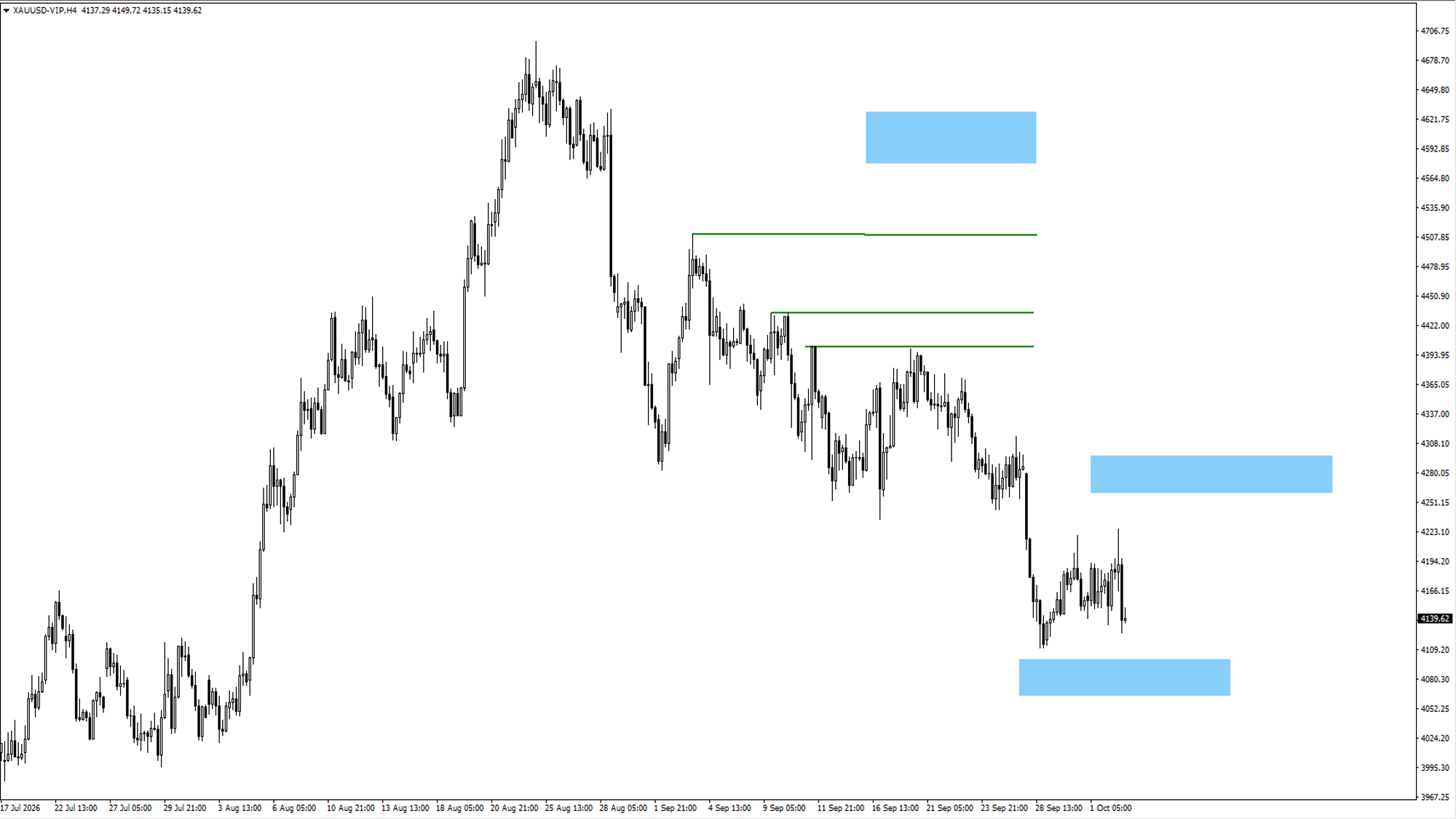
- Should Gold consolidate further, look for bearish price action at 4280. But do not use this area if the price breaks 4111.31 first before testing 4280.
- In the event that the price trades lower, look for bullish price action at 4080.
USDX
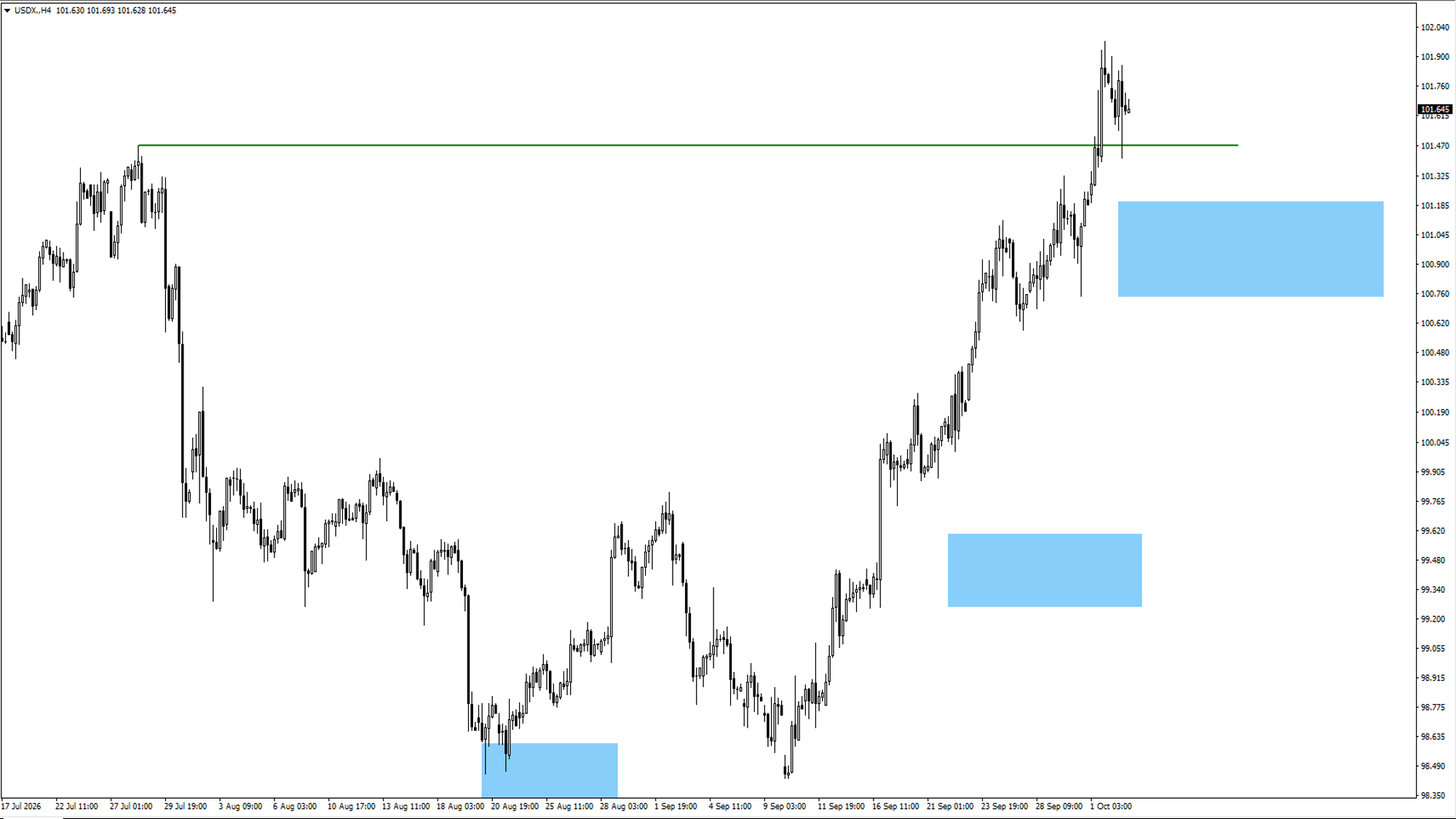
- After breaking the 101.473 swing high, USDX is expected to trade lower.
- After NFP revealed a weaker job market, USDX was expected to move lower but the move did not follow through. Monitor Monday’s move to see if sellers finally appear. If it does, monitor price action at 101.00.
- Should prices trade higher, look for bearish price action at 102.55.
SP500
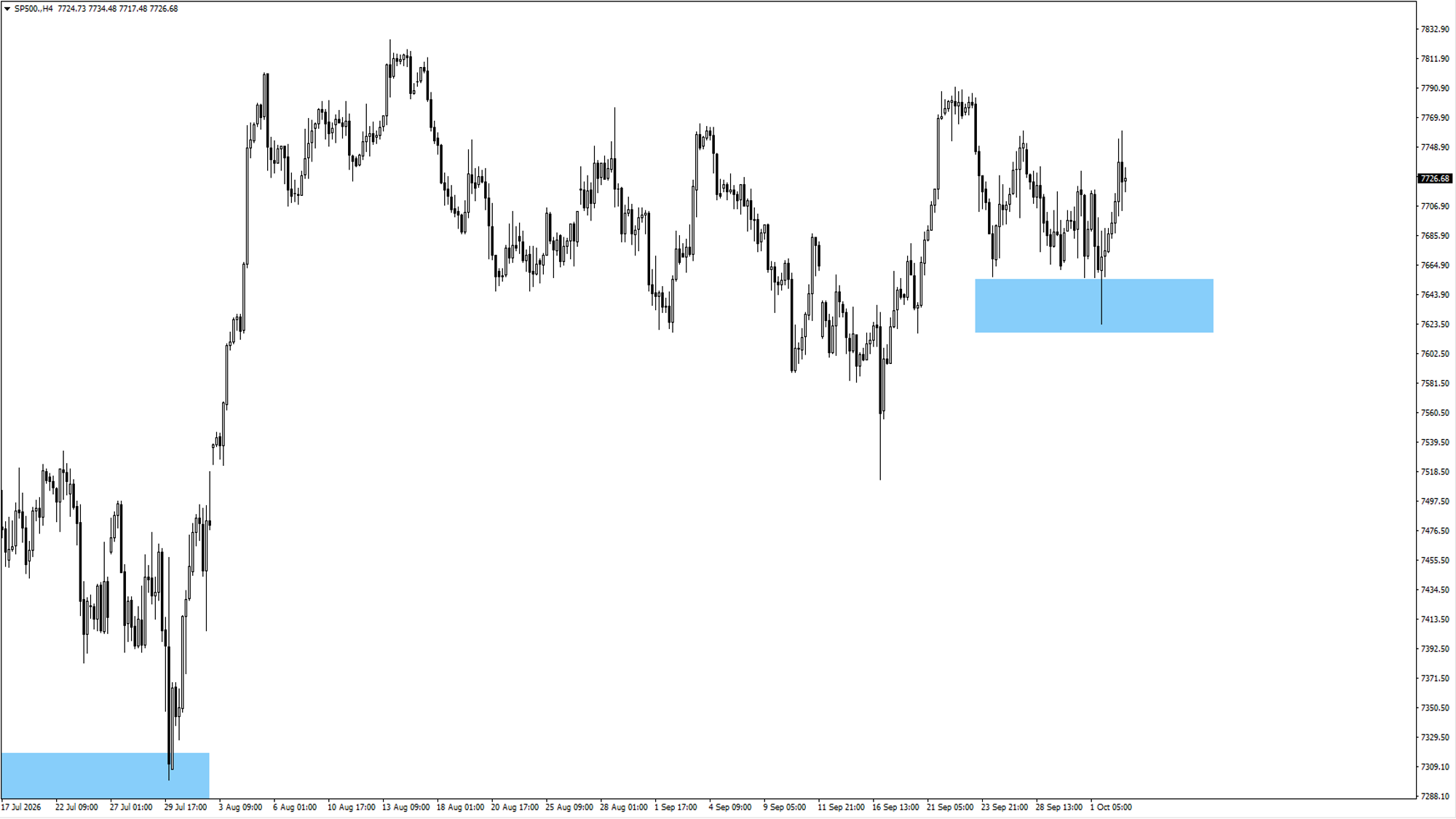
- SP500 traded up from the 7635 monitored area once again.
- Should price consolidate next, SP500 could trade higher.
BTCUSD
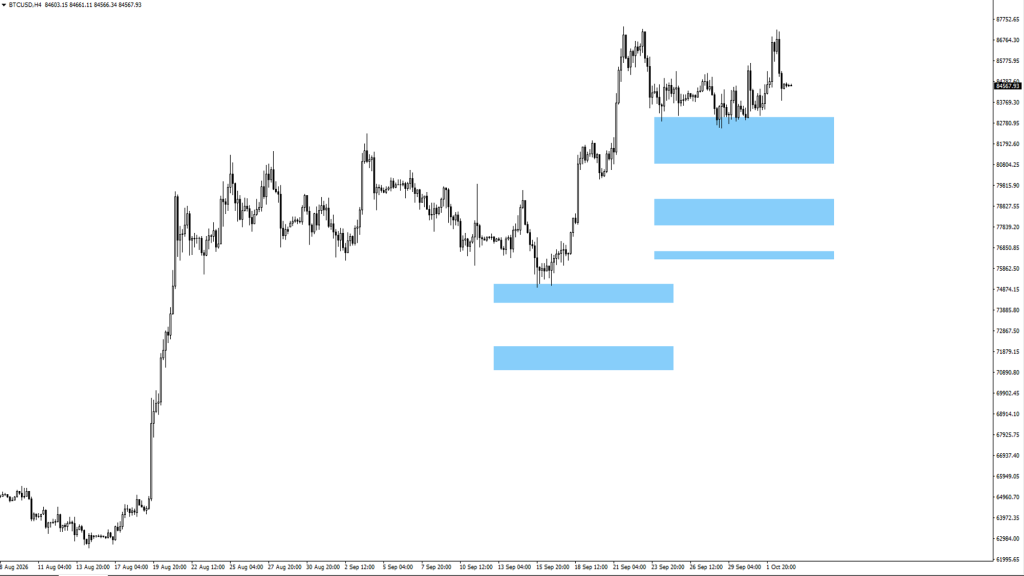
- BTC found support at the 82085 monitored area.
- Should BTC trade lower, look for bullish price action at 78450 or 76450.
USDJPY
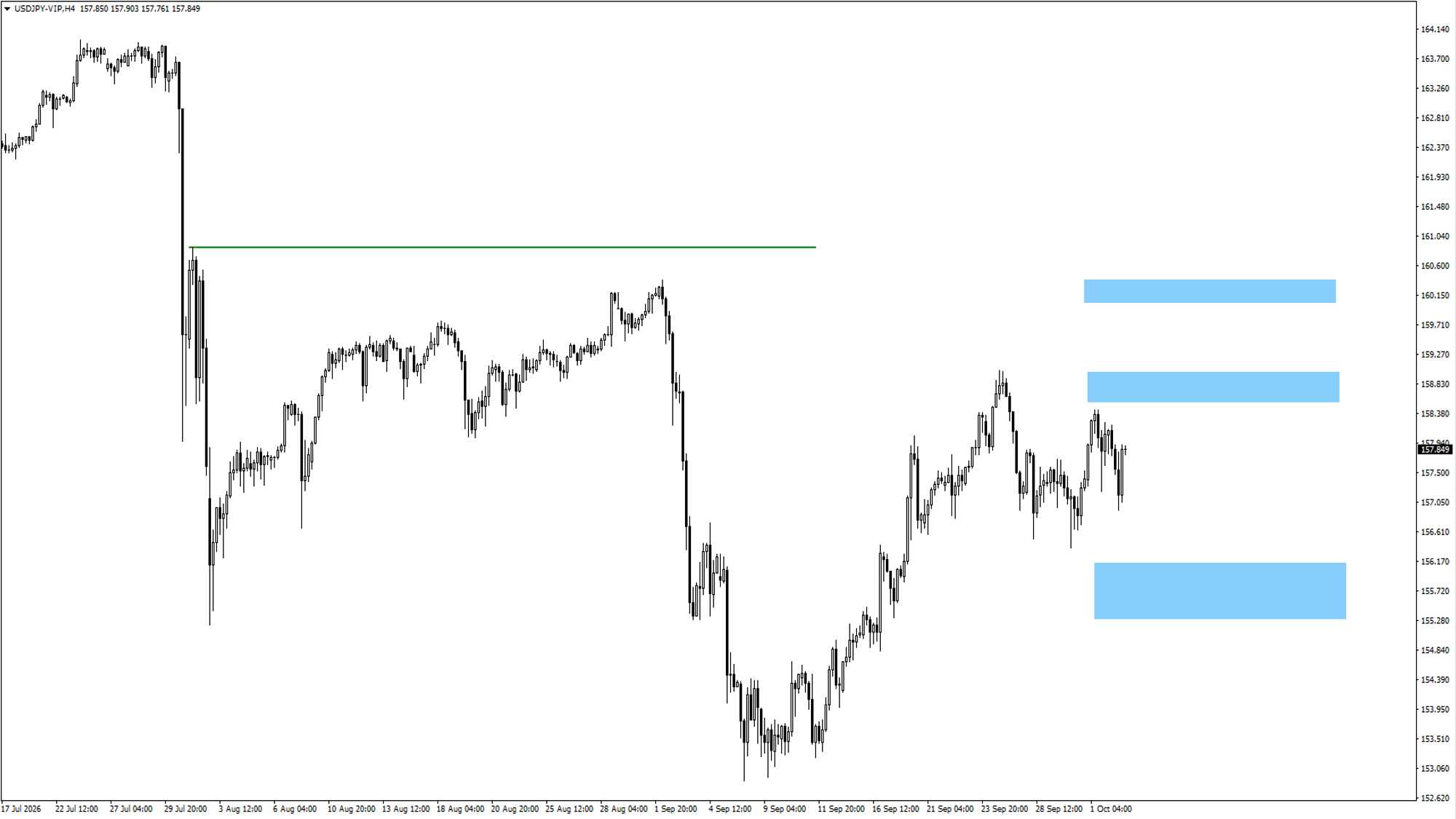
- USDJPY came close to 158.75 and traded lower, forcing the price to consolidate further.
- If price trades lower, monitor price action at 155.85.
- Should price trade even higher, look for bearish price action at 160.25. This area would be crucial for USDJPY.
Bottom Line
September’s employment report changed the near-term Fed calculation. Payroll growth of only 29,000, unemployment at 4.2% and softer wage growth have pushed the probability of another October rate increase sharply lower. The cross-asset response remains less straightforward because long-term Treasury yields continue to reflect inflation, energy and fiscal risks. That tension puts yields at the centre of this week’s outlook. Lower yields would reinforce pressure on the dollar and could support gold, equities and other risk assets. Another rise in yields could produce the opposite reaction even if the Fed remains on hold in October. ISM services, Governor Ueda’s remarks and the FOMC minutes provide the main scheduled catalysts before attention turns towards US CPI, PPI and retail sales next week.
Create a live VT Markets account today to access our platform features, including market insights and educational content.
FAQ
Why did the US dollar fall after the September NFP report?
The US dollar initially weakened because September Nonfarm Payrolls rose by only 29,000, well below expectations of around 90,000. Unemployment also increased from 4.1% to 4.2%. The weaker labour data reduced expectations for another Federal Reserve rate hike in October, lowering the dollar’s near-term interest-rate support.
What does weaker US jobs data mean for the Federal Reserve?
The September jobs report strengthened the case for the Fed to keep rates unchanged at its October meeting. Market expectations for another October rate increase fell from around 70% at the start of last week to roughly 22% after NFP. Inflation, Treasury yields and incoming economic data can still change the policy outlook before the meeting.
Could gold prices rise this week?
Gold could receive support if Treasury yields and the US dollar move lower as traders price in a less aggressive Fed. However, Friday showed that lower rate-hike expectations alone may not be enough. Gold rose above $4,227 after NFP before reversing as Treasury yields recovered.
Why did the S&P 500 rise after weak US employment data?
The S&P 500 initially benefited because weaker employment data reduced the probability of another near-term Fed rate hike. Lower expected interest rates can ease pressure on equity valuations. A much sharper deterioration in the labour market could change that relationship if investors begin focusing more on weaker growth and corporate earnings.
What could move Bitcoin this week?
Bitcoin remains sensitive to global liquidity, US interest-rate expectations, the dollar and wider risk sentiment. BTCUSD initially climbed towards $87,220 after NFP but later reversed towards $84,000.
What are the main market events to watch this week?
Traders should monitor US services data, BOJ Governor Kazuo Ueda’s remarks and the FOMC meeting minutes. Treasury yields will also be important because their post-NFP rebound affected gold, Bitcoin and the US dollar. Attention will then shift towards US CPI on 14 October, followed by PPI and retail sales on 15 October.
Start trading now — click here to create your real VT Markets account.








