






Overview
- US employers added 162,000 jobs in August, well above expectations, while unemployment held at 4.1%, lifting September Fed hike expectations towards 60%.
- US inflation data now takes centre stage, with PPI due on 10 September and CPI on 11 September ahead of the Fed meeting on 15–16 September.
- A stronger US labour market supports the dollar and Treasury yields, while gold faces pressure if inflation keeps rate expectations elevated.
- Traders should monitor USDX, XAUUSD, EURUSD, GBPUSD and USOil as price approaches key technical zones.
Strong Jobs Data Shifts the Fed Debate
The US labour market delivered a stronger result than markets expected in August. Employers added 162,000 jobs, compared with forecasts of around 55,000, while the unemployment rate remained at 4.1%. The report also showed that previous payroll figures for June and July were revised higher by a combined 55,000.
The reaction was immediate. Treasury yields moved higher, the US dollar strengthened—tracked closely via the US Dollar Index (DXY)—and gold came under pressure as traders increased the probability of another Federal Reserve rate hike. CME FedWatch pricing put the probability of a 25-basis-point September hike at around 60%, up from below 50% before the employment release.
The labour market strength gives the Fed more room to keep policy restrictive. The current federal funds target range is 3.50% to 3.75%, and three policymakers voted for a 25-basis-point increase at the July meeting.
However, the jobs report does not settle the September decision. Average hourly earnings increased by 3.1% year on year, showing that wage growth is not accelerating sharply. The Fed can therefore continue to learn how to trade interest rate expectations and wait for clearer evidence on inflation before deciding whether another increase is required.
That leaves inflation as the next major test.
CPI Could Decide the September Rate Path
The next two US inflation releases arrive just days apart. PPI is due on 10 September, followed by CPI on 11 September, before the Federal Reserve meets on 15 and 16 September.
The report’s calendar shows US PPI month-on-month forecast at 0.40%, compared with 0.00% previously. Core CPI year on year is forecast at 2.4%, down from 2.5%, while headline CPI is expected to remain at 3.4%. Understanding how macro releases drive price volatility is essential when implementing strategies like 5 steps to trade forex on news releases.
A hotter inflation reading would reinforce the argument for higher rates. The combination of strong employment, inflation above the Fed’s 2% target and financial conditions that are not especially restrictive would give policymakers a stronger case for tightening. Kevin Warsh has already placed greater emphasis on inflation after his Jackson Hole remarks, and Barclays has shifted towards two additional 25-basis-point hikes this year.
A softer CPI reading would produce a different setup. If price pressures ease, the Fed could argue that existing policy restraint is gaining traction and leave rates unchanged despite the strong employment data. Investors weighing how assets perform during inflationary shifts can review gold and inflation: is gold really an inflation hedge?.
Markets therefore enter the week with a clear sequence: jobs first, inflation next, Fed decision after that.
Trump Pressure Adds Another Policy Risk
The monetary-policy debate is also taking place against renewed pressure from President Donald Trump for lower interest rates.
Following the strong jobs report, Trump argued that the strength of the US economy should support cheaper borrowing costs and again called for the Fed to lower rates. He also threatened trade restrictions against countries running trade surpluses with the US if the Fed does not cut rates.
For markets, this creates a policy conflict. Stronger growth gives the Fed more room to focus on inflation, while political pressure is pushing in the opposite direction. Traders managing positioning through these macro shifts often rely on how to conduct scenario analysis in CFD trading to evaluate risks.
Trade restrictions could also complicate the inflation outlook. Higher import costs and disrupted supply chains could increase price pressures, potentially giving the Fed another reason to keep rates elevated. Changes in trade flows could also affect international capital flows into US financial assets, major equity indices, and Treasury markets. For a macro-level approach to positioning across asset classes, see this guide on top-down vs bottom-up fundamental analysis.
Key Symbols to Watch
USDX | EURUSD | GBPUSD | XAUUSD | USOil
Upcoming Events
| Date | Currency | Event | Forecast | Previous | Analyst Remarks |
| 10 Sep | EUR | Main Refinancing Rate | 2.65% | 2.40% | A higher rate would reinforce the focus on persistent European inflation. |
| 10 Sep | USD | Core PPI m/m | 0.30% | 0.20% | A stronger PPI reading could lift rate expectations ahead of CPI. |
| 11 Sep | GBP | GDP m/m | 0.00% | 0.30% | A flat reading would signal a slowdown in UK economic growth and could weigh on GBP. |
| 11 Sep | USD | Core CPI y/y | 2.40% | 2.50% | A softer reading could ease pressure on the Fed to tighten. |
| 11 Sep | USD | CPI y/y | 3.40% | 3.40% | A surprise above 3.4% could support the dollar and yields. |
For a full view of upcoming economic events, check out VT Markets’ Economic Calendar.
Key Movements of The Week
USDX
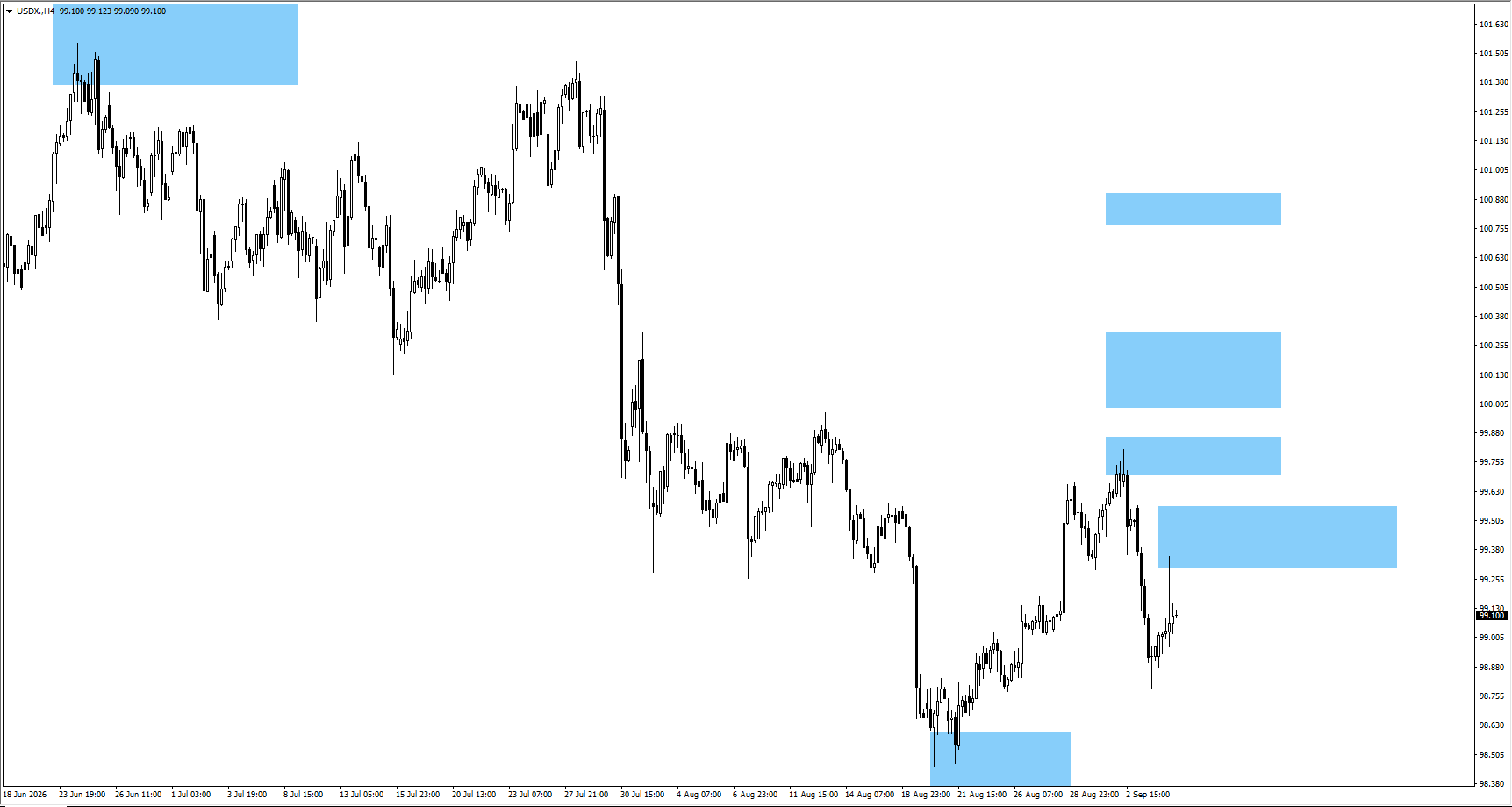
- USDX found resistance around 99.50 after the strong US jobs report pushed rate-hike expectations higher.
- Price could move lower and break 98.788 before recovering. A deeper move through the 98.455 swing low is also possible before an upside move.
EURUSD
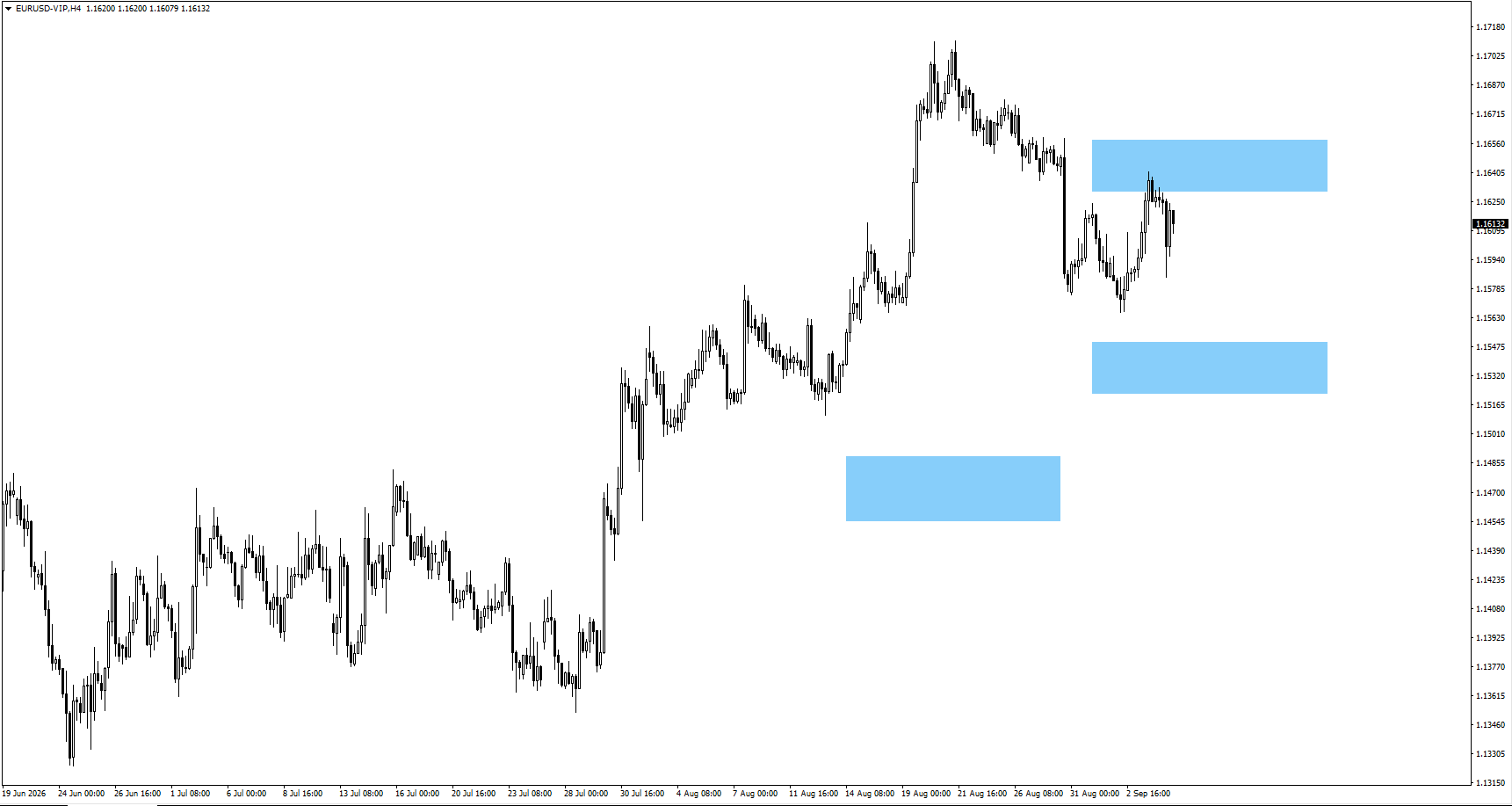
- EURUSD found resistance around 1.1640.
- The pair could break 1.16588 or 1.17108 before turning lower. If price falls, 1.1530 becomes the key area to monitor.
GBPUSD
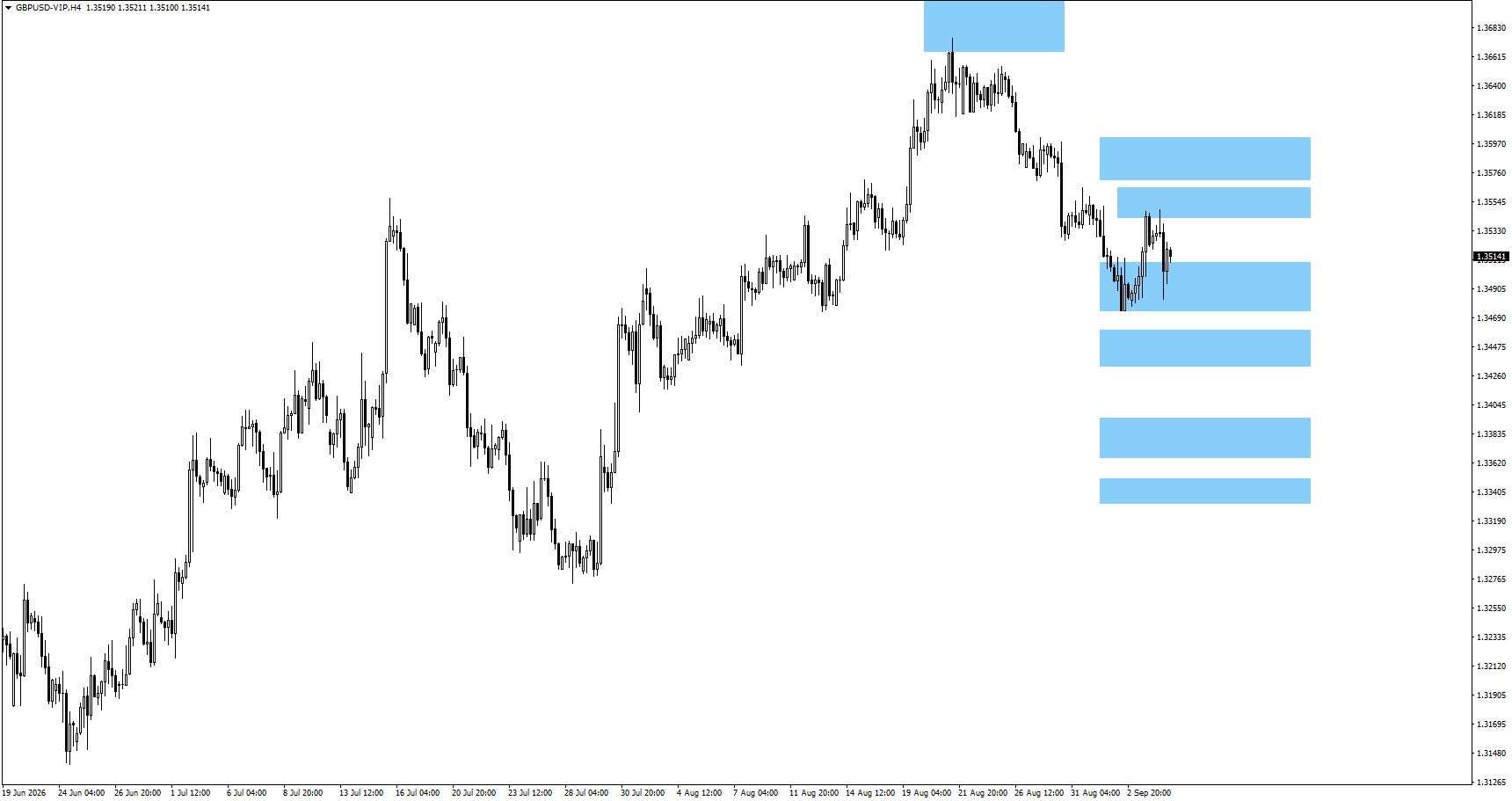
- GBPUSD found resistance around 1.3540 but retained scope for another move higher.
- A move above resistance would bring 1.3575 into focus. On the downside, monitor 1.3440 and 1.3385.
USDJPY
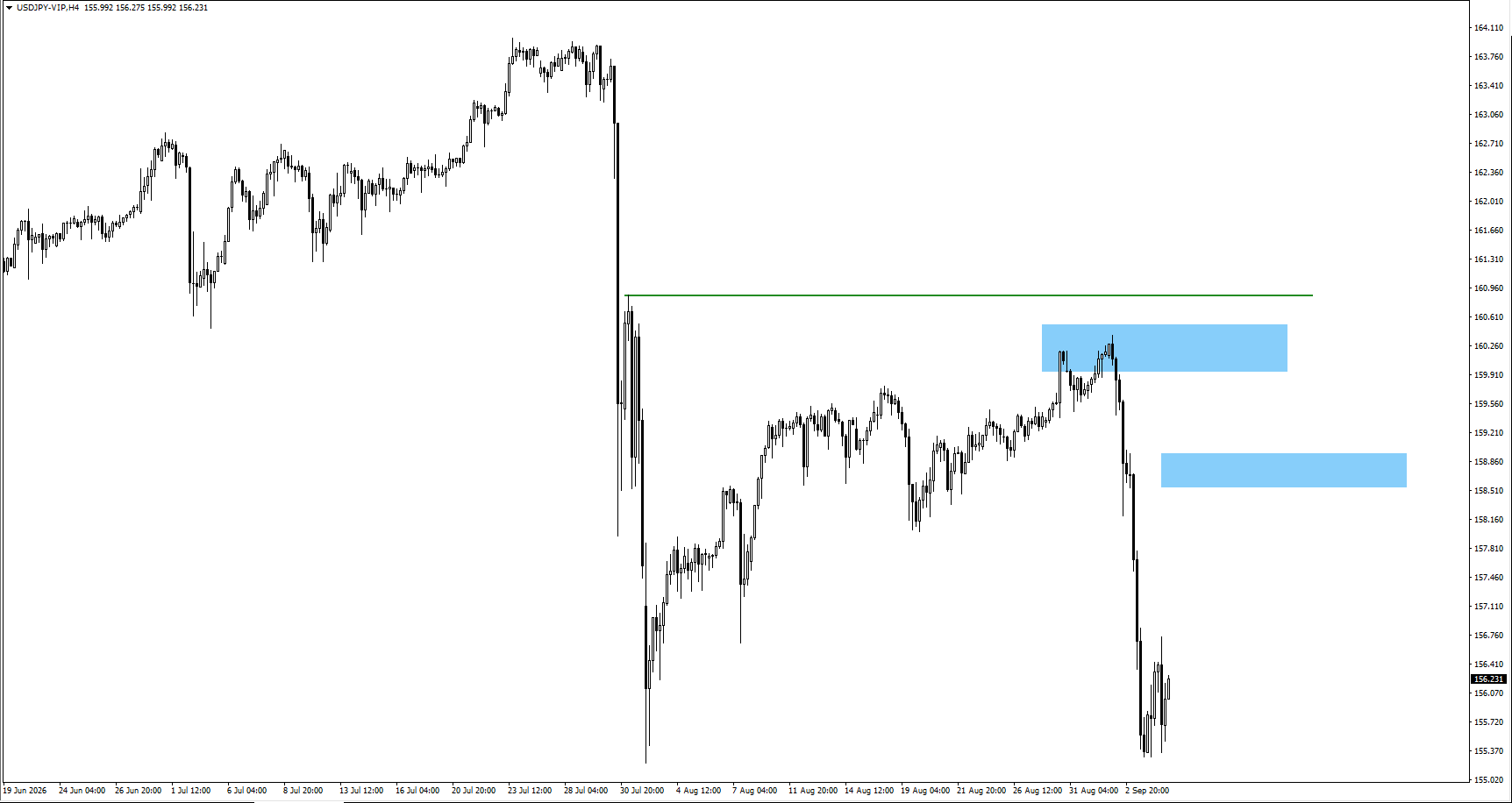
- USDJPY remained in focus as the pair consolidated, with 155.215 identified as the next downside level if consolidation develops.
- A deeper consolidation could bring 158.75 into play as a potential resistance area.
XAUUSD (Gold)
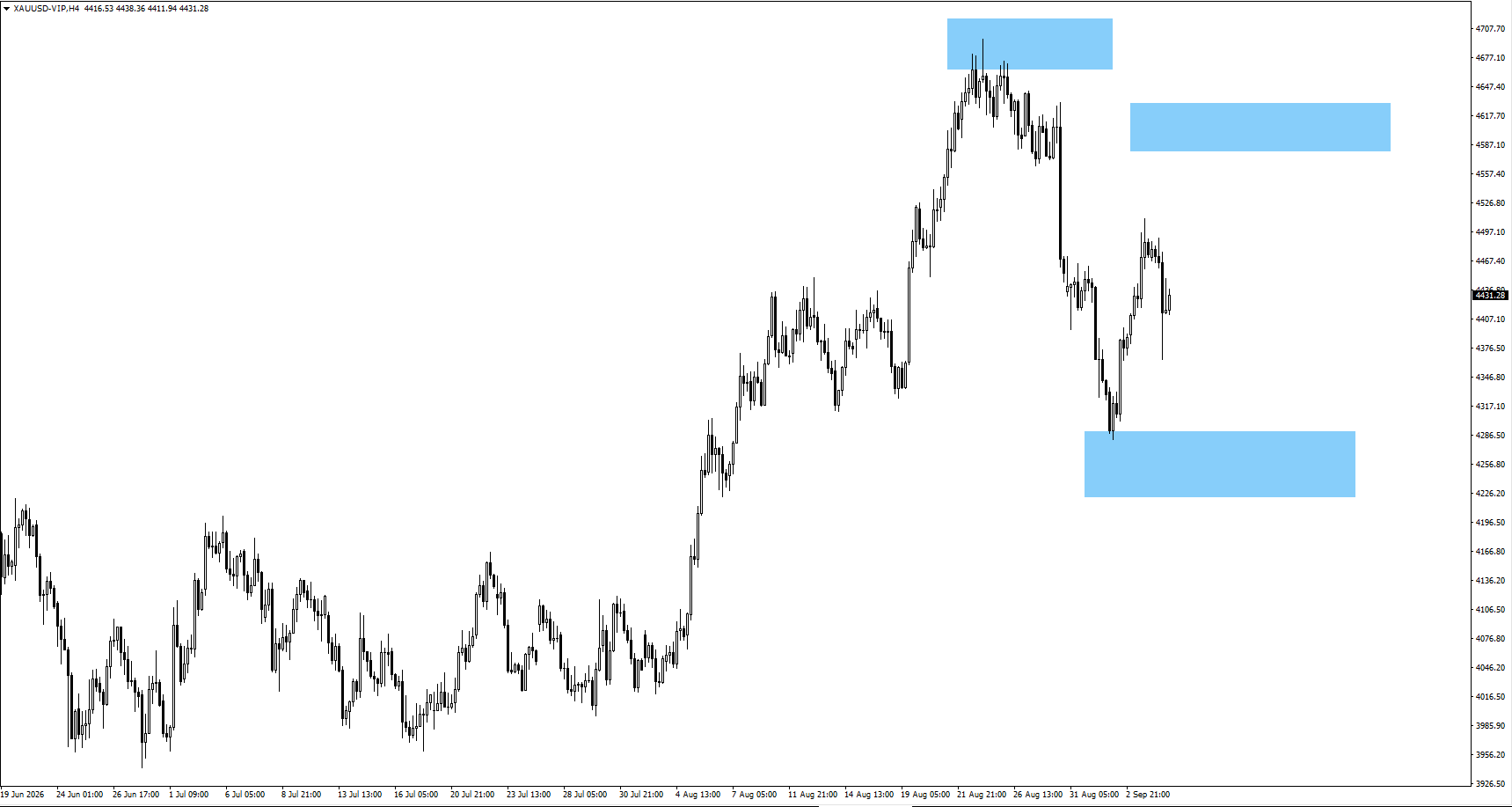
- Gold fell as Treasury yields and the US dollar strengthened after the August jobs report.
- Gold could consolidate before another upward move, with 4600 the key monitored area.
SP500
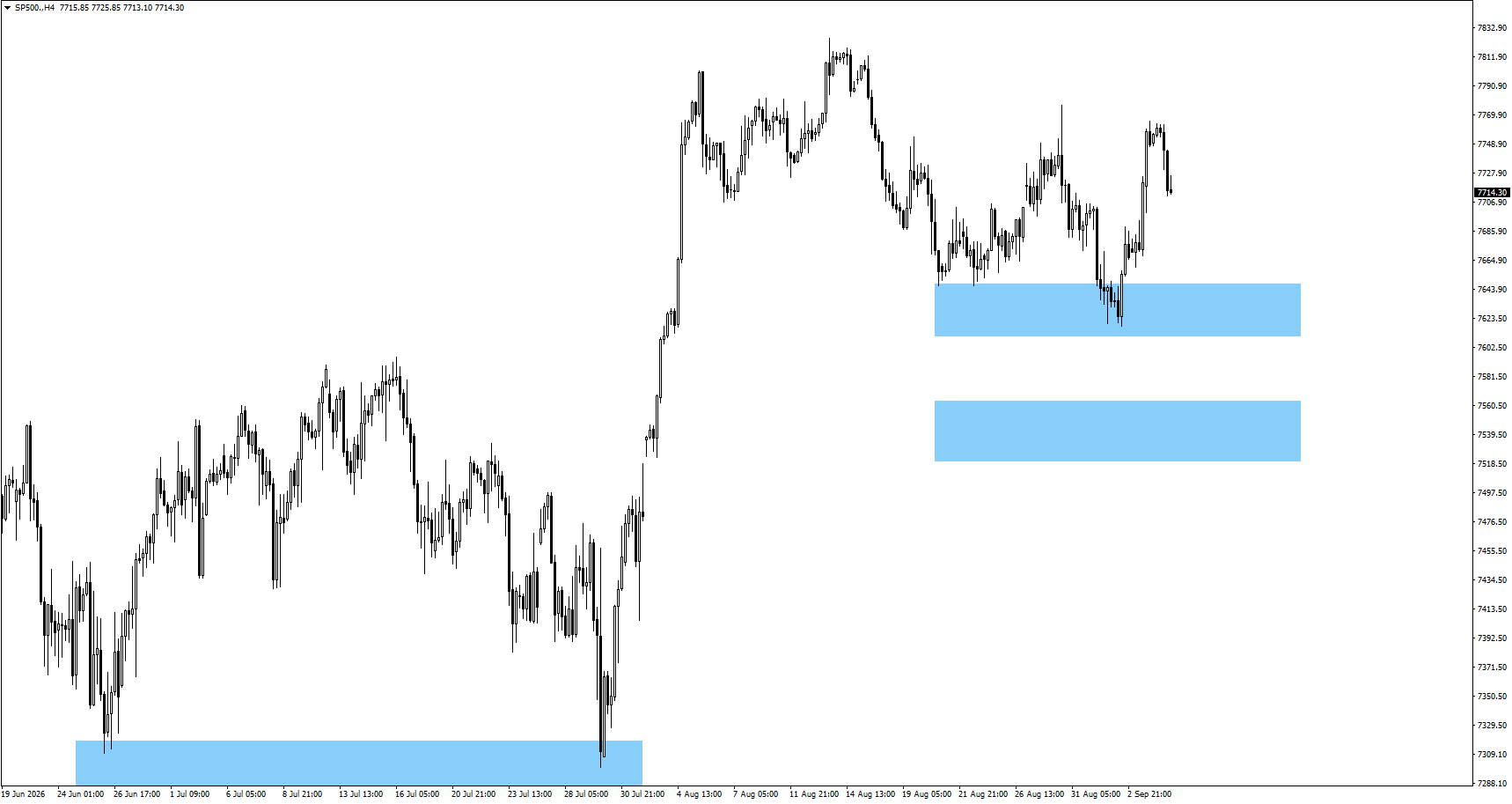
- SP500 remained near elevated levels, with price action showing potential for a pullback or liquidity move around 7777.15.
- A break below 7777.15 could precede a decline, while holding above the level on the 4-Hour chart could open the way towards 7825.
USOil
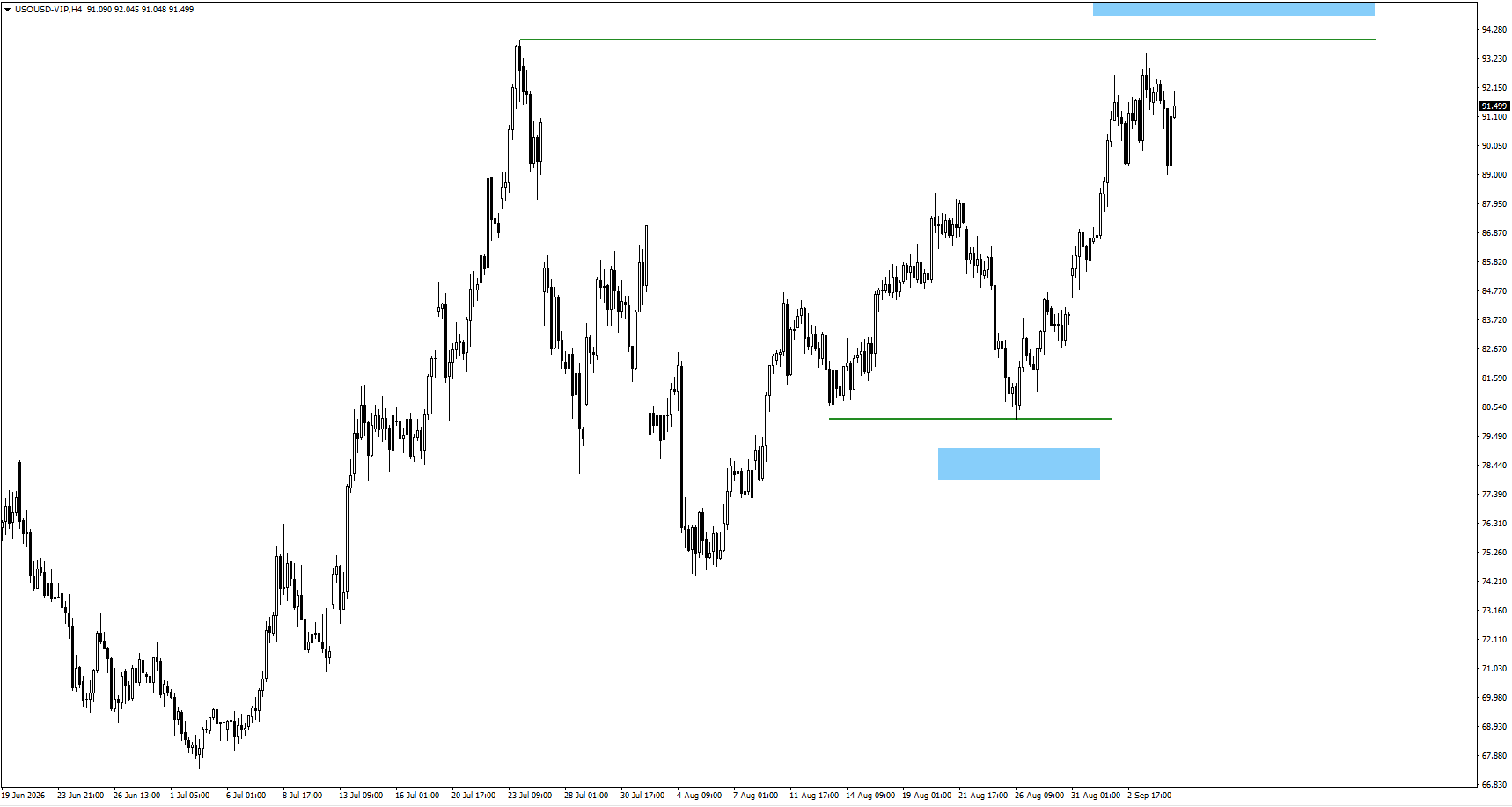
- USOil consolidated near the upper end of its range as geopolitical risk in the Middle East remained elevated.
- A move above 93.894 or a test of 94.95 would keep upside momentum in focus.
Bottom Line
The market enters the week with a stronger US labour market, higher expectations for a September Fed hike and a fresh inflation test ahead. The 10 September PPI and 11 September CPI releases are likely to shape expectations for the 15–16 September Fed meeting, with a hotter inflation outcome supporting the US dollar and Treasury yields while increasing pressure on gold. A softer CPI reading could reduce those expectations and give risk assets and Gold more room to recover. EURUSD and GBPUSD also face event risk from US data, while USOil remains sensitive to Middle East developments and their impact on inflation.
Create a live VT Markets account today to access our platform features, including market insights and educational content.
FAQs
What was the outcome of the August US jobs report?
Employers added 162,000 jobs in August, beating the 55,000 forecast. Unemployment held at 4.1%, while June and July payrolls were revised up by 55,000.
How did financial markets react?
Treasury yields and the US dollar rose while gold dropped. Markets raised the probability of a September Federal Reserve rate hike to roughly 60%.
Does this result guarantee a Fed rate hike?
No, because annual wage growth remained moderate at 3.1%. This gives the Federal Reserve flexibility to evaluate inflation data before acting.
Which inflation reports will decide the rate path?
August Producer Price Index data arrives September 10, followed by Consumer Price Index data on September 11, right before the Fed meeting.
How could upcoming CPI data alter the outcome?
Hotter inflation would strengthen the case for raising rates. Cooler inflation would allow the Fed to keep policy unchanged despite solid hiring.
How does political pressure impact this decision?
Donald Trump called for rate cuts and threatened foreign trade tariffs. Tariffs could raise import costs and inflation, potentially forcing the Fed to keep rates elevated.
Start trading now — click here to create your real VT Markets account.








