






Overview
- US payrolls fell by 23,000 in July, while the unemployment rate declined to 4.1% as labour force participation slipped to 61.4%.
- The weaker jobs data reduced expectations for another September rate hike, shifting attention towards the upcoming US CPI report.
- A softer CPI reading could reinforce expectations for a Fed pause, while a stronger print could revive demand for the US Dollar and pressure Gold.
- Traders should monitor USDX, EURUSD, GBPUSD, Gold and Bitcoin around key technical zones this week.
The Fed’s September Decision Comes Into Sharper Focus
US labour market data took markets by surprise last week. Nonfarm payrolls fell by 23,000 in July, missing expectations for job growth, while previous months were revised lower. The decline was driven largely by a 53,000 drop in government employment, while private-sector payrolls still rose by around 30,000.
The unemployment rate fell to 4.1%, but the headline improvement came alongside a decline in labour force participation to 61.4%. The number of people working or actively seeking work also continued to fall. This creates a softer picture of employment than the unemployment rate alone suggests.
The report has already altered expectations for September. CME FedWatch pricing showed the probability of another rate increase falling from around 55% before the employment report to roughly 42% afterwards. Markets therefore shifted from a slight preference for another hike towards a slight preference for no change. Traders looking to navigate upcoming market volatility can review our guide on 5 steps to trade forex on news releases.
The shift has also fed into broader asset pricing. Reuters reported that US equities are entering the week near record levels, leaving inflation data as an important test for both stock valuations and expectations for Federal Reserve policy.
Inflation Now Takes the Lead
The next test comes from the US CPI on Wednesday, 12 August.
The report provided to VT Markets puts headline CPI at 3.4% year-on-year, compared with 3.5% previously, while core CPI is forecast at 2.5%, down from 2.6%. A result below the previous readings would add to the evidence that inflation is easing. To better understand how inflation impacts overall asset pricing, check out our complete consumer price index guide.
The inflation release carries extra weight because the labour market data did not provide a clear signal for the Fed. Slower hiring reduces the pressure for further tightening, but a 4.1% unemployment rate leaves policymakers with room to keep inflation at the centre of the policy debate.
A softer CPI reading would strengthen the case for keeping rates unchanged in September. A hotter-than-expected print would have the opposite effect, particularly if services inflation remains firm.
PCE Methodology Adds Another Layer
The Federal Reserve’s preferred inflation gauge, PCE, is also set for a methodological change.
From August data released in September, the Bureau of Economic Analysis will change how it calculates inflation in computer software, legal services and investment advice. The report estimates that the revised calculations could reduce reported PCE inflation by around 0.2 percentage point.
The adjustment does not change the CPI calculation. This makes Wednesday’s CPI report an important cross-check for whether softer inflation is becoming visible across separate measures.
If CPI also moderates, markets could gain greater confidence that price pressures are easing. If CPI remains elevated, the softer PCE reading could be viewed more cautiously because part of the improvement would come from the methodology change.
Three Market Scenarios to Watch
US Dollar Faces Further Pressure
The US Dollar Index made a new swing low after the July NFP release before reversing higher. With softer payrolls reducing expectations for another September rate hike, USDX remains vulnerable if upcoming CPI data confirms easing price pressures. Traders should monitor 99.60 and 100.20 on a recovery, while 98.95 and 98.70 remain key levels on further weakness.
Gold Eyes a Break Above 4,380
Gold is trading around 4,360 area as markets reassess the Federal Reserve’s September policy outlook following the weak jobs report. A break above 4,383 could open the way towards 4,455, while a deeper consolidation could bring 4,270 into focus. The upcoming US CPI report could provide the next catalyst for Gold’s direction. If you are looking to trade physical or contract gold, read our complete beginner’s guide to gold trading.
Risk Assets Watch the Fed’s Next Move
The S&P 500 remains in a shallow consolidation phase, with bullish price action around 7,550 in focus. EURUSD is holding around 1.1585, while GBPUSD could test 1.3530 if buying pressure returns. Bitcoin is trading near 64,550, with 65,401 and 65,736 as upside liquidity areas and 64,147 as a key downside level. Softer US inflation could support risk assets by reducing expectations for further Fed tightening, while a hotter CPI print could trigger renewed volatility. For equity positioning, see our detailed S&P 500 trading guide, and for digital assets, check out our beginner’s guide to Bitcoin trading.
Key Symbols to Watch
USDX | EURUSD | GBPUSD | XAUUSD | BTCUSD
Upcoming Events
| Date | Currency | Event | Forecast | Previous | Analyst Remarks |
| 11 Aug | AUD | Cash Rate | 4.35% | 4.35% | A rate hold at 4.35% is expected, with the RBA’s guidance on inflation and future rate moves likely to drive AUD volatility. |
| 12 Aug | USD | Core CPI y/y | 2.50% | 2.60% | A reading below the previous figure could reinforce expectations for a September Fed pause. |
| 12 Aug | USD | CPI y/y | 3.40% | 3.50% | A softer print could weigh on the USD and support Gold. A stronger reading could revive rate-hike expectations. |
| 13 Aug | GBP | GDP m/m | -0.10% | 0.10% | A return to growth could support GBP, while a weaker reading may revive concerns over economic weakness and weigh on the pound. |
| 13 Aug | USD | Core PPI m/m | 0.30% | 0.20% | Payroll growth remains the week’s key volatility driver across FX, gold and equity markets. |
For a full view of upcoming economic events, check out VT Markets’ Economic Calendar.
Key Movements of The Week
USDX
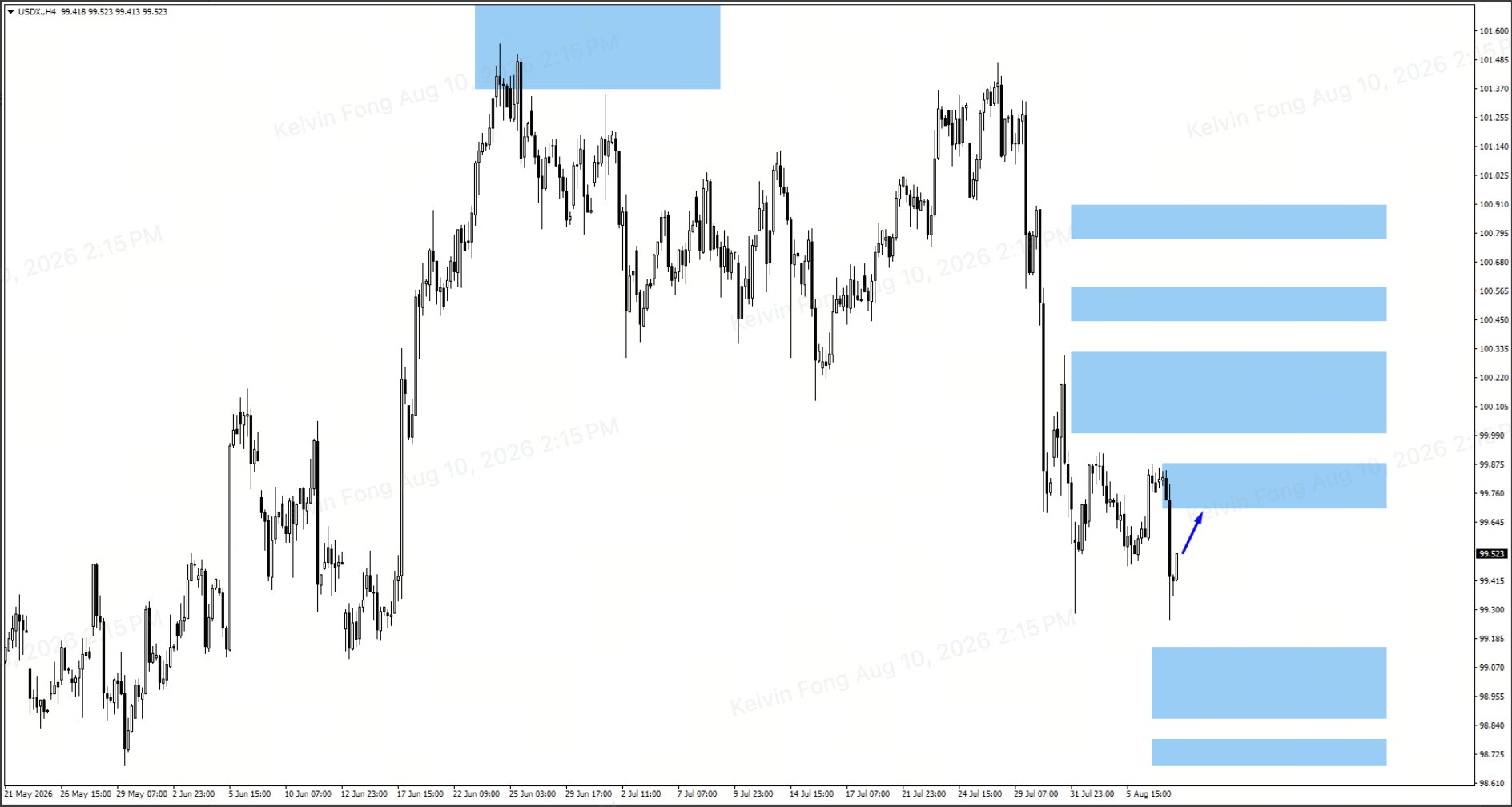
- Monitor the 99.60 and 100.20 levels, which could determine whether USDX enters a broader consolidation or resumes its downtrend.
- If price turns lower, watch 98.95 and 98.70 as key support levels.
EURUSD
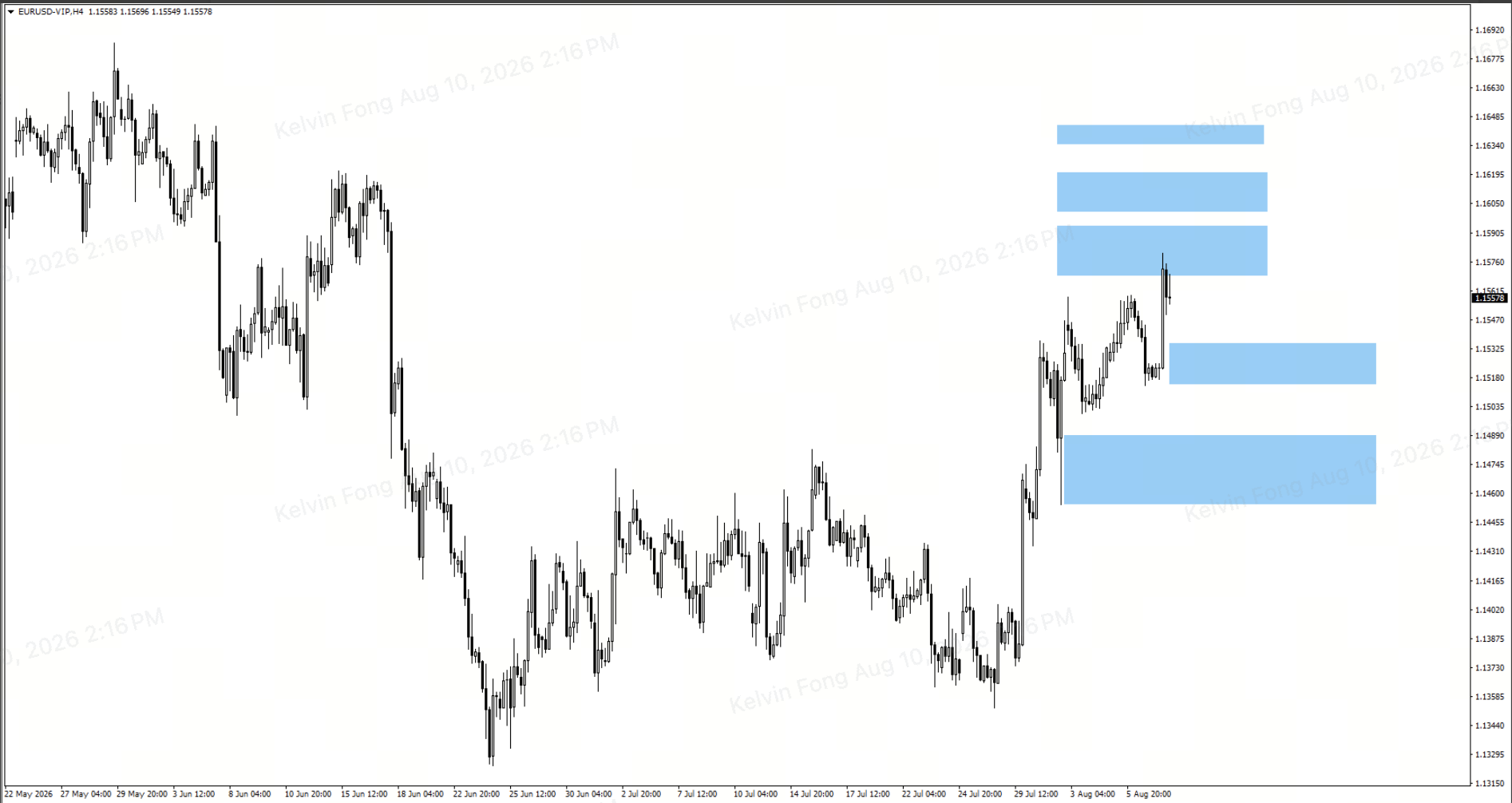
- EURUSD remained around 1.1585 monitored area as the weaker US employment data pressured the Dollar.
- A move below 1.1585 brings 1.1525 into focus. A sustained move higher could expose 1.1600 and 1.1635.
XAUUSD (Gold)
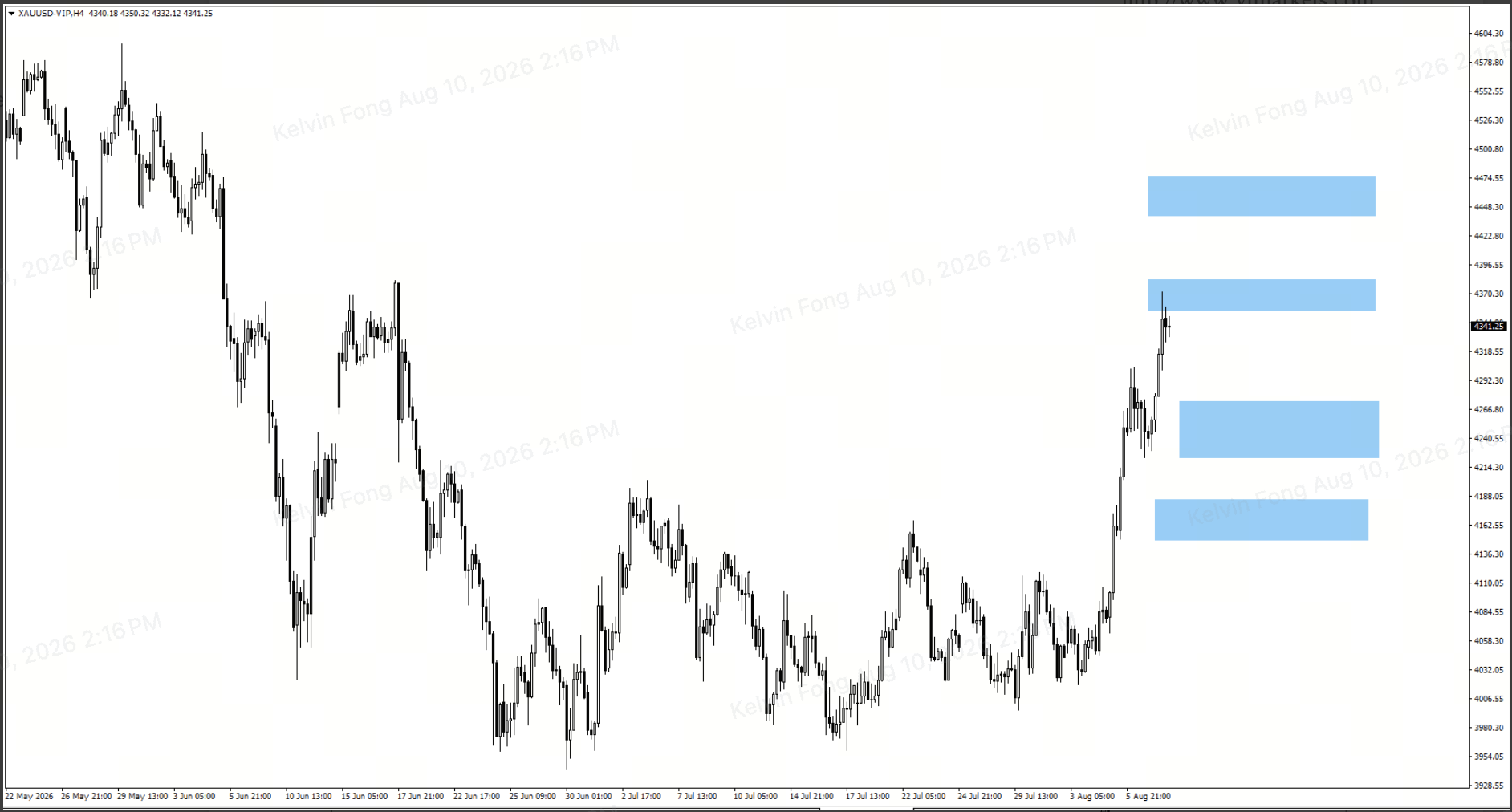
- Gold is trading around 4,360, with price likely to either consolidate or break above 4,383 first.
- If price consolidates, look for bullish price action around 4,270.
- If Gold moves higher, watch 4,455 for potential bearish price action.
SP500
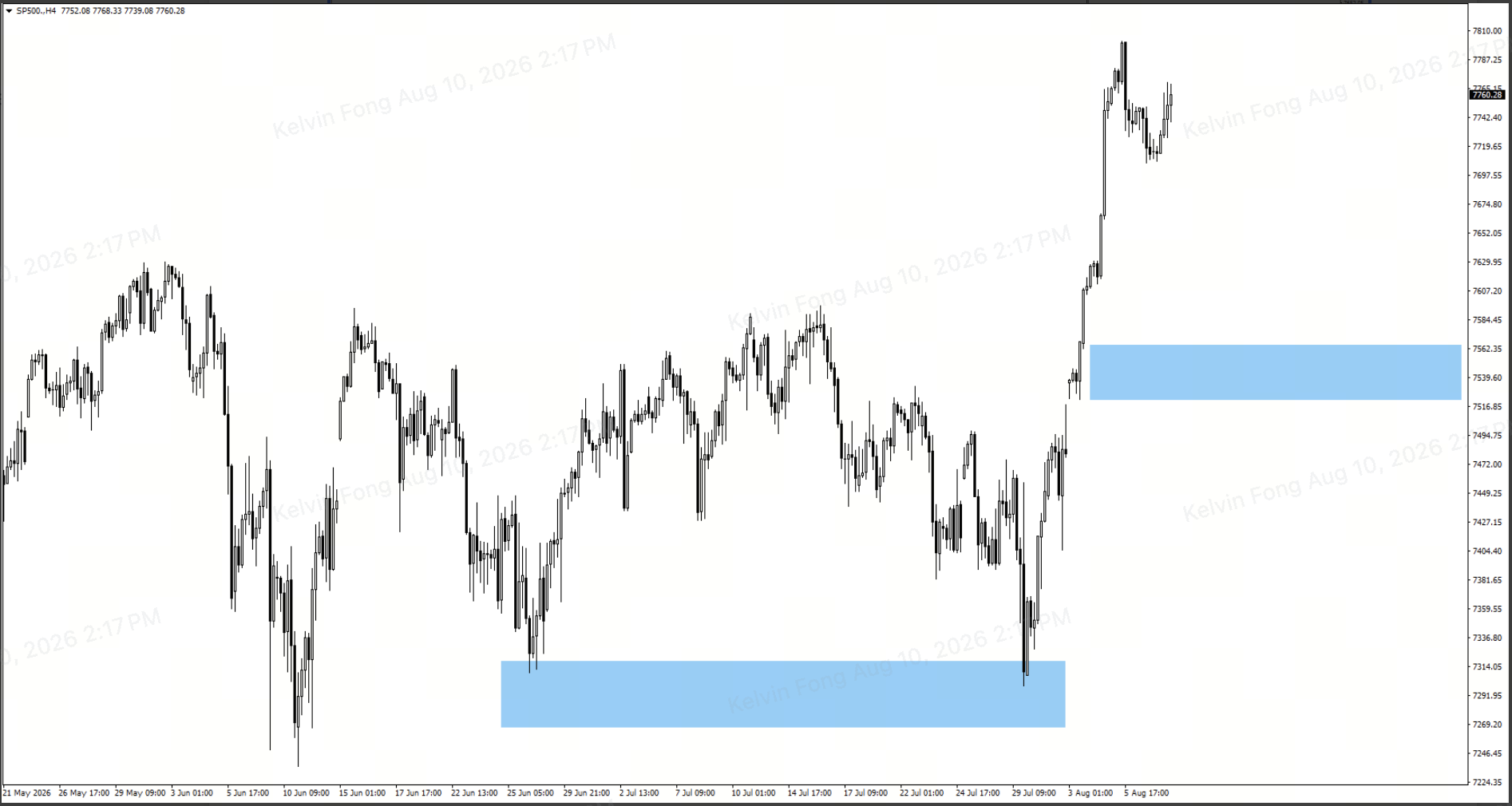
- S&P 500 consolidation remains relatively shallow.
- Allow price to consolidate further and look for bullish price action around 7,550.
BTCUSD
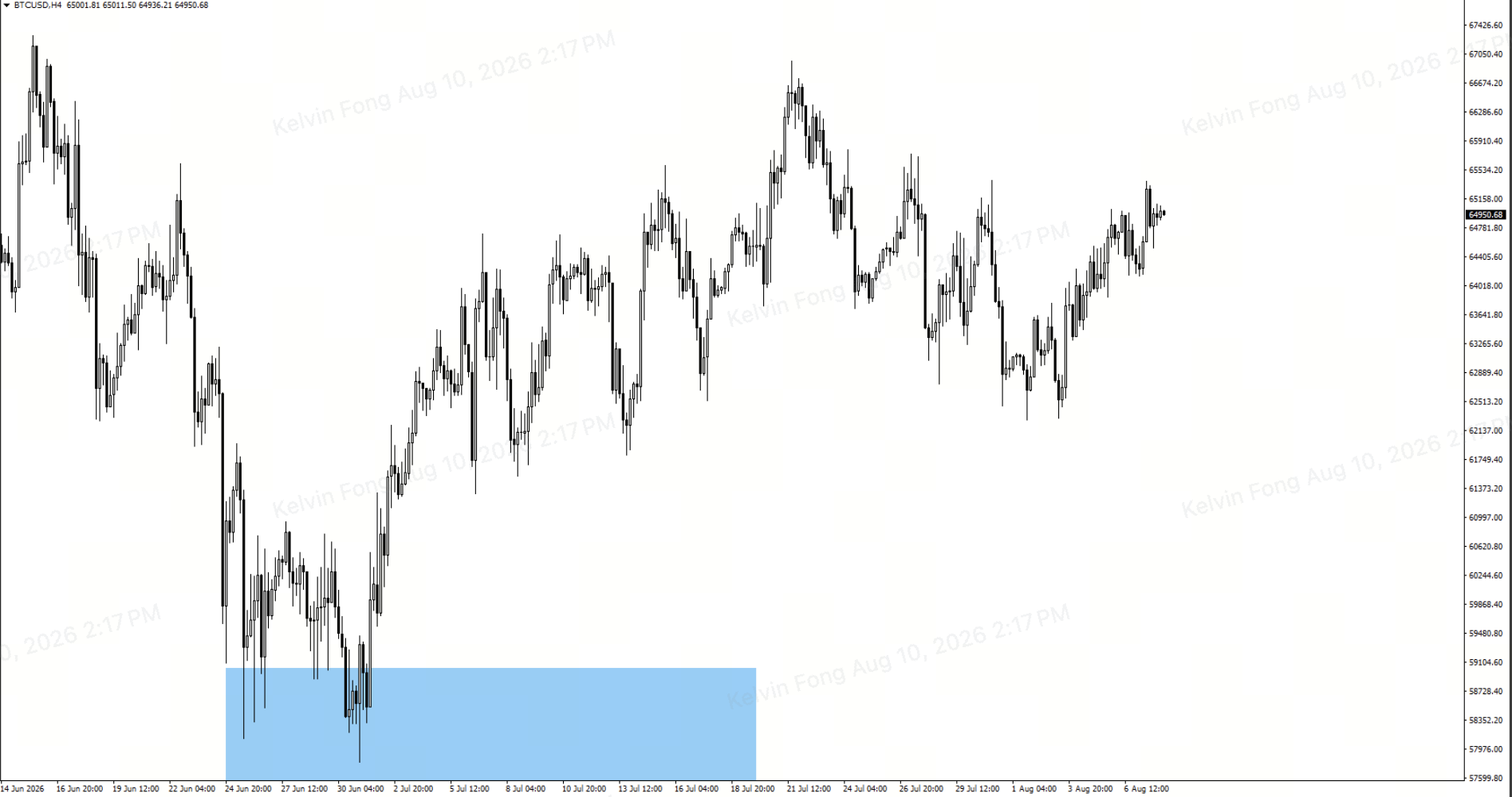
- Bitcoin was trading around the 64,550 monitored area after the broader market reacted to shifting US rate expectations.
- A higher move could test liquidity around 65,401 and 65,736. A close below 64,147 would increase the risk of further downside.
Bottom Line
The market enters the week with the Federal Reserve’s September decision increasingly tied to inflation rather than employment alone. July payrolls fell by 23,000 and previous months were revised lower, while the unemployment rate declined to 4.1% as participation fell to 61.4%. The softer labour data has reduced expectations for another September hike, but inflation remains the key constraint.
The US CPI on 12 August is therefore the main event for the USD, Gold and risk assets. A softer-than-forecast reading could extend USD weakness and support Gold and equities, while a hotter reading could push rate expectations higher and strengthen the USD. Traders should watch the 99.60 and 100.20 areas on USDX, 4,383 and 4,455 on Gold, and 7,550 on the SP500 as the data reshapes market positioning.
Create a live VT Markets account today to access our platform features, including market insights and educational content.
FAQs
FAQs
Why are markets suddenly expecting the Federal Reserve to pause interest rate hikes? Recent US employment data came in weaker than expected, with nonfarm payrolls dropping by 23,000 in July. This slowdown in hiring led investors to lower the probability of another rate hike in September from 55% down to 42%, shifting the market consensus toward holding rates steady.
What is the main economic event to watch next? The US Consumer Price Index (CPI) inflation report on August 12 is the key release. Because job market signals were mixed, inflation data will give policymakers and investors a clearer picture of whether price pressures are cooling enough to justify a rate pause.
How could inflation data impact gold, the US Dollar, and risk assets? A lower-than-expected inflation reading would likely weaken the US Dollar and support gold, stock indexes, and crypto by cementing expectations that the Fed is done raising rates. On the other hand, a hotter inflation report could reignite demand for the US Dollar and put downward pressure on gold and risk assets.
How does the upcoming change to PCE inflation calculations fit in? The Federal Reserve’s preferred inflation metric, PCE, is updating its calculation method starting with August data, which could lower reported PCE inflation by around 0.2 percentage points. Because CPI calculations remain unchanged, traders are watching CPI to confirm whether inflation is genuinely slowing across all independent measures.
Start trading now — click here to create your real VT Markets account.








