





Market Recap of June
June was an eventful month for global financial markets, as investors reacted to easing geopolitical tensions, a more hawkish Fed outlook, and stronger US economic data. Equity markets stayed broadly resilient, supported by improved sentiment, while commodities and foreign exchange saw sharper moves as traders adjusted expectations for oil, inflation, interest rates, and the US dollar.
Key themes included:
- Easing US-Iran tensions reduced immediate oil supply concerns.
Although the Iran-US Memorandum of Understanding remains fragile, immediate concerns over the major oil supply disruption eased. Oil volatility has not disappeared. Markets are not treating the situation as fully resolved. Renewed escalation involving Iran, the US, Israel, or Hezbollah could quickly invite fluctuations. - Fed policy and US dollar strength shaped market expectations.
New Fed Chair Warsh signalled a shift away from forward guidance. With stronger GDP data and persistent inflation pressures, markets are now pricing in the possibility of rate hikes later this year rather than cuts. Higher rate expectations made dollar assets more attractive, weighing on gold as a non-yielding asset. Geopolitical uncertainty offered some support, but Fed policy remained the dominant driver. - Technology and growth themes remained resilient.
Excitement around the SpaceX IPO supported interest in AI, defence technology, satellites, infrastructure, and innovation-led industries. Still, higher rates made investors more selective. In response to growing market interest, VT Markets added 39 new CFD shares to the platform, covering pre-IPO markets and new-age industries.
Overall, June highlighted a market still being pulled in different directions. Lower oil prices and easing geopolitical tensions helped support risk sentiment. Still, sticky inflation, a resilient US economy, and a hawkish Fed kept pressure on bonds, gold, and other rate-sensitive assets.
Hawkish Fed Outlook Fuels USD Strength
Forex markets were led by US dollar strength in June as traders adjusted to a more hawkish Fed outlook. Stronger US GDP growth and persistent inflation pushed the market to price in the possibility of another rate hike before the end of the year.
New Fed Chair Kevin Warsh also influenced currency sentiment by signalling a shift away from forward guidance towards a more data-led approach. With fewer clear policy signals, each inflation, employment and growth release may carry more weight for FX volatility.
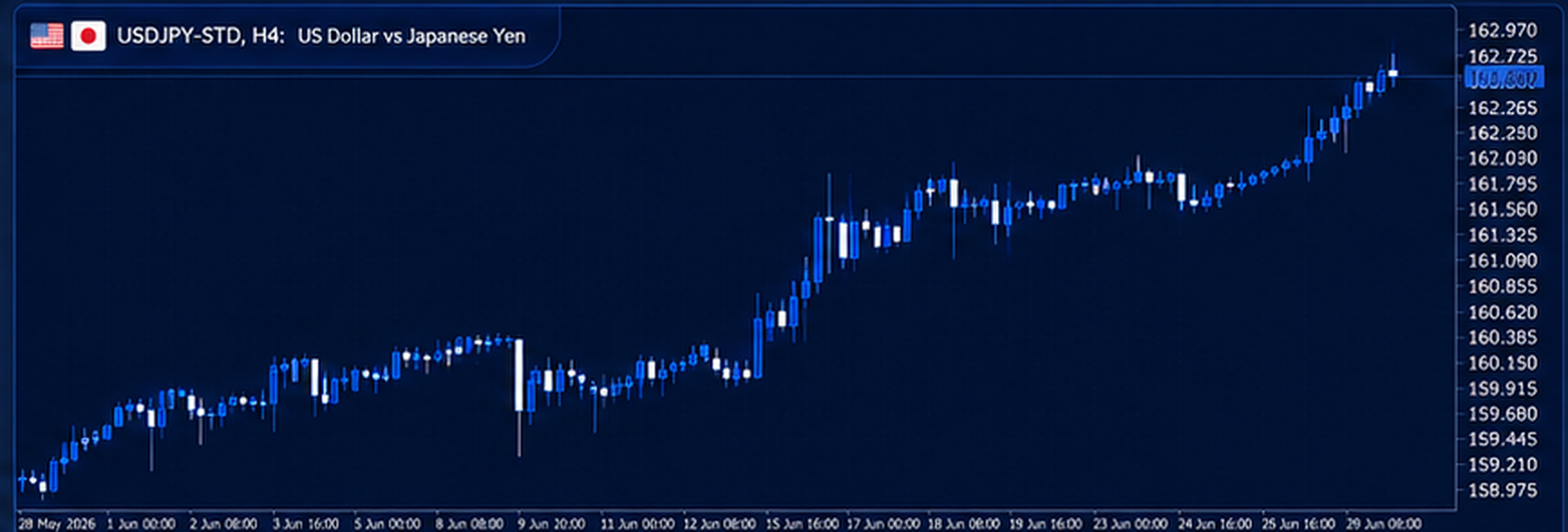
The US-Japan rate gap continued to support USDJPY. Higher US yields and the BoJ’s accommodative stance kept carry trades attractive, helping the pair extend its uptrend. USDJPY may stay sensitive to any BoJ policy shift or signs that US inflation is cooling.
Stronger Dollar Weighs on Gold
Gold weakened in June as a stronger US dollar and higher US rate expectations reduced demand for non-yielding assets. Better US GDP data and persistent inflation strengthened the case for tighter Fed policy, prompting profit-taking after gold’s earlier rally.
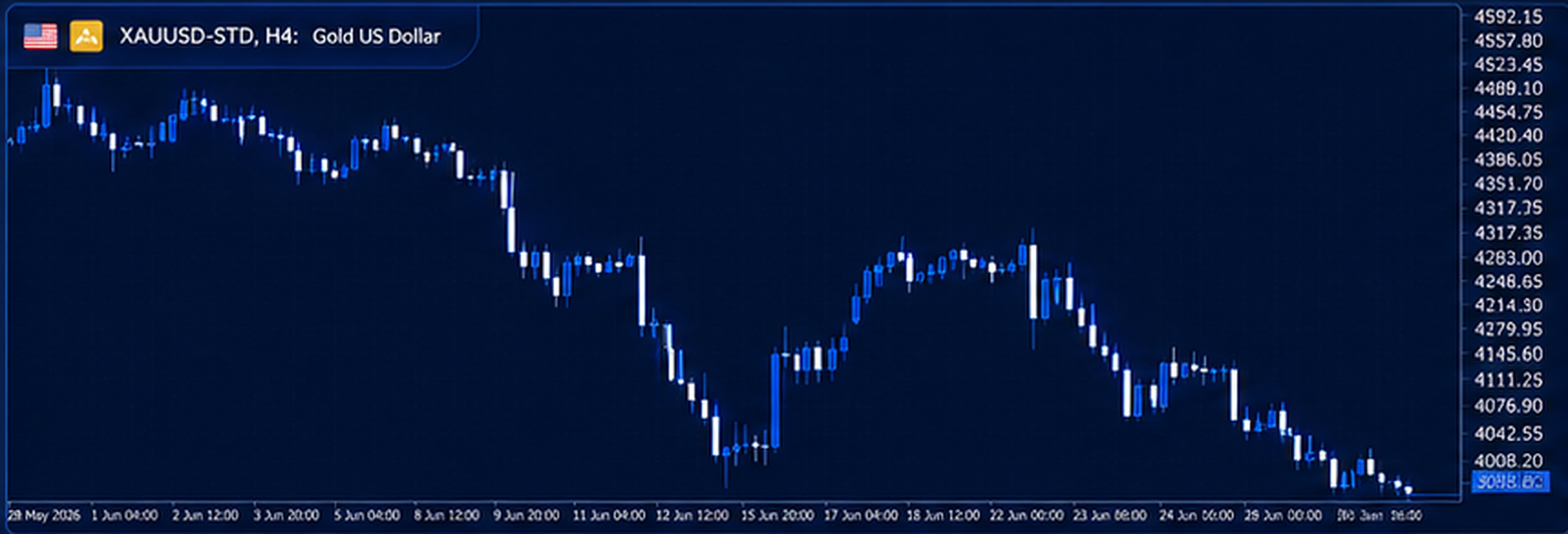
Gold briefly moved below USD 4,000 per ounce, signalling a shift from safe-haven demand towards confidence in the US economy and tighter monetary policy. Geopolitical tensions still offered some support, but easing US-Iran tensions and rising yield pressure kept gold under pressure.
Gold’s next move will likely depend on inflation data and whether the Fed follows through with another rate hike later this year.
Attend our upcoming webinar, ‘The Only Gold Trading Strategy That Actually Works’, on 13 July, to understand the practical approach to trading gold.
Oil Drops as Supply Fears Ease
Oil was one of June’s biggest movers, with prices falling sharply after US-Iran tensions eased. The agreement reduced fears of an immediate disruption to global crude supply, pulling Brent and WTI back towards pre-war levels.
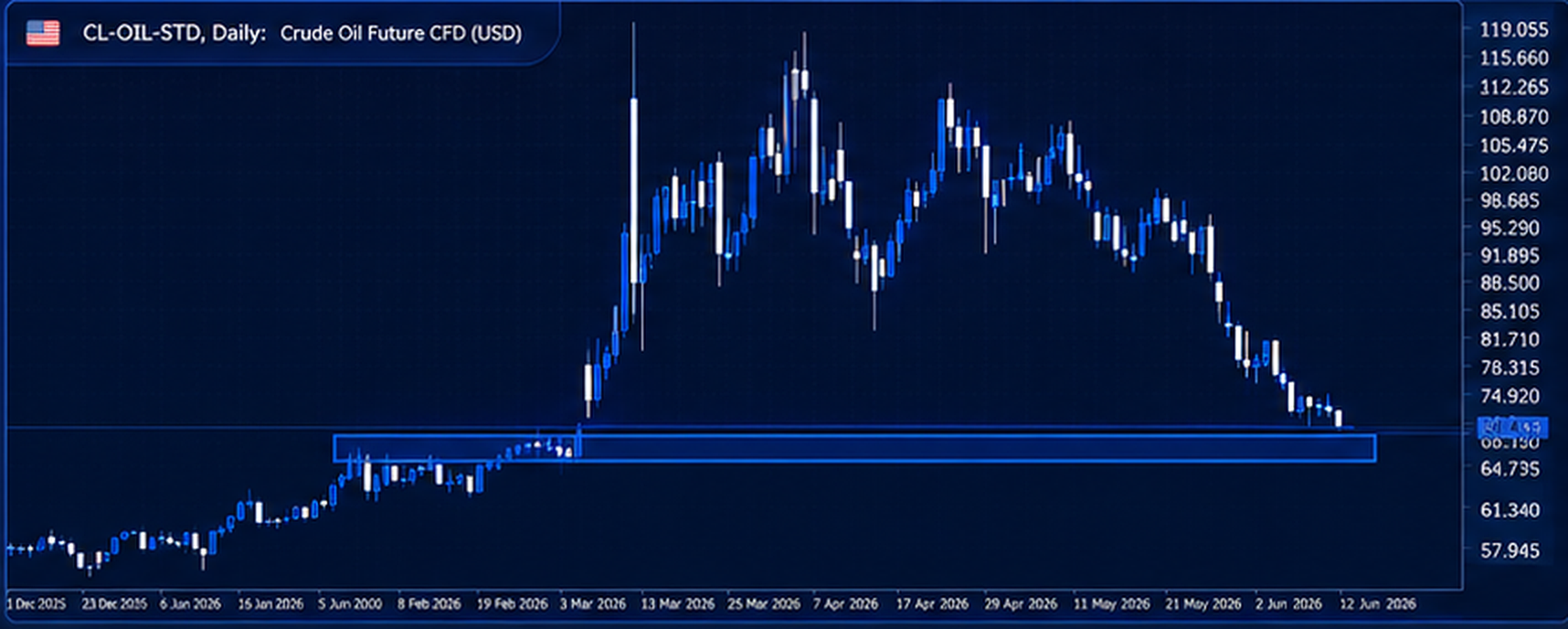
The risk premium has not disappeared completely. The agreement remains fragile, and renewed tensions involving Israel, Iran or Hezbollah could quickly lift prices again. For now, better supply expectations and lower disruption risk have helped oil stabilise.
Markets will continue to watch developments in the Middle East closely in the second half of the year.
Understand how geopolitical tension unfolds in ‘Geopolitical Leverage: Economy as a weapon‘
Tech Optimism Offsets Policy Uncertainty
Global indices were choppy and mostly range-bound in June as investors weighed stronger economic data against tighter Fed expectations. US markets struggled to build momentum as resilient GDP growth and persistent inflation increased rate-hike concerns.
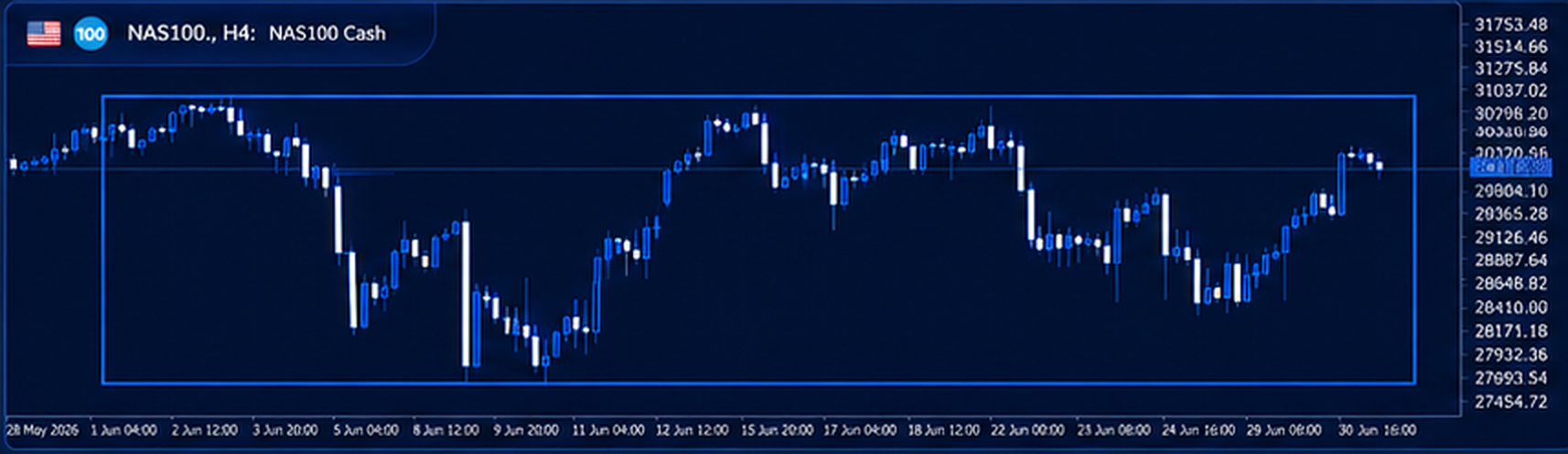
Still, earnings remained resilient, while optimism around technology, AI and innovation supported risk appetite. SpaceX’s IPO was the standout market story, drawing investor attention and lifting sentiment across high-growth technology names, even as broader markets stayed cautious.
Learn ‘How to Trade the AI Boom Before They Go Public‘ at VT Markets.
Bitcoin Struggles as Macro Pressure Builds
Crypto markets had another difficult month. Bitcoin sold off early in June as traders reduced exposure to higher-risk assets amid a stronger US dollar, higher bond yields and rising expectations of another Fed rate hike.
June updates for Clarity Act showed that the bill still faced hurdles, including debates around stablecoin rewards, DeFi oversight, law enforcement concerns and the timeline for a Senate vote.
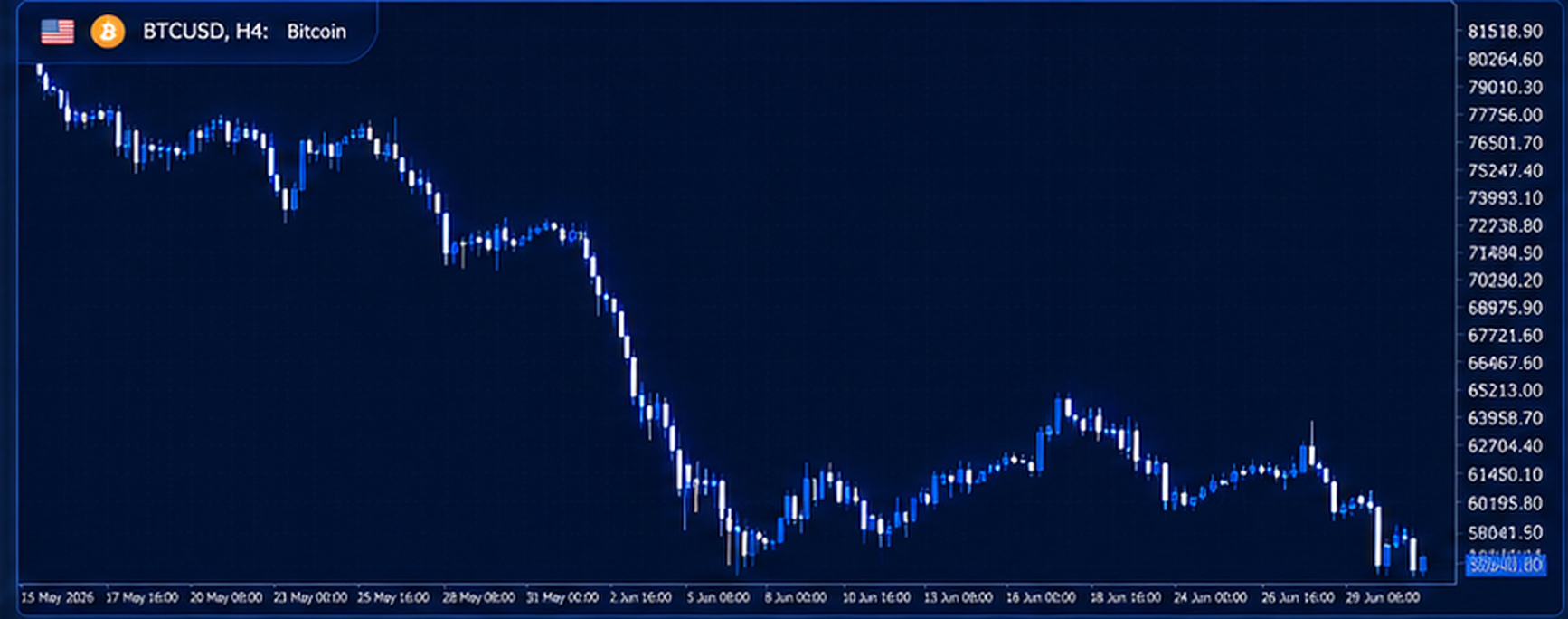
Bitcoin recovered part of its earlier decline but remained below USD 60,000 and well off the highs seen earlier in the year. Altcoins generally underperformed as appetite for speculative assets weakened.
Looking ahead, crypto sentiment will likely depend on both macro conditions and regulatory progress. Softer inflation or a more dovish Fed could improve risk appetite, while clearer progress on the CLARITY Act may provide longer-term support for institutional confidence.
For now, higher rate expectations and legislative uncertainty continue to weigh on the sector.
Early Signals for July
As markets enter the summer months, liquidity may slow, but July could still bring active price movement. Economic data, earnings season and geopolitical developments are likely to remain the main drivers.
- Macro data and Fed expectations
Inflation, employment and GDP releases will remain important as the Fed shifts towards a more data-led approach. Stronger data or sticky inflation could support the US dollar and Treasury yields, while softer data may ease rate-hike expectations and reduce pressure on gold, crypto and risk assets. - Earnings season and risk appetite
Investors will watch whether companies can maintain resilient profits despite higher rates and inflation pressure. Technology and AI-related names will remain in focus, especially after their strong recent performance. - Geopolitical risk and oil prices
The US-Iran agreement helped reduce oil supply fears, but the situation remains fragile. Any renewed tension involving Iran, Israel or Hezbollah could bring back the oil risk premium and increase broader market volatility.
Overall, sentiment remains cautiously constructive, but markets are likely to stay sensitive to economic data, earnings guidance and geopolitical headlines. For full view of upcoming economic events, check out VT Market’s Economic Calendar.








