






Gold has long been a symbol of wealth, but in today’s financial world, it’s much more than just a shiny metal. Should you click “buy” right away when the market is panic? Guessing isn’t a strategy. This beginner’s guide cuts through common myths and shows how traders actually approach gold in real markets.
If you’re still thinking of gold as just a “safe haven,” think again. Gold is one of the most dynamic and resilient assets for traders navigating uncertain global markets, primed for CFD trading.
Keep reading to uncover the real potential of gold trading.
Myths vs Reality
Gold trading is often clouded by myths and misconceptions. While many traders flock to gold for its stability, a few assumptions can cloud their understanding and hinder their success. Let’s break down some common myths and compare them to the reality of trading gold.
Myth 1: You Need To Own Gold
Reality: Contrary to the traditional belief that gold is a limited resource, trading gold allows you to invest in this stable asset without requiring physical ownership. Modern trading platforms, such as CFD platforms like VT Markets, give traders the opportunity to leverage price movements of gold through Contracts for Difference (CFDs). This means that even without significant capital, you can participate in the gold market, speculating on its worth and sharing in its potential profits. As gold rallies in the market, its timelessness has expanded beyond physical ownership into trading and speculation.
Myth 2: Gold is Only A Stable Asset
Reality: While gold is often considered a stable asset, it is not immune to volatility. Beyond owning gold as a spot or market share, its volatility has opened up multiple ways to trade it. From options and futures to CFDs, gold has become an asset with a range of trading opportunities. These avenues allow traders to take advantage of price movements in gold, making it a dynamic asset that can bring both risks and rewards depending on market conditions.
Myth 3: Only Specialised or Safe Traders Stick to Gold
Reality: The notion that only experts or conservative traders engage with gold is increasingly outdated. As demonstrated above, gold is becoming more accessible to all types of traders. With its growing role in the financial markets, gold is no longer just a “safe haven” asset but is gaining significance across various trading strategies. As experts now acknowledge, gold is more than just a protective investment — it’s an asset offering diverse opportunities, especially with the flexibility of modern trading tools. Learn more here.
If you think gold is overhyped, think again! The gold market is evolving, offering more opportunities than ever for traders of all kinds. VT Markets offers educational resources, demo accounts, and risk management tools, to make the entry point for new traders even more accessible. With the right tools and guidance, even beginners can successfully trade gold.
What Moves Gold Prices?
Gold prices are influenced by a combination of macroeconomic and market-specific factors. Understanding these drivers is essential for conducting effective analysis.
Inflation and Economic Uncertainty
Gold is widely regarded as a hedge against inflation. When purchasing power declines or economic conditions weaken, demand for gold often increases as investors seek to preserve value.
Interest Rates and Monetary Policy
Gold generally has an inverse relationship with interest rates. When real yields are low or declining, the opportunity cost of holding a non-yielding asset like gold falls, making it more attractive.
US Dollar Strength
As gold is priced in US dollars, movements in currency play a significant role. A weaker US dollar typically supports higher gold prices, while a stronger dollar can place downward pressure on prices.
Geopolitical and Systemic Risks
Events such as wars, trade disputes, political instability, and stress within the global financial system often drive safe-haven demand, which can push gold prices higher.
Benefits of Gold Trading for Beginners
Gold trading offers several advantages that make it particularly suitable for beginners:
Lower Risk Compared to Stocks
While gold prices can be volatile, they are generally more predictable than stock prices, making gold a safer entry point for new traders.
Accessible Market
Gold trading is open to anyone with internet access and a reliable broker, thanks to online platforms like MT4 and MT5.
24-Hour Market Access
Gold markets operate nearly 24/5, allowing you to trade at your convenience, regardless of your time zone.
When Is the Best Time to Trade Gold?
Gold does not move equally throughout the day. Volatility and liquidity concentrate during specific sessions.
The most active period for gold trading is the London–New York session overlaps, typically between 12:00 PM and 4:00 PM GMT. During this window, institutional participation increases, spreads tight, and breakout moves are more common.
Gold is also highly reactive to major economic releases such as:
- US CPI and inflation data
- Non-Farm Payrolls (NFP)
- Federal Reserve interest rate decisions
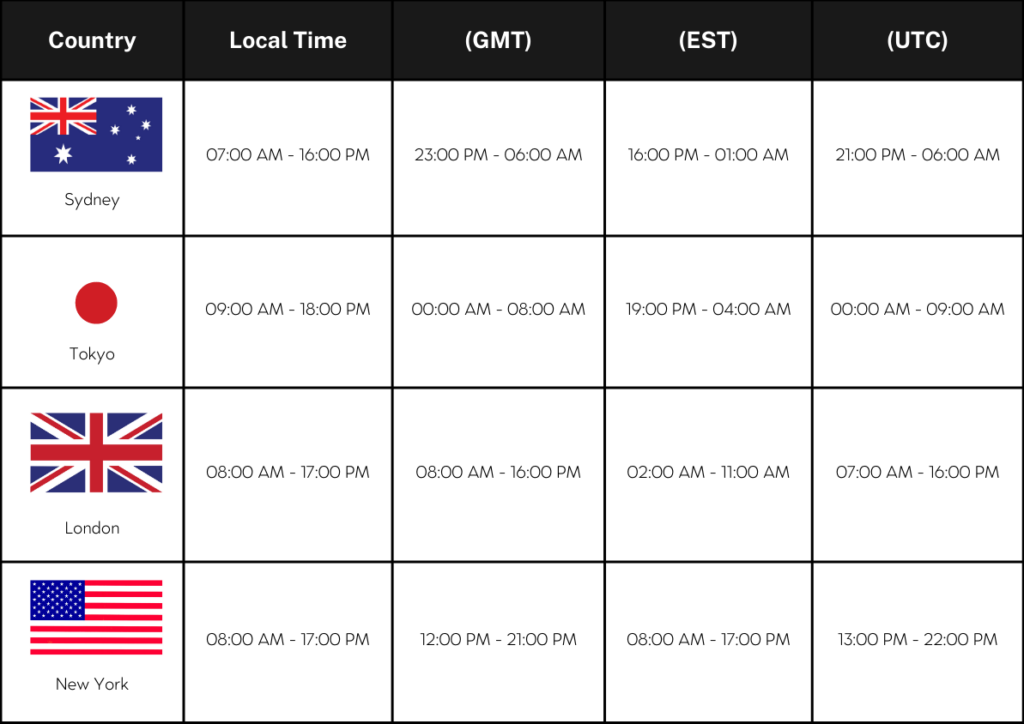
Explore XAUUSD on our platform that is open for trading 24/7. Interested in tracking price movements for Goldr? Download the VT Markets app to monitor real-time CFD price action.
A step-by-step Technical Approach for Beginners
Rather than relying on multiple indicators, beginners benefit from a clear and repeatable process.
Gold trading can be straightforward with the right approach. For beginners, success comes from following a clear, step-by-step process that cuts through complexity. This framework is designed to guide you through the essentials of trading gold with ease and clarity.
Step 1: Define Market Bias
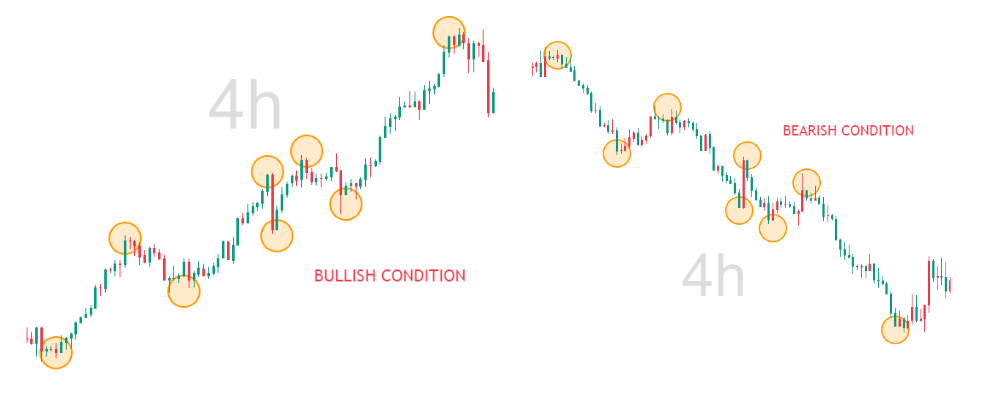
To start, it’s important to understand the overall trend. Use the H4 timeframe to identify the dominant trend. Higher highs and higher lows suggest bullish conditions, while lower highs and lower lows indicate bearish pressure.
Step 2: Refine Entries
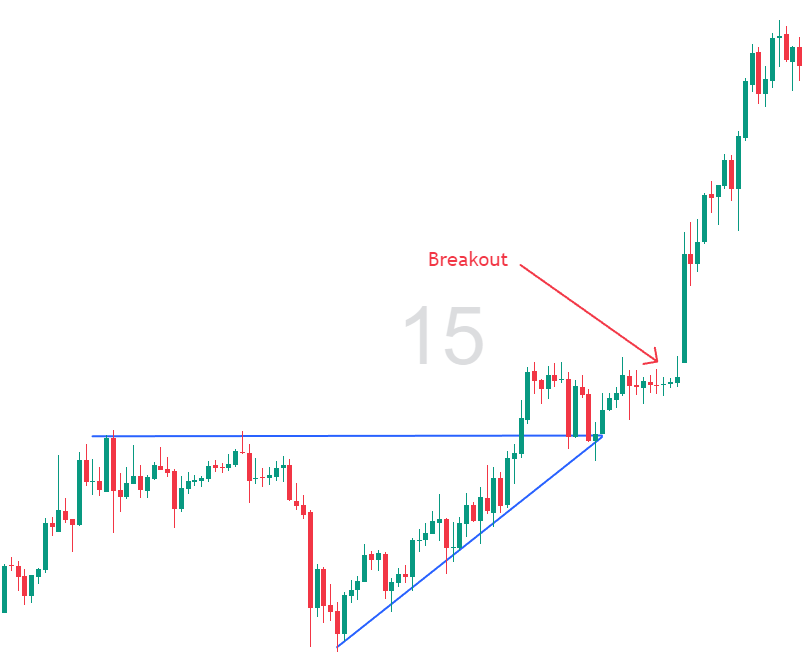
Once you’ve defined the overall trend, move to the M15 timeframe to refine your entries. Look for pullbacks, consolidation patterns, or breakouts that align with your higher-timeframe bias. This ensures you’re entering trades at more precise levels.
Step 3: Trade the Right Session
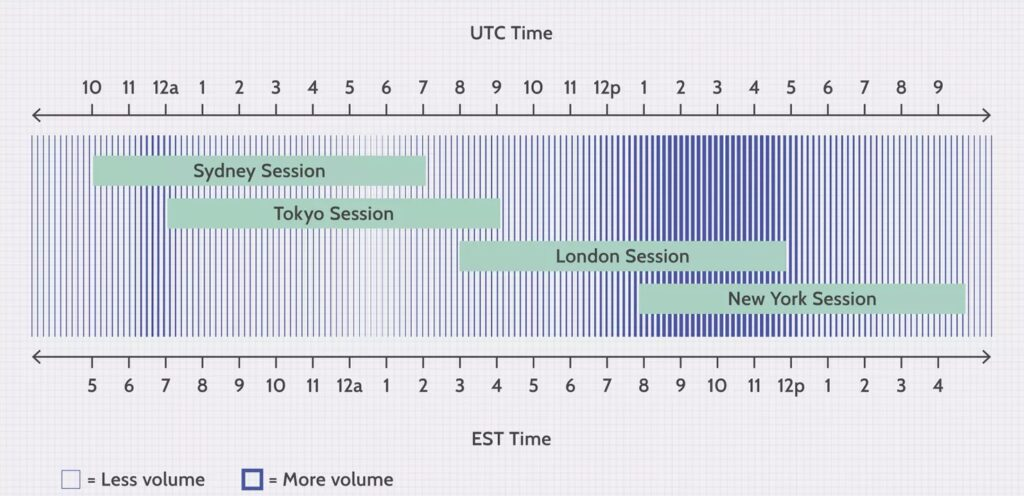
Timing is key in gold trading. The most active period is the London-New York session overlap, typically between 12:00 PM and 4:00 PM GMT. During this time, institutional participation rises, spreads tighten, and market moves become more predictable, making it the perfect window for executing trades.
Step 4: Manage Risk
Gold is a volatile asset. With wider price movements, it’s essential to manage your risk effectively. Set stop-losses between 150-300 points, depending on market conditions, and never risk more than 0.5%-1% of your total capital per trade. Adjust your position size accordingly to keep your risk manageable.
Popular Gold Trading Strategies
To trade gold effectively, you need a solid strategy. Here are some popular approaches:
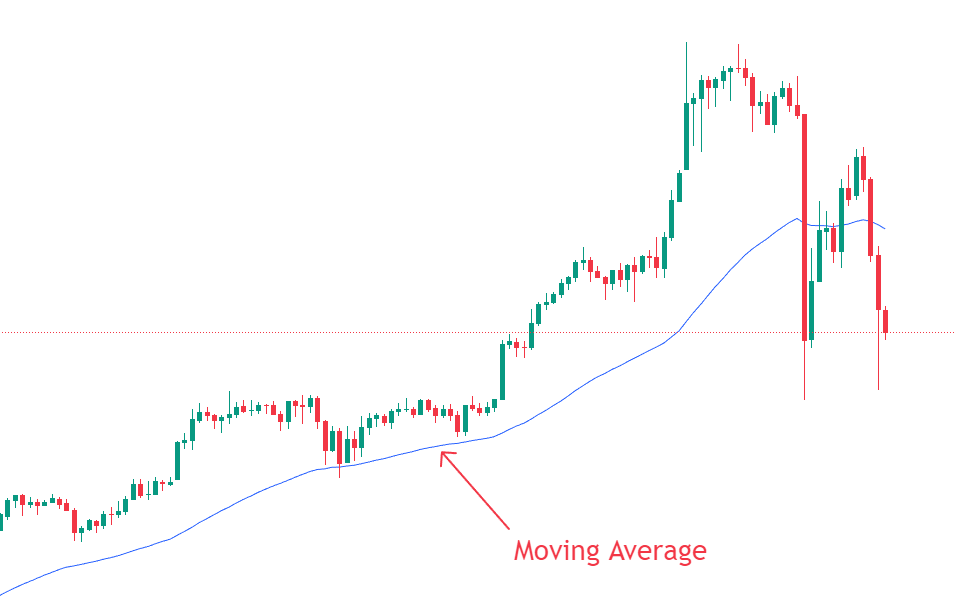
- Trend Trading Identify long-term price trends using indicators like moving averages. For example, if gold is consistently rising, it might be a good time to buy.
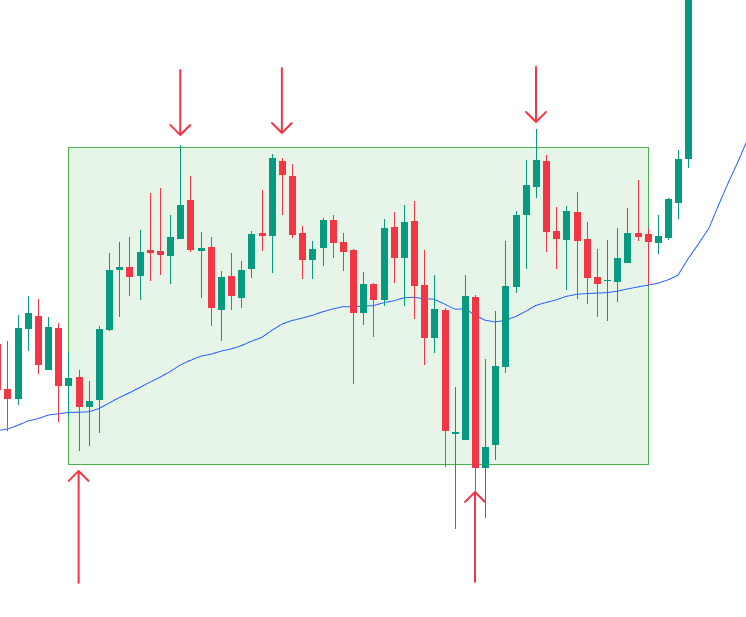
- Range Trading Gold often trades within predictable ranges during stable markets. Buy at support levels and sell at resistance levels for consistent profits.
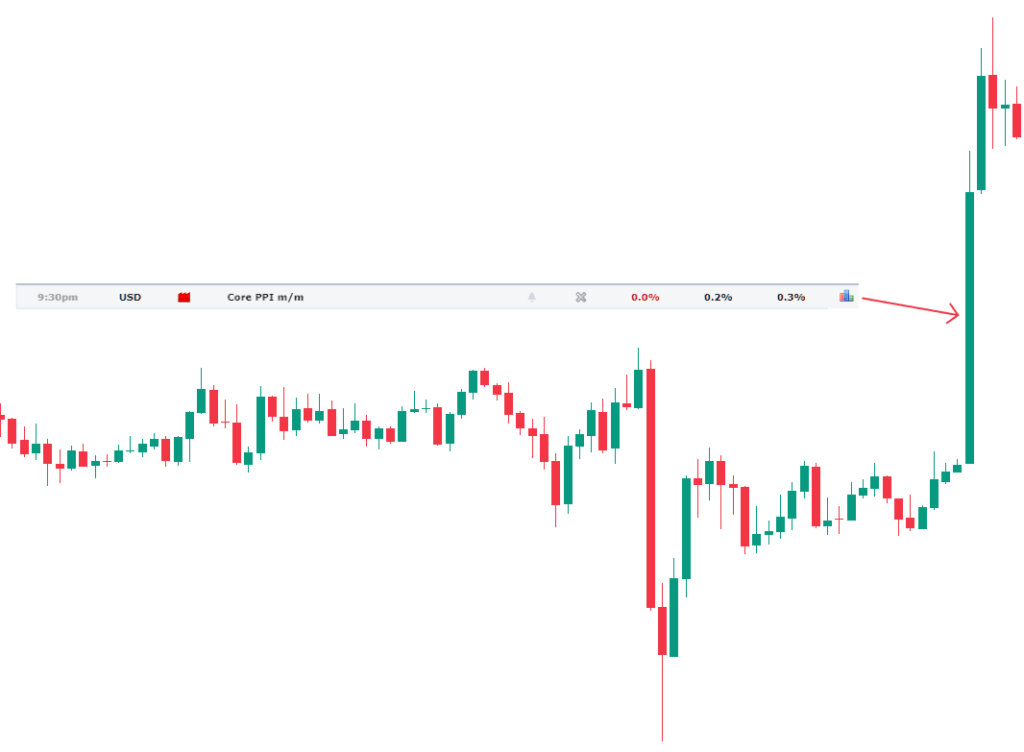
- News-Driven Trading: Economic reports, central bank policies, and geopolitical events can create significant price movements. Be prepared to act quickly when major news breaks.
- Hedging Use gold to offset risks in other areas of your portfolio. For instance, if your equity investments are exposed to high volatility, holding gold can provide balance.
Chart Patterns Every Gold Trader Should Know
Chart patterns can provide invaluable insights. As a beginner, start by recognising these key patterns:
Head and Shoulders
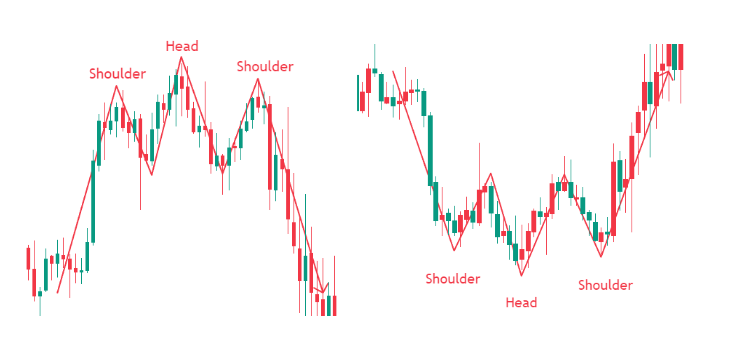
This pattern indicates a potential trend reversal. It consists of three peaks: a higher middle peak (head) and two lower peaks on either side (shoulders). When the price breaks below the “neckline,” it often signals a bearish move.
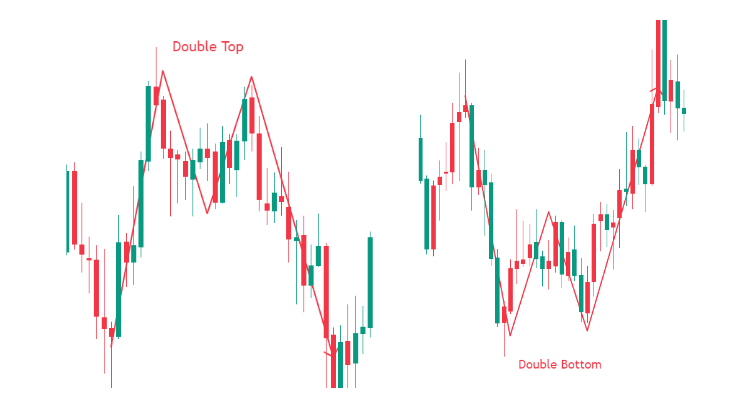
Double Top and Double Bottom
These patterns signal reversals. A double top occurs when the price reaches a high point twice, failing to break through resistance, indicating a bearish reversal. Conversely, a double bottom forms when the price hits a low twice, suggesting a bullish reversal.
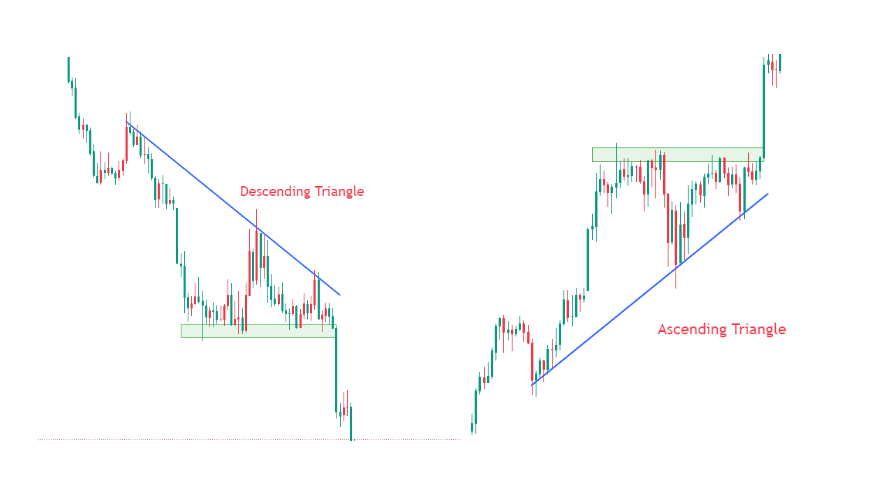
Ascending and Descending Triangles
Ascending triangles show higher lows converging with a horizontal resistance level, signalling a potential bullish breakout. Descending triangles indicate lower highs meeting a horizontal support level, hinting at a bearish breakout.
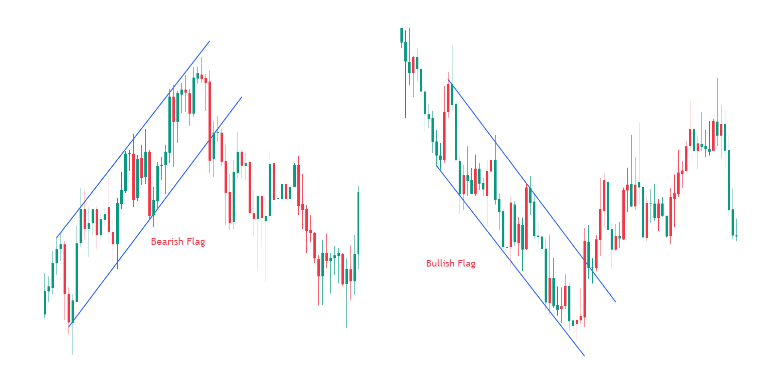
Flags and Pennants
These continuation patterns indicate brief consolidation before the trend resumes. Flags form parallel lines, while pennants are small symmetrical triangles, both suggesting the existing trend will continue.
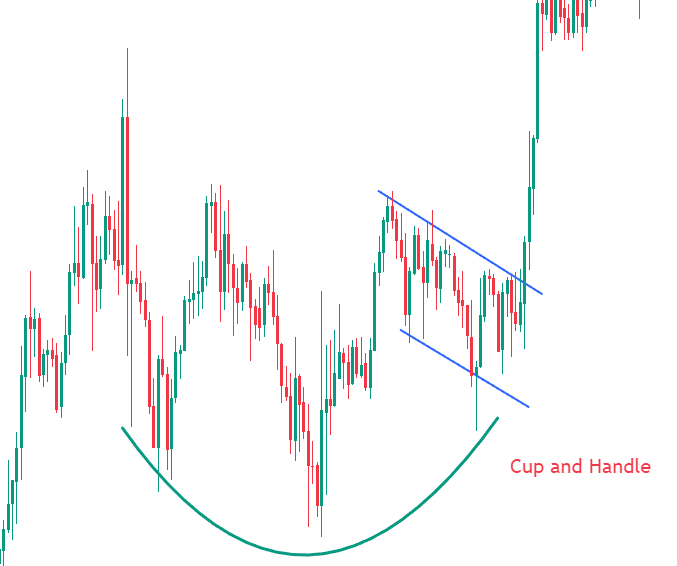
Cup and Handle
This bullish pattern resembles a teacup. The price forms a rounded bottom (cup) and then consolidates (handle) before breaking out upwards, often signalling a continuation of an uptrend.
By recognising and practising with these beginner-friendly chart patterns, you can build a solid foundation for technical analysis. Remember, successful trading involves combining these patterns with other indicators and strategies to validate your decisions.
Overcoming Common Challenges in Gold Trading
Like any financial market, gold trading comes with its challenges. Here’s how to tackle them:
Volatility
Sudden price swings can be intimidating. Use stop-loss orders and limit orders to manage your risks effectively.
Information Overload
With so much data available, it’s easy to feel overwhelmed. Focus on key indicators like interest rates and economic reports to simplify your analysis.
Overtrading
Beginners often feel tempted to trade too frequently. Stick to your strategy and avoid impulsive decisions.
For a more systematic way to learn gold trading, take the full course where you can learn all the tips and tricks.
Conclusion: Your First Step Into Gold Trading
Gold trading offers a lucrative opportunity to diversify your portfolio, hedge against inflation, and navigate turbulent markets. By understanding the basics, following sound strategies, and practising risk management, you can step confidently into the world of gold trading.
Ready to start your gold trading journey?
Open an account with VT Markets today and explore the rewarding opportunities in gold trading!








