





Overview
- Markets begin the week focused on renewed geopolitical tensions in the Middle East and their potential impact on inflation, energy prices and broader risk sentiment.
- US CPI and Core CPI will provide fresh insight into the Federal Reserve’s inflation outlook, while comments from policymakers may influence expectations for future interest rates.
- Oil remains the market’s first indicator of geopolitical risk, with traders watching whether supply concerns spread into gold, currencies and equity markets.
- Focus remains on price action across gold, crude oil, the US dollar and major equity indices as markets determine whether recent developments represent a temporary shock or the beginning of a broader risk repricing.
Markets Assess Iran Tensions While Inflation Takes Centre Stage
Financial markets enter the week facing two competing themes. Geopolitical tensions in the Middle East have resurfaced following renewed conflict involving Iran, while investors also prepare for another important round of US inflation data. Together, these developments have the potential to shape expectations for monetary policy, commodity prices and overall market sentiment.
The latest escalation involving Iran initially pushed Brent crude oil sharply higher as traders reacted to concerns over possible disruptions to global energy supplies. Oil briefly climbed above the US$80 level as markets assessed risks surrounding shipping activity through the Strait of Hormuz, one of the world’s busiest energy transport routes.
The broader market reaction proved more measured. US equity indices experienced only limited weakness, while technology stocks continued to provide support. Gold and foreign exchange markets also remained relatively stable as investors waited for additional developments before adjusting positioning more aggressively.
Rather than dismissing geopolitical risks, markets appear to be distinguishing between political headlines and evidence of genuine supply disruption. Oil remains the most sensitive asset because any interruption to shipping routes immediately affects expectations for crude supply. Other markets generally require stronger confirmation before pricing in a sustained shift towards risk aversion.
Oil Leads the Market Response
Energy markets continue to act as the primary barometer of geopolitical developments.
Reports of renewed attacks near the Strait of Hormuz have increased concerns surrounding shipping security and insurance costs. Even without a complete disruption to oil exports, higher freight expenses and increased insurance premiums can gradually lift global energy prices and feed into inflation expectations.
Traders looking to navigate these swings can review the basics of how to trade oil or study the industry standard WTI Crude breakdown to understand how global supply dynamics impact asset pricing. The market therefore remains focused on whether these developments represent temporary disruptions or the beginning of a more prolonged supply challenge. If transport costs continue rising, higher energy prices may eventually spread into inflation expectations, influencing both central bank policy and investor positioning across multiple asset classes.
Gold and the US Dollar Await Further Confirmation
Gold’s reaction has remained relatively restrained despite the increase in geopolitical uncertainty.
Safe-haven demand alone may not be enough to drive sustained gains. A stronger US dollar or higher Treasury yields can offset gold’s traditional appeal during periods of uncertainty by increasing the opportunity cost of holding non-yielding assets.
Currency markets face a similarly balanced outlook. While geopolitical uncertainty can support demand for the US dollar, higher oil prices also create additional inflation risks for energy-importing economies, making central bank decisions more complicated across several major currencies.
For now, investors appear willing to wait for additional evidence before shifting towards a more defensive stance.
Monday’s Opening Session Could Shape Market Direction
The opening session of the new trading week may provide the clearest indication of whether investors intend to maintain or reduce recent risk exposure.
If crude oil extends higher and maintains those gains, markets may begin pricing a more persistent supply risk rather than treating recent developments as short-lived volatility. A stronger move in gold, combined with a firmer US dollar and weaker equity futures, would indicate broader demand for defensive assets.
Alternatively, if oil prices struggle to build on recent gains while gold and equity markets remain relatively stable, investors may conclude that current tensions remain contained and unlikely to create lasting economic disruption.
Three Market Scenarios to Watch
Current market conditions present three possible paths during the week ahead.
The first scenario involves a contained escalation. Under this outcome, oil remains supported but avoids another sharp rally. Equity markets remain resilient and demand for traditional safe-haven assets stays relatively subdued. Investors continue monitoring developments without fully pricing a wider geopolitical crisis.
The second scenario centres on an energy-driven inflation shock. Sustained gains in oil prices could increase inflation expectations, placing additional pressure on central banks while weighing on interest rate-sensitive sectors. Treasury yields could also rise if investors begin anticipating a more challenging inflation environment.
The third scenario represents a broader risk-off environment. Under these conditions, gold and the US dollar would likely strengthen alongside higher oil prices, while equity markets experience increased selling pressure and market volatility accelerates. Such price action would suggest investors believe geopolitical risks have expanded beyond isolated events into a wider macroeconomic concern.
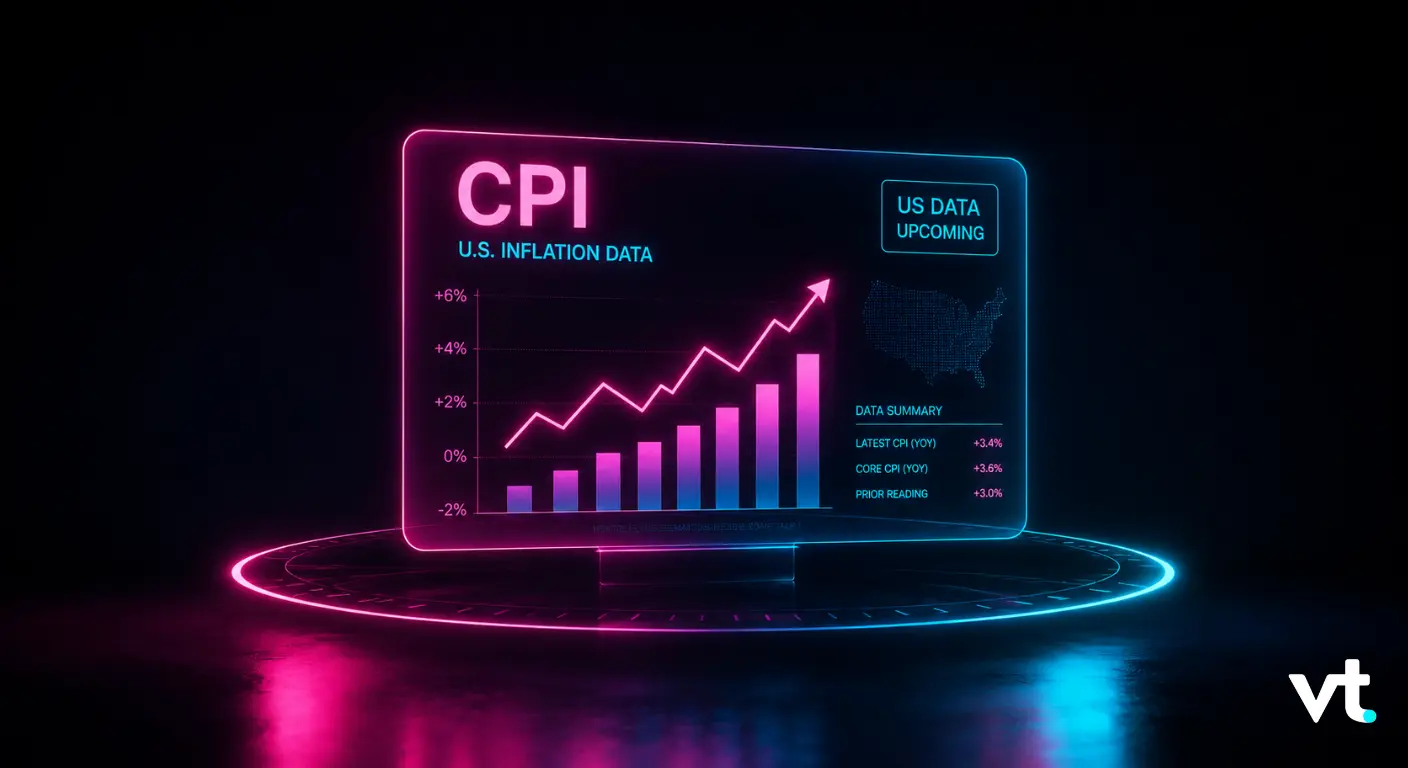
While geopolitical headlines remain the immediate focus, economic data could quickly become the dominant market driver. US Consumer Price Index figures are expected to show headline inflation easing to 3.80% from 4.20%, while Core CPI is forecast to edge down to 2.80% from 2.90%. The results will influence expectations for Federal Reserve policy alongside comments from policymakers later in the week.
Key Symbols to Watch
USDX | XAUUSD | EURUSD | SP500 | USOIL
Upcoming Events
| Date | Currency | Event | Forecast | Previous | Analyst Remarks |
| 14 Jul | USD | Core CPI y/y | 2.80% | 2.90% | Core inflation remains one of the Fed’s preferred measures and could influence rate expectations. |
| 14 Jul | USD | CPI y/y | 3.80% | 4.20% | Softer inflation could reduce pressure on the Federal Reserve, while a stronger reading may support the US dollar. |
| 14 Jul | USD | Fed Chairman Warsh Testifies | – | – | Traders will monitor comments for any changes in the inflation and policy outlook. |
| 15 Jul | USD | Core PPI m/m | 0.30% | 0.40% | The softer Core PPI reading may reduce inflation concerns and shape expectations for the Fed’s future policy path. |
| 15 Jul | CAD | Overnight Rate | 2.25% | 2.25% | Any change in policy guidance could drive volatility in the Canadian dollar. |
| 16 Jul | GBP | GDP m/m | 0.10% | -0.10% | GDP growth exceeded expectations, signalling resilience in the UK economy and potentially supporting GBP strength. |
For a full view of upcoming economic events, check out VT Markets’ Economic Calendar.
Key Movements of The Week
USDX
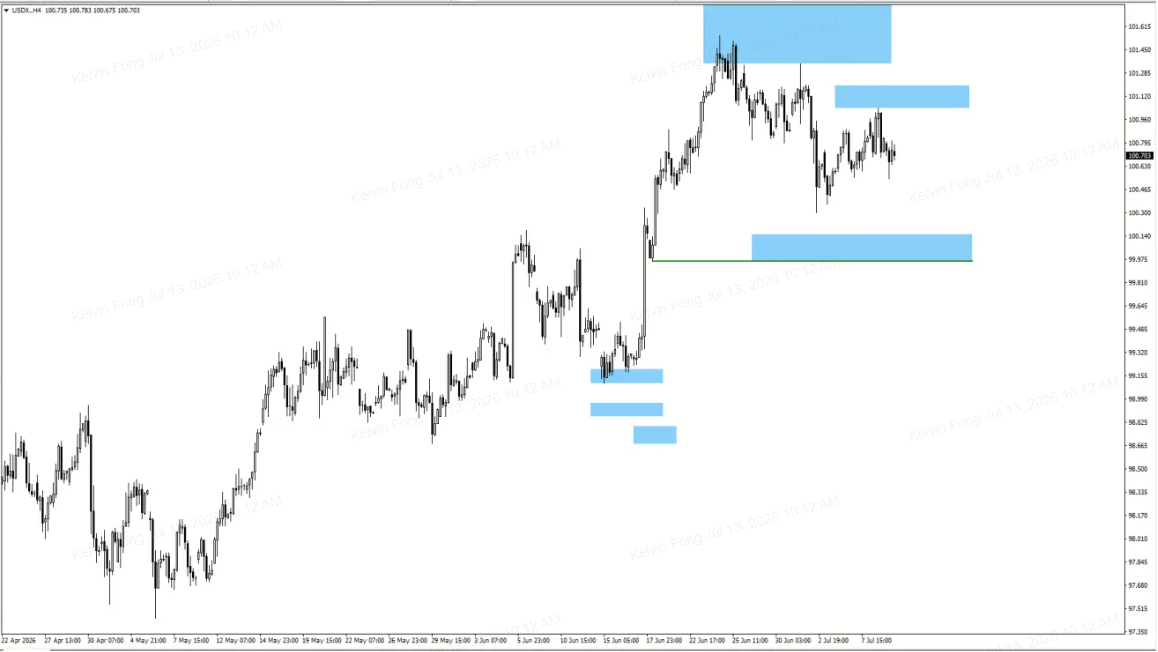
- The US Dollar Index rejected resistance near 101.15, although selling pressure eased into Friday’s session.
- Price action will focus on 100.90 and 101.15 if momentum improves, while 100.05 remains the key support level.
- A stronger CPI reading could encourage buyers to challenge resistance once again.
EURUSD
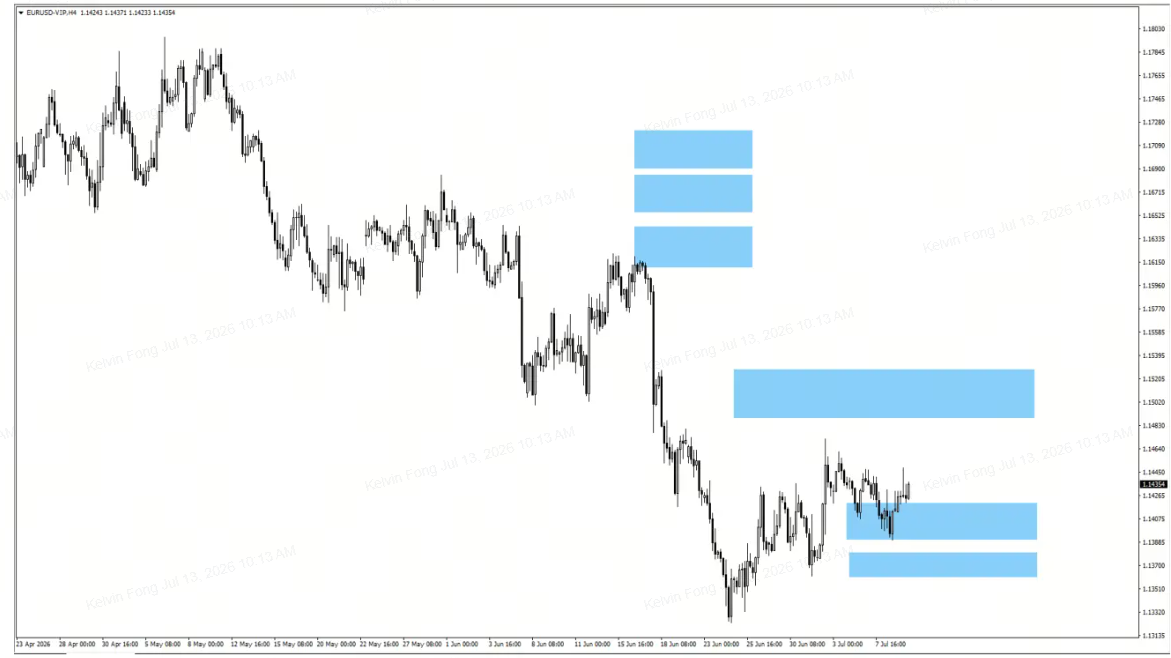
- EURUSD recovered from the 1.1410 support area but upside momentum remained limited.
- Immediate support sits near 1.1380, while 1.1510 remains an area where sellers could re-enter.
- Dollar strength following US inflation data could determine whether the pair extends lower or resumes its recovery.
USOIL
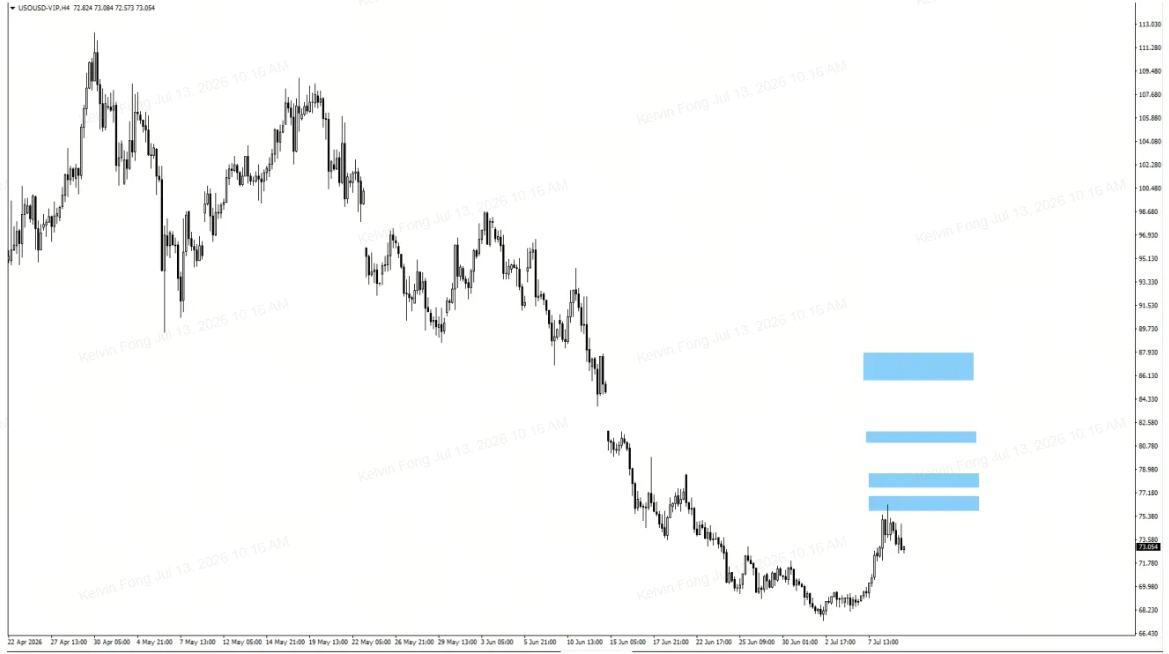
- Crude oil continued easing from the 75.75 resistance zone despite ongoing geopolitical developments.
- A move back towards 78.10 could signal renewed buying interest if supply concerns increase.
- Geopolitical headlines may outweigh technical levels should tensions escalate further.
XAUUSD (Gold)
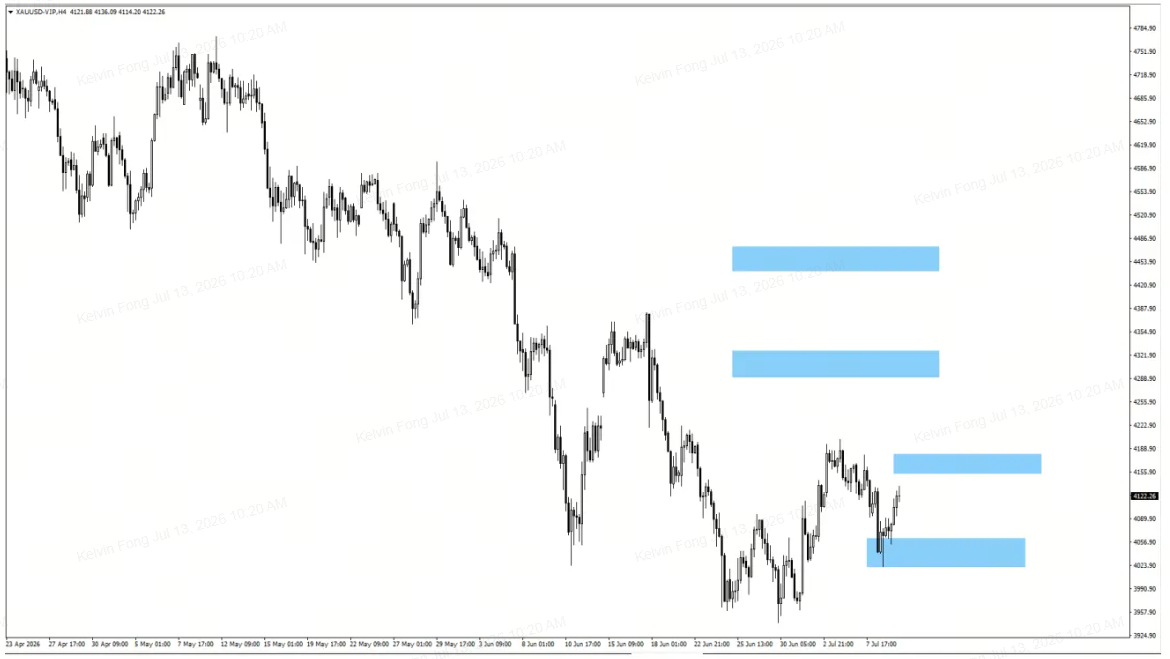
- Gold continued moving higher as investors monitored geopolitical developments and inflation expectations.
- Technical resistance is located around 4155, where consolidation may determine the next directional move.
- Holding above recent support could encourage another attempt to push higher if safe-haven demand increases.
SP500
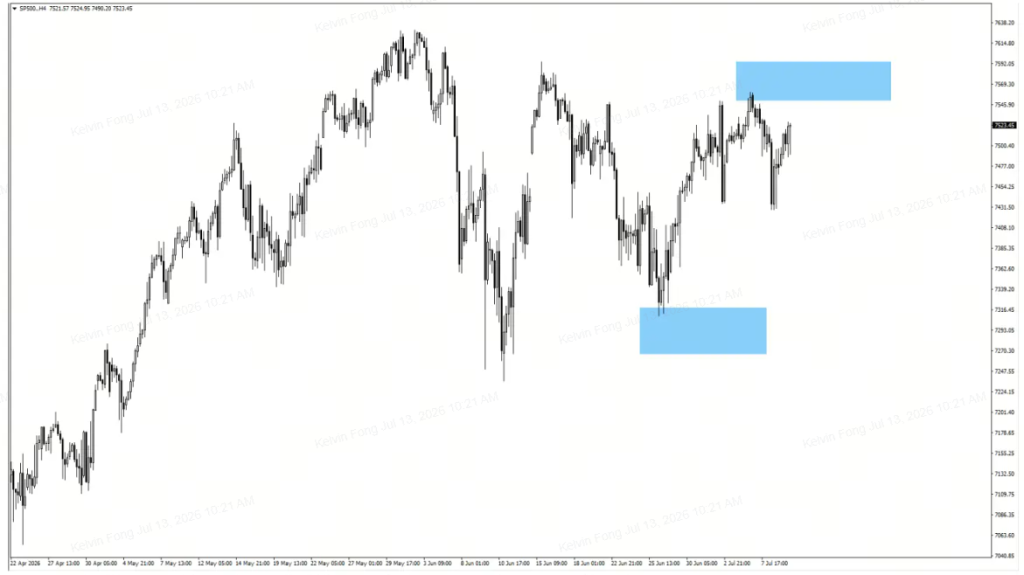
- The S&P 500 remained resilient despite renewed geopolitical uncertainty.
- 7594 remains the key technical level to monitor during the coming week.
- A sustained close above resistance could attract additional buying interest, while stronger inflation or higher oil prices may weigh on sentiment.
Bottom Line
Markets begin the week balancing geopolitical uncertainty against inflation expectations, with crude oil acting as the leading indicator of risk sentiment. Whether recent developments evolve into a broader market event will depend largely on the resilience of energy prices, the reaction across safe-haven assets and the latest US inflation data. Traders should closely monitor US CPI, comments from Federal Reserve officials and developments surrounding Middle East shipping routes, as these factors are likely to shape price action across commodities, currencies and global equity markets throughout the week.
Create a live VT Markets account today to access our platform features, including market insights and educational content.
FAQs
What are the primary factors driving global financial markets this week?
Markets are balancing resurfacing geopolitical tensions involving Iran against highly anticipated US inflation data.
What are the market forecasts for the upcoming US CPI data?
Headline CPI is expected to cool down to 3.80% (from 4.20%), while Core CPI is projected to edge down to 2.80% (from 2.90%).
Why is crude oil leading the market’s response to geopolitical risks?
Oil serves as the immediate barometer because potential disruptions near the Strait of Hormuz directly impact near-term crude supply, lifting freight and insurance expenses.
Why has Gold’s reaction remained relatively restrained despite uncertainty?
Safe-haven demand is being offset by a firm US Dollar and elevated Treasury yields, which increase the opportunity cost of holding non-yielding assets.
What three market scenarios should traders watch out for?
A contained escalation where equities remain resilient, an energy-driven inflation shock that pressures central banks, or a broader risk-off environment where gold and the USD surge while equities sell off.
Start trading now — click here to create your real VT Markets account.








